30+ Years
of Medical Experience

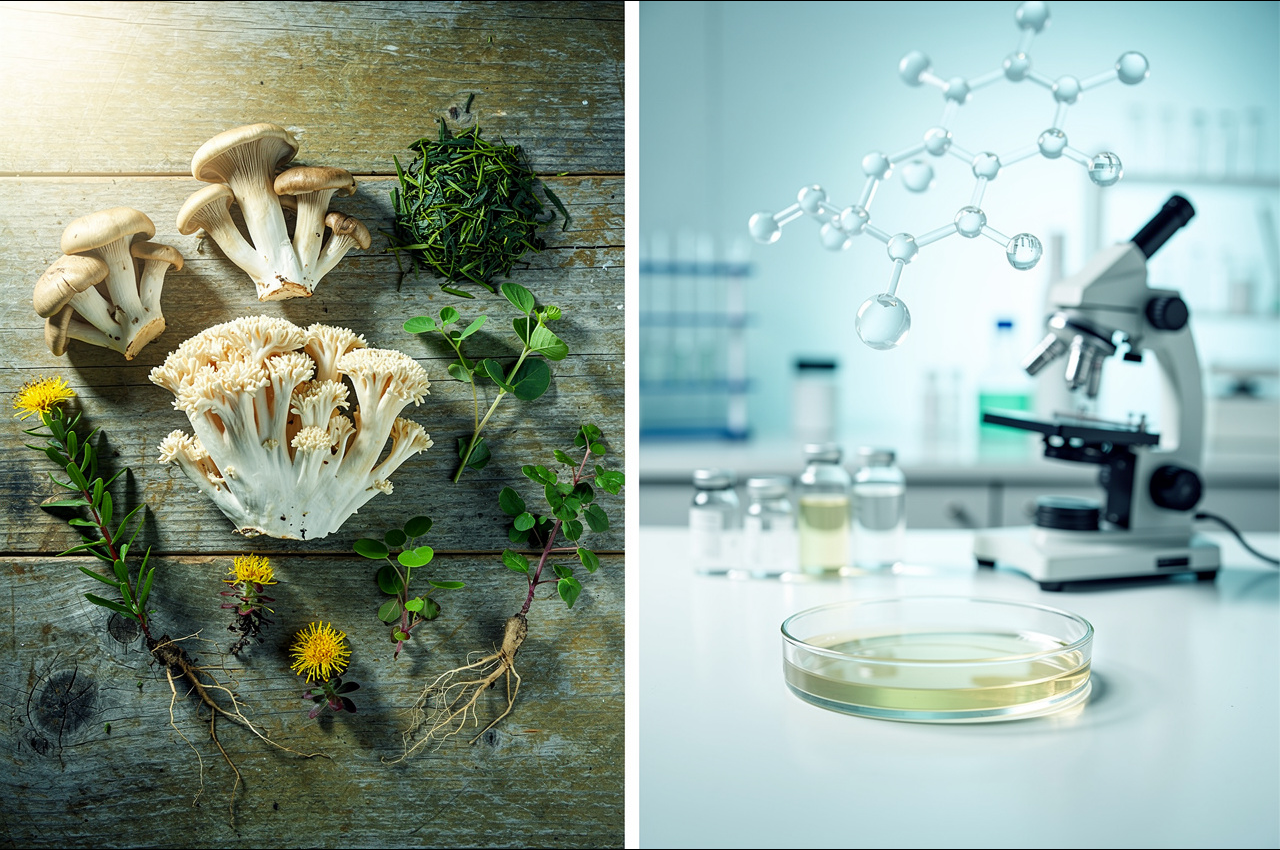
The supplement aisle is crowded with bottles that promise to “detox,” so how do you know which ones do anything at all? The honest answer is that supplements for detox pathways are not cleanses; they are supportive nutrients for systems your body already runs. This guide maps those supplement types to the five pathways they touch, with an evidence rating for each.
Here, “detox” means your body’s own metabolic work, handled continuously by the liver, kidneys, gut, bile, lymph and skin, not a commercial cleanse. If you have wondered what supplements support natural detoxification, the short version is that some have solid support, some modest, and some almost none; see detox versus cleansing for the terminology.
Your body detoxifies on its own, every hour of every day, through a set of specific systems. NCCIH puts it plainly: a 2015 review found no compelling research supporting detox diets for eliminating toxins from the body (NCCIH).
This article organizes supplements around the five pathways that do that work:
Nutrients can support these systems, but no supplement removes toxins on its own. Johns Hopkins Medicine makes the same point: the liver detoxifies continuously, and a cleanse cannot undo damage already done (Johns Hopkins Medicine). The deeper physiology lives in how your body actually cleanses itself.
Think of the map in five rows: liver, kidney, gut, lymph and skin. The liver pathway leans on co-factors for its enzyme systems, especially glutathione support. The kidney pathway is mostly about hydration rather than pills.
The gut pathway is where supplements have their strongest support, through fiber and probiotics. The lymph pathway is driven by movement, and the skin pathway is real but minor.
That is the logic behind supplements for detox pathways: match the nutrient to the system, then ask how strong the evidence is.
The liver processes substances in two steps. Phase I, largely driven by cytochrome P450 enzymes, prepares a compound for handling. Phase II, called conjugation, attaches a molecule to it so the body can excrete it.
Supplements in this category supply the co-factors those steps need.
Some intermediates from phase I can be more reactive than the starting compound, which is why more is not better. Nutrients act biphasically and dose-dependently (Minich, 2015). Selenium shows the co-factor role, since it is built into selenoproteins including glutathione peroxidases that protect cells from oxidative damage (NIH Office of Dietary Supplements).
Filtration means the kidneys straining waste out of the blood and sending it out in urine. Drainage describes the lymph network, which carries fluid and cellular waste toward lymph nodes and has no pump of its own. Elimination is the exit step: the gut and bile carry processed waste out in stool.
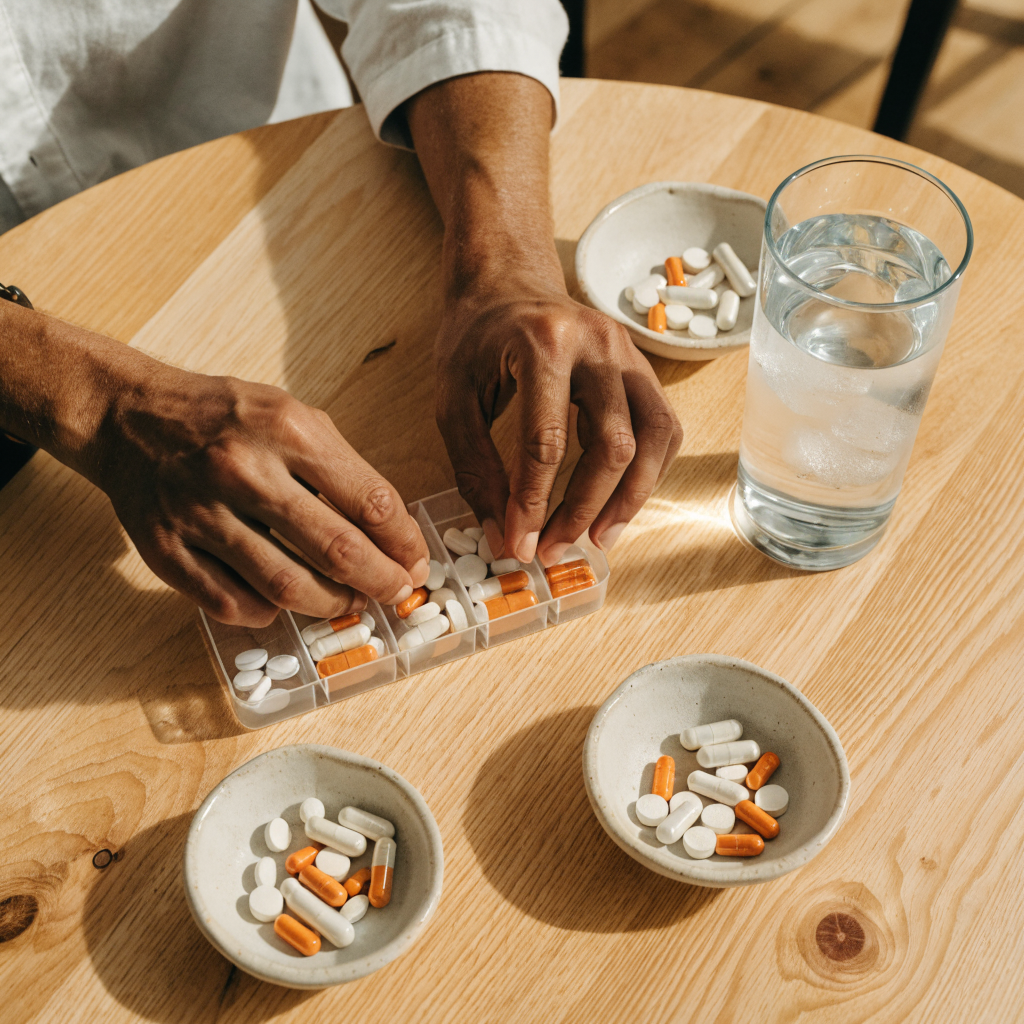
The liver is the main processing center, so it attracts the most supplement attention. That attention splits in two: nutrients with reasonable human evidence, and ones that are mostly hope dressed up as proof.
Silymarin is the main active constituent of milk thistle extract and the best-known herbal supplement for liver support. For milk thistle liver supplement benefits, the rating is mixed: NCCIH reports that clinical trials for liver disease have been conflicting or too limited to draw firm conclusions, and that two NCCIH-funded trials found no benefit (NCCIH).
It is generally well tolerated by mouth, though digestive side effects are possible, and product quality and contamination are legitimate concerns (NCCIH).
N-acetylcysteine, usually shortened to NAC, works mainly by raising intracellular glutathione, the body’s master antioxidant and a key player in phase II conjugation (Antioxidants, 2021 review). Its one clinically established use is acetaminophen overdose, where it is FDA-approved and on the World Health Organization’s essential medicines list (Antioxidants, 2021 review).
Outside that setting, the NAC supplement glutathione benefits conversation is about supporting antioxidant capacity rather than treating disease. Two related precursors, selenium and glycine, are named here without dosing guidance.
Selenium is a constituent of 25 selenoproteins, including the glutathione peroxidases and thioredoxin reductases that defend cells against oxidative damage (NIH Office of Dietary Supplements), which makes it a genuine co-factor rather than a trendy add-on.
Cruciferous vegetables and compounds from them, including sulforaphane, can modulate phase II activity and Nrf2 signaling. The catch is that most of that evidence is mechanistic rather than clinical and favors whole foods over capsules (Minich, 2015), which gives supplements for detoxing liver a modest rating.
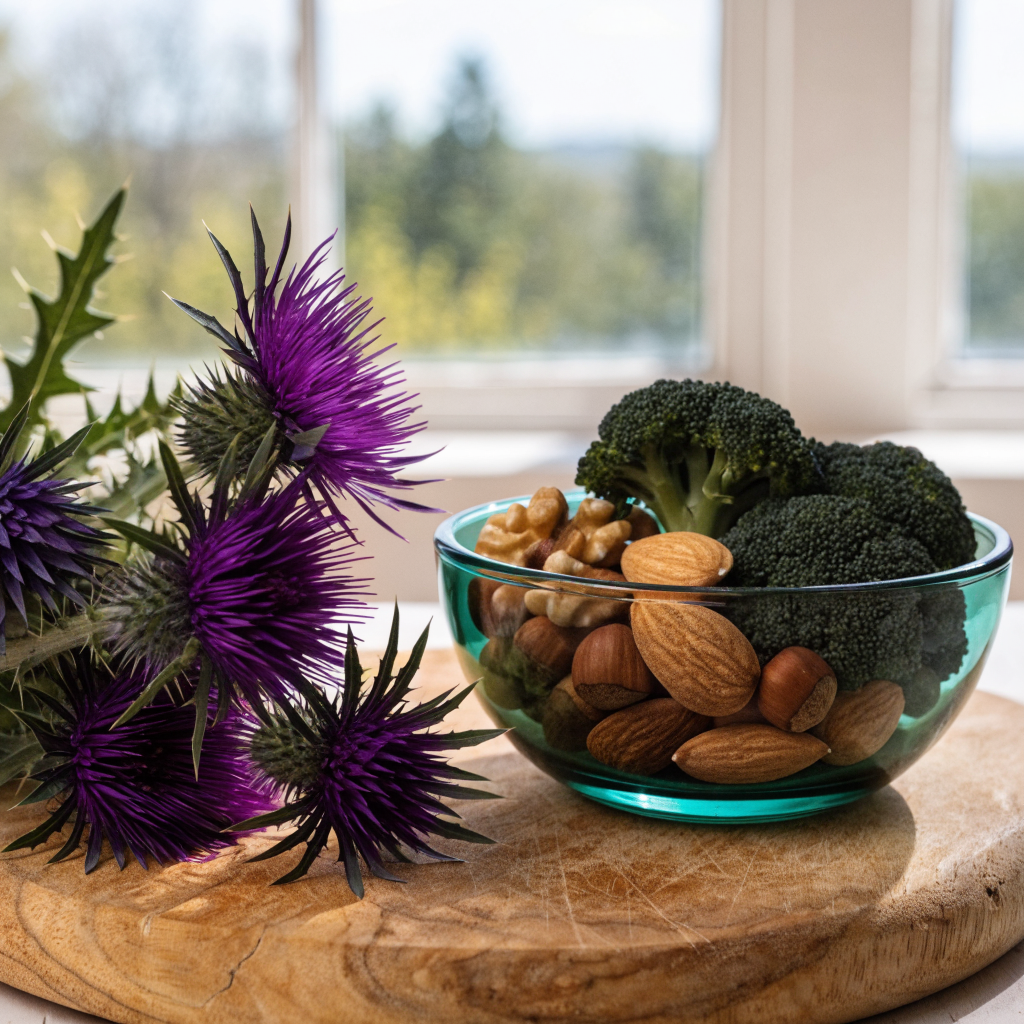
Beyond supplements, these tips for supporting your liver cover the daily habits that matter more than any bottle.
The kidneys filter your blood continuously and excrete the waste in urine. On this pathway, the most evidence-backed support is boring in the best way: stay hydrated, and avoid what stresses the kidneys. Our hydration habits guide matters more than any capsule here.
Now the honest rating for products marketed as “kidney detox” or “kidney cleanse”: low. The National Kidney Foundation advises avoiding teas and supplements sold with those claims, since evidence is limited and some ingredients can interact with medications or even damage kidneys (National Kidney Foundation).
Nutrients such as magnesium, omega-3 and vitamin C support general health in a body with normally functioning kidneys, so the framing matters: nutritional, not “renal cleanse.” Anyone with kidney disease, diabetes or high blood pressure, or medication for those conditions, should check with a clinician before adding supplements (National Kidney Foundation).
Most of what your body marks for removal leaves through the gut, so this is the pathway where supplements have some of the clearest support and where you are least likely to waste your money.
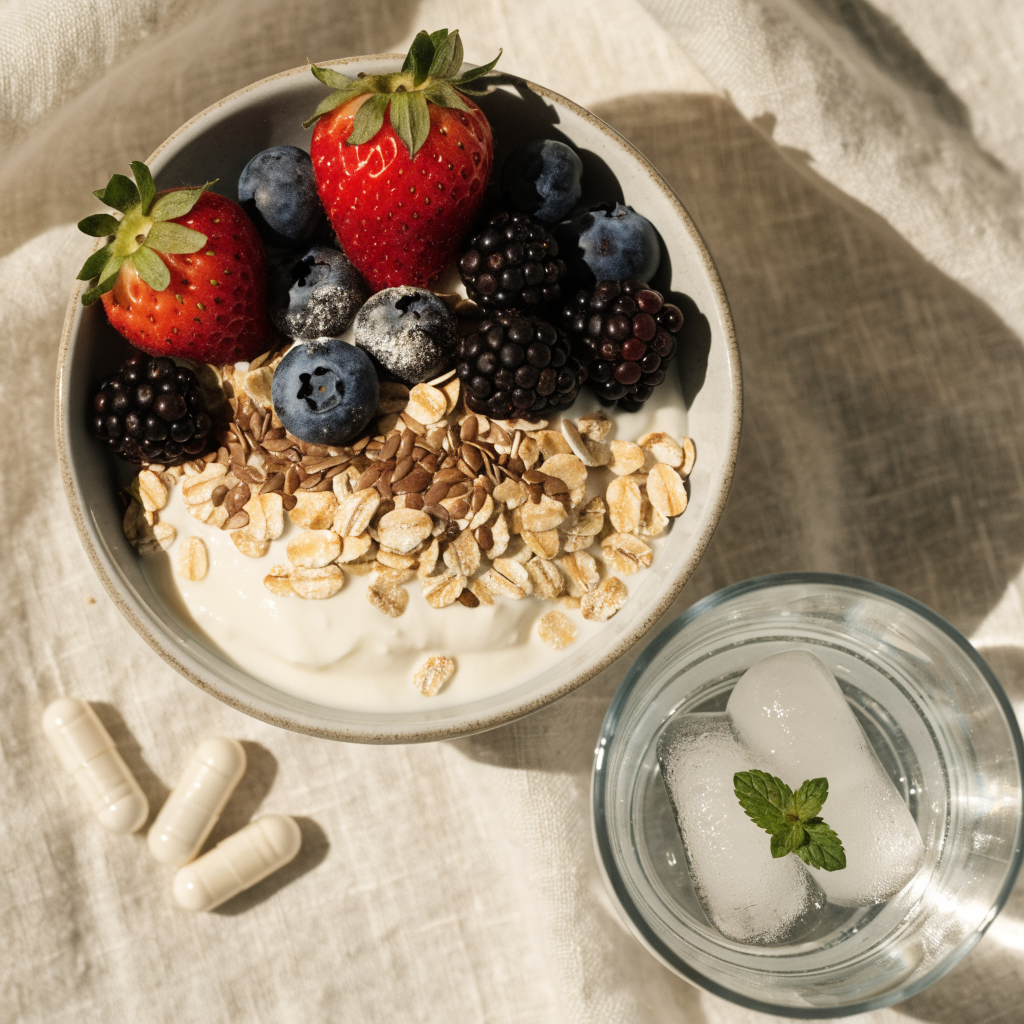
Soluble and insoluble fiber bulk up stool, bind waste and keep bowel movements regular, which is the elimination pathway doing its job in real time. For fiber supplement toxin elimination, the rating is moderate to strong for regularity, with no claim that fiber flushes toxins.
Food sources come first; see our foods that support your detox process and gut health for detox guides. When diet falls short, a fiber supplement can fill the gap, though it is wise to start low and go slow to avoid bloating.
Probiotics are live microorganisms intended to provide a health benefit, and balanced gut flora supports regularity while influencing the gut-immune and gut-skin axes (NCCIH). The limits matter: effects are strain-specific, probiotics do not require FDA approval before sale, and labels may make structure or function claims but may not claim to reduce disease risk (NCCIH). See our guide to probiotics and digestive function for details.
Bile is a major exit route: processed waste leaves the liver in bile and is excreted through the gut. Substances traditionally paired with bile support, such as artichoke and dandelion, are herbal therapeutics with the usual interaction cautions, which our herbal teas piece covers.
Magnesium deserves a mention too, since it supports muscle function (NIH Office of Dietary Supplements) and bowel regularity. It is general support, not a cleanse, and one more reason to read labels rather than trust a “detox” badge. See also regularity and elimination for the habit side.
The lymph system carries fluid and cellular waste toward lymph nodes, and it has one quirk that changes everything: no pump. Movement drives lymphatic flow, which makes exercise the evidence-backed support here.
So how do lymphatic drainage supplements rate? Weak for supplements, moderate for movement. Movement supports lymphatic flow better than anything in a capsule.
Skin is next. Sweat and sebum are genuine but minor elimination routes, and sweat does carry some substances out.
Still, the skin is small next to the liver and kidneys, so “sweating out toxins” runs ahead of the evidence. Products marketed as supplements for healthy skin detox have limited support.
What does have modest support is different: nutrients that help skin barrier function and healing, such as vitamin C, zinc and omega-3. The gut-skin axis is part of that story, which is why skin issues often travel alongside digestive ones. For habits, see everyday skin detox habits, and read the gut-skin connection for the link.

So, do detox supplements work? For commercial detox teas and cleanse kits, NCCIH reports no compelling research evidence that they remove toxins, and some can be harmful (NCCIH). Regulators have acted too: the FDA and FTC have warned companies selling detox products with hidden ingredients and unsupported claims (FDA and FTC).
Activated charcoal shows up in “daily detox” marketing, but it is not a routine daily supplement, and it can interfere with medications.
Then there are proprietary blends. Opaque labels hide how much of each ingredient is in the bottle, and the FTC requires competent and reliable scientific evidence for health claims, which many blends cannot meet (FTC Health Products Compliance Guidance).
If a label will not tell you the amounts, walk away. Related reading: the truth about detox diets and weight loss claims.
One fact surprises most shoppers: dietary supplements sold in the United States do not require FDA approval before going to market (NCCIH). Advertising must still be truthful, and the FTC expects health claims backed by competent and reliable scientific evidence (FTC).
A few groups deserve particular care:
Products intended to cure, treat, mitigate or prevent disease are unapproved new drugs even when labeled as dietary supplements (FDA and FTC). This article stays informational, and no supplement here is risk free. Talk with your health care provider before adding any supplement, especially if you have a medical condition or take medication.
For the bigger picture, our piece on long-term health framing for natural detox is the right place to start.
Once you know which pathway you support, selection gets simpler. Four habits cover most of the risk:
Remember too that not every supplement earns its hype, and that needs differ by condition, which is why separate guides exist for autoimmune health and men’s health. A pathway map is a starting point, not a prescription.
If a past detox left you disappointed, you are not alone, and the honest version of this process is more sustainable.
Start with the evidence: build on fiber and regular movement, choose third-party tested supplements, and talk to your provider. Browse the full Detoxification library for the next step, along with safe detox habits at home. You do not need a dramatic cleanse; evidence-based choices move the needle.