30+ Years
of Medical Experience

If you have ever brushed off persistent fatigue, frequent headaches, or unexplained joint stiffness as just a normal part of getting older, you are not alone. Millions of people write off these subtle symptoms as stress, lack of sleep, or a busy lifestyle, never stopping to consider that they might be early signs of toxic buildup in the body. The Centers for Disease Control and Prevention reports that the average adult has over 200 different synthetic chemicals in their bloodstream at any given time, many of which are linked to increased risk of chronic disease. Over time, this accumulated toxic burden does not just cause minor discomfort. It plays a central, underrecognized role in the development of dozens of chronic illnesses, from type 2 diabetes and heart disease to autoimmune conditions and neurodegenerative disorders. The good news is that supporting your body’s natural detoxification processes is one of the most powerful, accessible steps you can take to reduce your risk of these life-altering conditions, and it does not require expensive cleanses or extreme fad diets. In this guide, we will break down exactly how detoxification works, why it is critical for chronic illness prevention, and simple, evidence-based strategies you can implement today to keep your body’s detox systems running smoothly for years to come.
Contrary to what many wellness fads would have you believe, detoxification is not just about drinking celery juice for a week or buying expensive detox teas. It is the name for the constant, 24/7 process your body uses to filter out and eliminate harmful substances from your system. Your liver is the star of this process, working in two distinct phases to break down fat-soluble toxins into water-soluble compounds that can be excreted. Your kidneys filter waste and toxins from your blood to be removed via urine, your lungs expel volatile toxins and gases, your skin sweats out heavy metals and other impurities, and your lymphatic system carries cellular waste and toxins away from tissues to be processed by the liver and kidneys. These systems evolved to handle the toxins our ancestors encountered from natural sources like plants, bacteria, and environmental exposure, but modern life exposes us to far more synthetic toxins than our bodies were designed to handle. Pesticides, air pollution, processed food additives, and chemicals in household products add a constant stream of new substances for your detox systems to process, and over time, this overload can cause these systems to slow down or fail, leading to toxic buildup.
Effective detoxification relies on a steady supply of specific nutrients to function properly. Glutathione, often called the body’s master antioxidant, is critical for both phase 1 and phase 2 liver detoxification, as it binds to toxins to make them water-soluble for excretion. Sulfur compounds, found in foods like garlic, onions, and cruciferous vegetables, are also essential for phase 2 detox, as they help link toxins to glutathione for removal. Without adequate intake of these nutrients, your detox systems cannot keep up with daily toxic exposure, leading to gradual buildup of harmful substances in your fat cells, organs, and bloodstream.
One of the most dangerous effects of toxic overload is the triggering of chronic, low-grade inflammation throughout the body. When toxins accumulate, your immune system identifies them as foreign invaders and releases inflammatory cytokines to try to neutralize them. While acute inflammation is a normal, helpful response to injury or infection, chronic low-grade inflammation damages healthy tissues over time, and is linked to nearly every major chronic illness. It is the core driver of atherosclerosis, the buildup of plaque in arteries that leads to heart attacks and strokes, as well as insulin resistance, the precursor to type 2 diabetes. Studies have also found that people with higher levels of environmental toxins like BPA and phthalates have significantly higher levels of C-reactive protein, a key marker of inflammation in the body. Supporting your detox systems to eliminate these toxins reduces the inflammatory trigger, lowering your risk of these life-altering conditions.
Every day, your body is exposed to free radicals from pollution, processed foods, radiation, and toxins. While your body produces its own antioxidants to neutralize these, high toxin exposure overwhelms that system, leading to oxidative stress, a state where free radicals outnumber antioxidants and damage cell membranes, DNA, and cellular proteins. This damage is linked to the development of many cancers, as well as neurodegenerative conditions like Alzheimer’s and Parkinson’s disease, as neurons are particularly vulnerable to oxidative stress. Detoxification helps reduce the total toxic load on your body, lowering the number of free radicals produced and reducing oxidative damage to your cells over time.
Your gut microbiome, the community of trillions of beneficial bacteria living in your digestive tract, plays a critical role in detoxification, as it helps break down toxins and prevents them from being reabsorbed into the bloodstream. Many environmental toxins, including pesticides and artificial sweeteners, kill off beneficial gut bacteria and allow harmful, toxin-producing bacteria to overgrow. This imbalance, called dysbiosis, damages the lining of the intestines, leading to leaky gut syndrome, a condition where tiny gaps form between the cells of the intestinal wall. These gaps allow undigested food particles, bacterial toxins, and environmental toxins to pass directly into the bloodstream, triggering a constant, overactive immune response. Over time, this can lead to the development of autoimmune conditions, where the immune system mistakenly attacks the body’s own healthy tissues, as well as chronic digestive issues like irritable bowel syndrome and inflammatory bowel disease. Supporting your detox systems and gut health reduces the risk of this cascade of damage.
Many of the toxins that overload your detox systems come from sources you might not even think about. Popular cleaning products often contain volatile organic compounds, or VOCs, which are released into the air when used and can cause respiratory irritation, headaches, and even long-term liver damage with repeated exposure. Personal care products like shampoo, body wash, and lotions often contain parabens and phthalates, which are endocrine disruptors, meaning they interfere with the body’s hormone systems and have been linked to increased risk of breast cancer, reproductive issues, and thyroid disorders. Even furniture and carpets often contain flame retardants, chemicals designed to slow burning that are linked to neurological damage and hormone disruption, and which are released into the air over time as the products break down. Even products marketed as “natural” or “fragrance-free” can contain hidden toxic ingredients, as personal care and cleaning product labeling laws in many countries are far less strict than food labeling laws.
The modern Western diet is one of the largest sources of toxic exposure for most people. Artificial preservatives like BHA and BHT, found in everything from breakfast cereal to snack bars, are classified as possible human carcinogens by the International Agency for Research on Cancer. High fructose corn syrup, a common additive in sugary drinks and processed snacks, is processed almost entirely by the liver, and excessive consumption leads to fatty liver disease, a condition that severely impairs the liver’s ability to perform detoxification functions. Pesticide residues on conventionally grown produce also add to the toxic load, as many pesticides are designed to target the nervous systems of pests, and can cause similar damage to human cells with long-term exposure. Even packaging for processed foods can leach harmful chemicals like BPA into the food inside, adding to your overall toxic burden.
Even if you eat a perfect diet and use only non-toxic household products, you cannot avoid exposure to air and water pollutants completely. Tap water in many regions contains trace amounts of heavy metals like lead, arsenic, and cadmium, which accumulate in the body over time and damage the kidneys, liver, and nervous system. Microplastics, tiny plastic particles less than 5 millimeters in size, have been found in drinking water, seafood, and even table salt, and recent studies have found microplastics in human blood and lung tissue, with unknown long-term health effects. Particulate matter from vehicle exhaust and industrial emissions is linked to increased risk of lung cancer, heart disease, and respiratory illness, even at levels considered safe by regulatory agencies. For people living in urban areas or near industrial sites, this daily exposure can add a significant strain to the body’s detox systems over time.
The early signs that your detox systems are struggling are often mild and easy to dismiss. You might brush off persistent brain fog as just being tired from a busy work week, or occasional skin breakouts as a reaction to a new skincare product. But if these symptoms persist for weeks or months without an obvious cause, they may be your body’s way of telling you that your detox systems are overwhelmed. Common early warning signs include persistent brain fog and difficulty concentrating, frequent mild headaches, low energy even after a full night’s sleep, occasional skin rashes or acne that does not respond to over-the-counter treatments, mild digestive issues like bloating or constipation, and difficulty losing weight even with a healthy diet and regular exercise. These symptoms are often the first sign that toxin buildup is starting to interfere with normal bodily function.
If toxic overload is left unaddressed, it can lead to far more serious, life-altering health issues. Chronic joint pain and muscle aches may be a sign that toxins are accumulating in connective tissue, while frequent colds and infections indicate that the immune system is overworked and unable to fight off pathogens effectively. Hormonal imbalances from endocrine-disrupting toxins can lead to infertility, irregular menstrual cycles, and increased risk of hormone-related cancers. Unexplained weight gain, even with a healthy diet and regular exercise, can be a sign that the liver is too clogged with toxins to metabolize fat efficiently, a condition often called “toxic fat”. Severe symptoms can also include neurological issues like tingling in the extremities, chronic fatigue that makes it difficult to perform daily tasks, and mood disorders like anxiety and depression that do not respond to standard treatment. If you are experiencing these symptoms, it is important to speak with a healthcare provider to rule out other causes and address potential toxic overload.
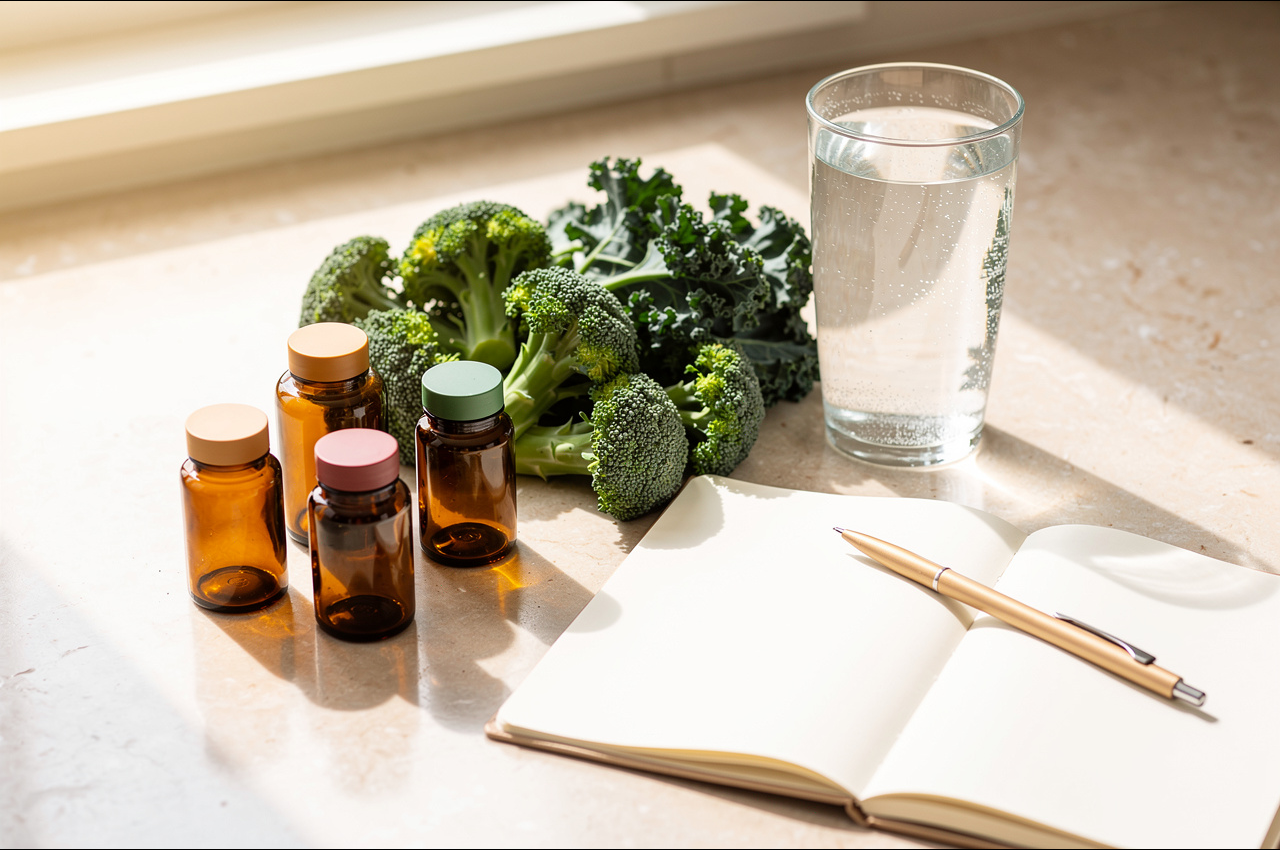
One of the most effective ways to support your body’s natural detoxification is to eat a diet rich in nutrients that fuel your liver, kidneys, and gut. Cruciferous vegetables like broccoli, cauliflower, kale, and Brussels sprouts contain a compound called sulforaphane, which has been shown in multiple studies to boost phase 2 liver detoxification by up to 80 percent, helping the body process and excrete toxins more efficiently. Beets contain betalains, compounds that support liver cell regeneration and reduce inflammation in the liver, while garlic and onions contain sulfur compounds that are critical for phase 2 detoxification, as they help bind toxins to glutathione for excretion. Fatty fish like salmon, mackerel, and sardines are rich in omega-3 fatty acids, which reduce inflammation and support the health of cell membranes, making it easier for the body to process and eliminate toxins. Aim to eat at least one serving of cruciferous vegetables daily, and incorporate beets, garlic, and fatty fish into your diet a few times a week for optimal detox support.
Foods rich in sulfur, such as garlic, onions, and eggs, are particularly important for phase 2 detoxification, as sulfur is a key component of glutathione, the molecule that binds to toxins to make them water-soluble for excretion. Leafy greens like spinach and Swiss chard are high in chlorophyll, a compound that has been shown to bind to heavy metals and other toxins in the gut, preventing them from being reabsorbed into the bloodstream. Including these foods in your daily diet can significantly boost your body’s ability to process and eliminate toxins efficiently, reducing your overall toxic burden and lowering your risk of chronic illness.
For people with high toxin exposure or pre-existing conditions that impair detox function, targeted supplementation can provide extra support for the body’s natural processes. Milk thistle, a herb used for thousands of years to support liver health, contains a compound called silymarin that protects liver cells from damage and boosts the liver’s ability to regenerate damaged tissue. N-acetylcysteine, or NAC, is a precursor to glutathione, the body’s master antioxidant that is critical for both phase 1 and phase 2 detoxification. NAC supplementation has been shown to increase glutathione levels in the body, reduce oxidative stress, and support lung and liver health, especially in people with high toxin exposure from pollution or smoking. Dandelion root tea is a gentle, natural diuretic that supports kidney function by increasing urine production, helping the body excrete water-soluble toxins more efficiently. It is important to note that while these supplements are generally safe for most people, you should always consult a qualified healthcare provider before starting any new supplement regimen, especially if you are pregnant, breastfeeding, or taking prescription medications.
Beyond diet and supplementation, small changes to your daily lifestyle can drastically reduce your toxic exposure and support your body’s natural detox processes. Start by switching to non-toxic cleaning and personal care products, which are widely available at most grocery stores and online, and look for products that are free of parabens, phthalates, VOCs, and synthetic fragrances. Invest in a high-quality water filter that removes heavy metals, microplastics, and other contaminants from your tap water, to reduce your exposure to waterborne toxins. Eating organic produce when possible, especially for the “Dirty Dozen” list of produce most likely to contain high pesticide residues, can drastically reduce your intake of harmful pesticides. Regular physical activity is also critical, as it stimulates the lymphatic system, the network of vessels and nodes that carries waste and toxins away from cells and toward the organs of elimination. Unlike the circulatory system, which has the heart to pump blood, the lymphatic system relies on muscle movement to flow, so even 30 minutes of moderate exercise like walking, yoga, or cycling a day can significantly improve lymphatic drainage and reduce toxin buildup.
Sweating through exercise or sauna use is also an effective way to excrete toxins, as studies have found that heavy metals like lead, cadmium, and arsenic are excreted through sweat, reducing the body’s overall toxic burden. Getting 7 to 9 hours of sleep per night is also critical, as the body’s detox processes are most active during deep sleep, when the brain’s glymphatic system, a recently discovered waste clearance system in the brain, flushes out toxins like beta-amyloid, the protein linked to Alzheimer’s disease. Dry brushing, a practice of brushing the skin with a natural bristle brush before showering, can also stimulate lymphatic flow and support toxin excretion through the skin.
People with autoimmune conditions like rheumatoid arthritis, lupus, and Hashimoto’s thyroiditis have overactive immune systems that already react to normal substances as if they are threats. Extreme detox protocols that cause rapid toxin release can trigger immune flares, leading to increased pain, fatigue, and other symptoms. Instead, opt for gentle, gradual detox support that focuses on reducing overall toxin exposure rather than aggressively flushing out toxins. An anti-inflammatory diet that eliminates common trigger foods like gluten, dairy, and processed sugars can reduce gut inflammation and support healthy gut barrier function, reducing the amount of toxins that leak into the bloodstream. Low-dose NAC and glutathione supplementation under the guidance of a healthcare provider can support detox pathways without overwhelming the immune system, and gentle movement like walking, tai chi, or restorative yoga can support lymphatic flow without causing physical stress that triggers flares.
People with type 2 diabetes, non-alcoholic fatty liver disease, and metabolic syndrome already have impaired liver and kidney function, making it even more important to support their detox systems to reduce the risk of further health complications. A low-glycemic, whole-foods diet that eliminates added sugars, refined carbohydrates, and processed foods can reduce the burden on the liver, which is already struggling to process excess glucose and fat. Staying hydrated with filtered water supports kidney function, which is often impaired in people with metabolic disorders, and regular moderate exercise like brisk walking or swimming improves circulation and supports both liver and kidney function. It is critical to work with a healthcare provider to create a personalized detox plan, as people with metabolic disorders may need to avoid certain supplements or foods that could interfere with their medication or worsen their condition.
Extreme juice cleanses that eliminate all solid food for days or weeks are not only ineffective for long-term detox support, they can be actively harmful. Most juice cleanses are extremely low in protein, healthy fats, and fiber, all of which are critical for supporting phase 2 detoxification. Without adequate protein, the liver cannot produce the enzymes needed to process toxins, and without fiber, toxins that are excreted into the bile can be reabsorbed into the bloodstream instead of being eliminated through stool. Juice cleanses also often cause blood sugar spikes and crashes, which can lead to fatigue, irritability, and cravings for unhealthy foods, and long-term use can lead to muscle loss and nutrient deficiencies. Sustainable, whole-foods based approaches are far more effective for long-term detox support.
The idea that you can “undo” months or years of poor diet and high toxin exposure with a 7-day detox is a myth perpetuated by the wellness industry. Toxic buildup happens gradually over time, and reducing it requires consistent, long-term changes to your diet and lifestyle, not a short-term quick fix. While a short-term detox might help you feel more energized temporarily, it will not reduce your risk of chronic illness if you return to your previous habits immediately after. The key to effective detox support is building small, sustainable habits that you can maintain for life, rather than relying on occasional extreme cleanses.
Most over-the-counter detox products, from detox teas to colon cleanses to foot pads, are unregulated by the FDA or other regulatory agencies, and many contain harmful ingredients like laxatives, diuretics, or unknown herbal blends that can cause dehydration, electrolyte imbalances, and even damage to the intestines or kidneys. There is no scientific evidence that these products improve the body’s natural detoxification processes, and many can actually do more harm than good. The best investments for detox support are high-quality, whole foods, a high-performance water filter that removes heavy metals and microplastics, non-toxic cleaning and personal care products, and targeted supplements recommended by a qualified healthcare provider based on your individual needs, rather than random fad products marketed as quick fixes.
Consistently supporting your body’s detox systems has far-reaching benefits that extend far beyond reduced risk of chronic illness. People who prioritize detox support as part of their daily routine often report improved energy levels, better cognitive function, healthier skin, improved digestion, and better sleep quality. Over the long term, reducing toxic burden also supports healthy hormone balance, which can improve fertility, reduce symptoms of PMS and menopause, and lower risk of hormone-related cancers. By reducing the daily strain on your liver, kidneys, and other detox organs, you can extend their function well into old age, reducing your risk of age-related chronic illnesses and improving your overall quality of life as you age. Unlike fad diets and quick fixes, consistent detox support is a lifelong practice that pays dividends for decades to come, helping you feel your best and avoid the chronic illnesses that affect so many people as they get older.
Prioritizing your body’s natural detoxification processes is not a trendy wellness fad. It is a foundational, evidence-based strategy for reducing your risk of chronic illness and improving your overall quality of life for decades to come. Small, consistent changes to your diet, lifestyle, and daily habits add up to massive long-term benefits, far more than any short-term cleanse or detox product could ever deliver. If you are struggling with persistent symptoms of toxic overload, have a pre-existing chronic condition, or want personalized guidance on building a sustainable detox plan that works for your unique needs, the friendly staff at Infusion Health is here to help. You can reach out to our team by submitting a message through our CONTACT FORM, sending an email to EMAIL, or calling us directly at +1 (520) 396-4866. A member of our expert team will be in touch shortly to answer your questions, provide personalized recommendations, and help you take the first step toward better health and reduced chronic illness risk.