30+ Years
of Medical Experience

If you have been wondering how to detox your body at home safely, you are not alone. The promise of clearing out toxins and feeling lighter appeals to almost everyone.
The good news is that your body already has powerful detox systems built in. A full body detox at home is a lifestyle reset that supports your body’s natural waste-elimination processes through hydration, whole foods, sleep, and gentle movement.
This guide covers what the evidence actually supports, which popular methods to skip, and the safety red flags that mean it is time to see a clinician.
This article is for informational purposes only and does not replace personalized medical advice. Always consult your healthcare provider before making significant changes to your diet or lifestyle.
The word “detox” gets used loosely in marketing. In medical terms, it refers to your body’s ongoing process of neutralizing and eliminating waste products through the liver, kidneys, digestive system, lungs, and skin. These systems work around the clock, whether or not you follow a special protocol.
A full body detox is not a medical treatment. It is a lifestyle reset that supports your body’s natural systems.
The global detox product market is worth an estimated $51 billion (Kaiser Permanente), yet most products overpromise results they cannot deliver. A 2015 review by the National Institutes of Health found no compelling evidence that detox diets remove toxins beyond what your organs already handle (NCCIH).
That does not mean lifestyle choices do not matter. For a deeper look at the physiology, see our guide to how your body naturally cleanses itself.
Your liver is your body’s primary filtration system. It converts toxins into waste products, cleanses the blood, and metabolizes nutrients and medications (Johns Hopkins Medicine). Your kidneys filter about half a cup of blood every minute, removing waste and excess fluid to produce urine (NIDDK).
Your digestive system, lungs, and skin also play supporting roles in processing and eliminating waste. Here is the honest truth: for a healthy person, these organs do the job without help from special diets, products, or protocols (Cleveland Clinic).
This is not an argument against supporting your lifestyle. It is an argument for realistic expectations.
Understanding how your liver filters waste naturally helps you make better choices about what actually supports it. And it is worth learning the difference between true detox and cleansing products, because the two are not the same.
Most healthy adults can safely make lifestyle adjustments like drinking more water or adding vegetables to their diet. However, certain groups should avoid any form of detox diet or product. If you fall into any of the categories below, talk to a clinician before starting any detox program.
You should consult a clinician first if you are:
Restrictive detox programs such as juice fasts or severe calorie restriction can be dangerous for these groups. Harvard Health reports that kidney failure has been linked to juice and green smoothie cleanses, and even healthy people face risks from extreme protocols done for more than a few days (Harvard Health). Your safety matters more than any wellness trend.
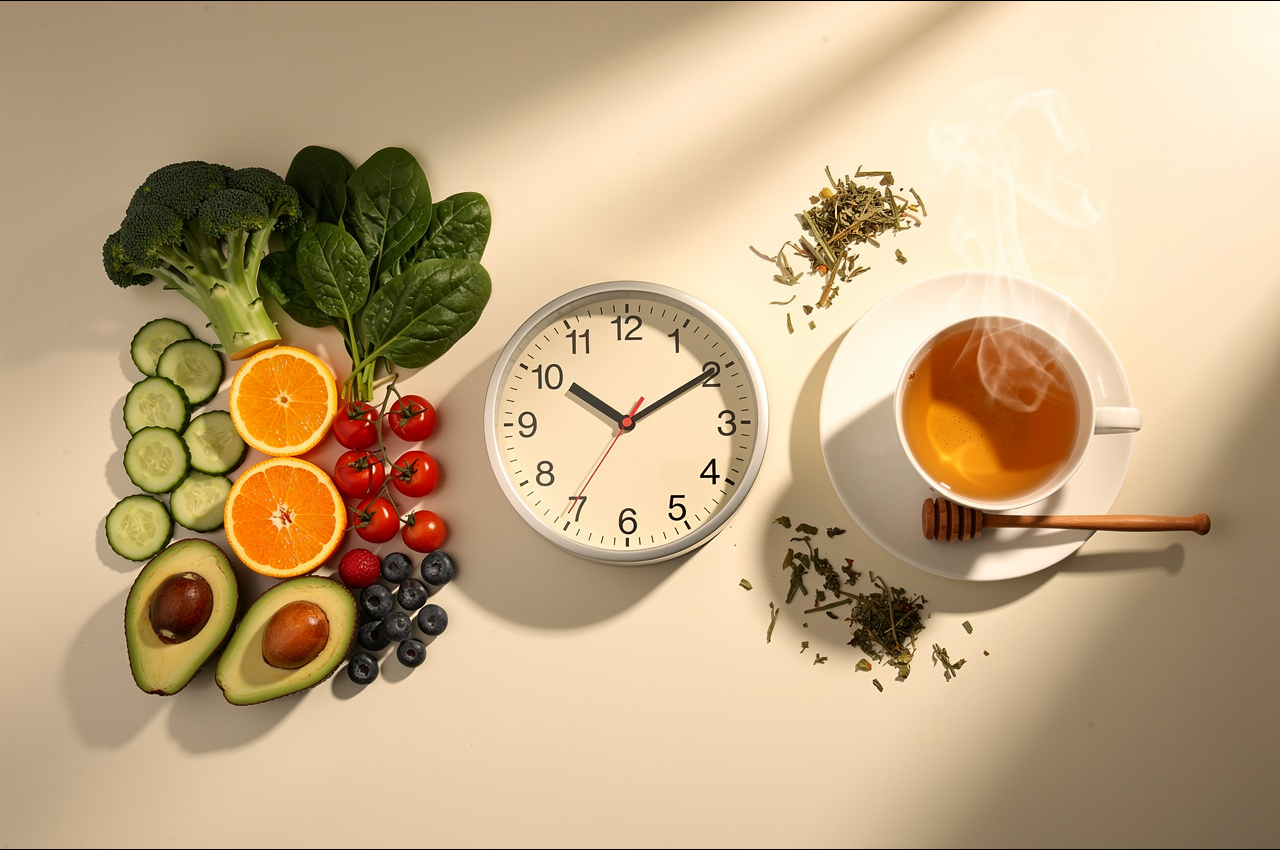
If you are a healthy adult and want to support your body’s natural detoxification, here is what the evidence actually supports. These five pillars are grounded in research, not marketing claims.
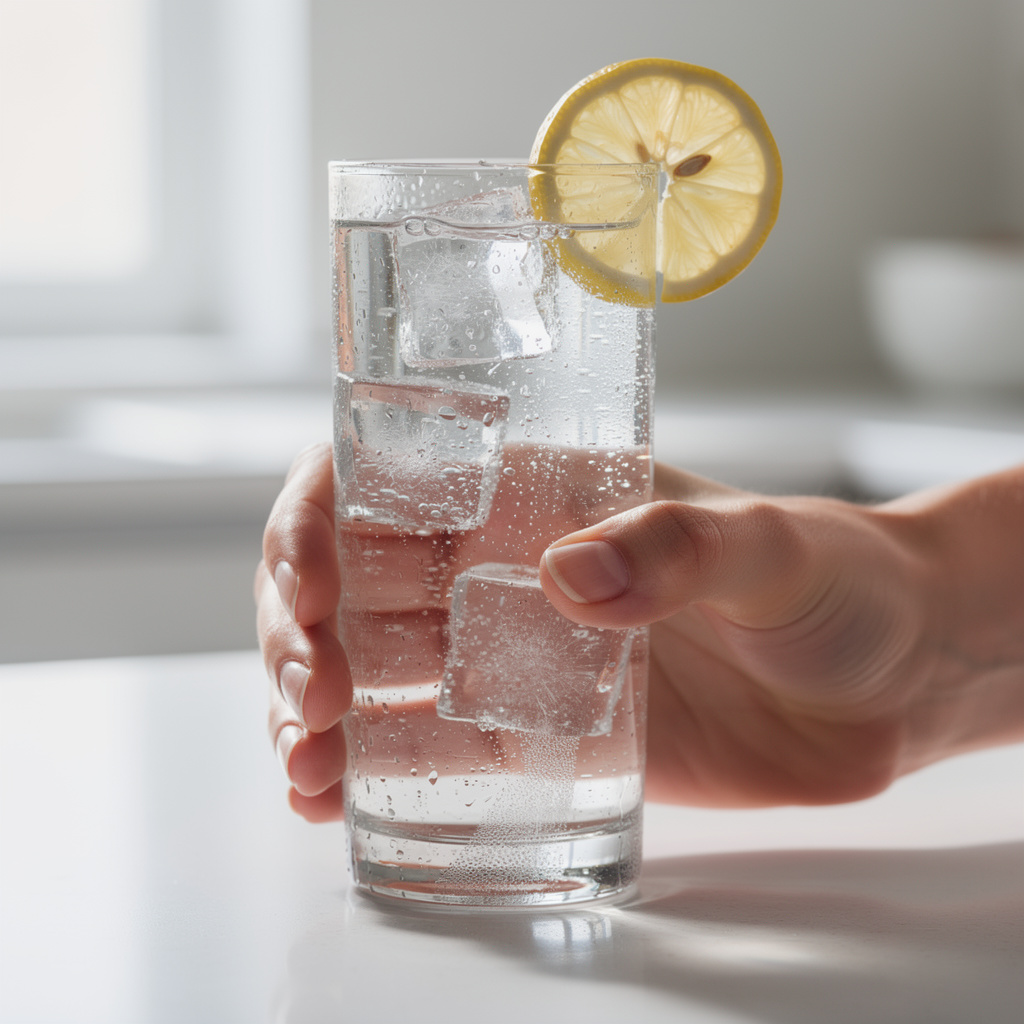
Water is essential for kidney function. Your kidneys need adequate fluid to filter waste from the blood effectively (Cleveland Clinic). A simple cue: aim for pale yellow urine, which suggests good hydration (PBS).
General guidance suggests about 9 cups of fluid per day for women and about 13 for men from all sources. BBC Future notes that 1.5 to 1.8 liters per day is enough for most people, and more water may reduce kidney stone risk (BBC Future).
Avoid overhydration, which can cause electrolyte imbalances (NCCIH). Plain water is what your kidneys need.
See our guide to staying properly hydrated to support kidney function.
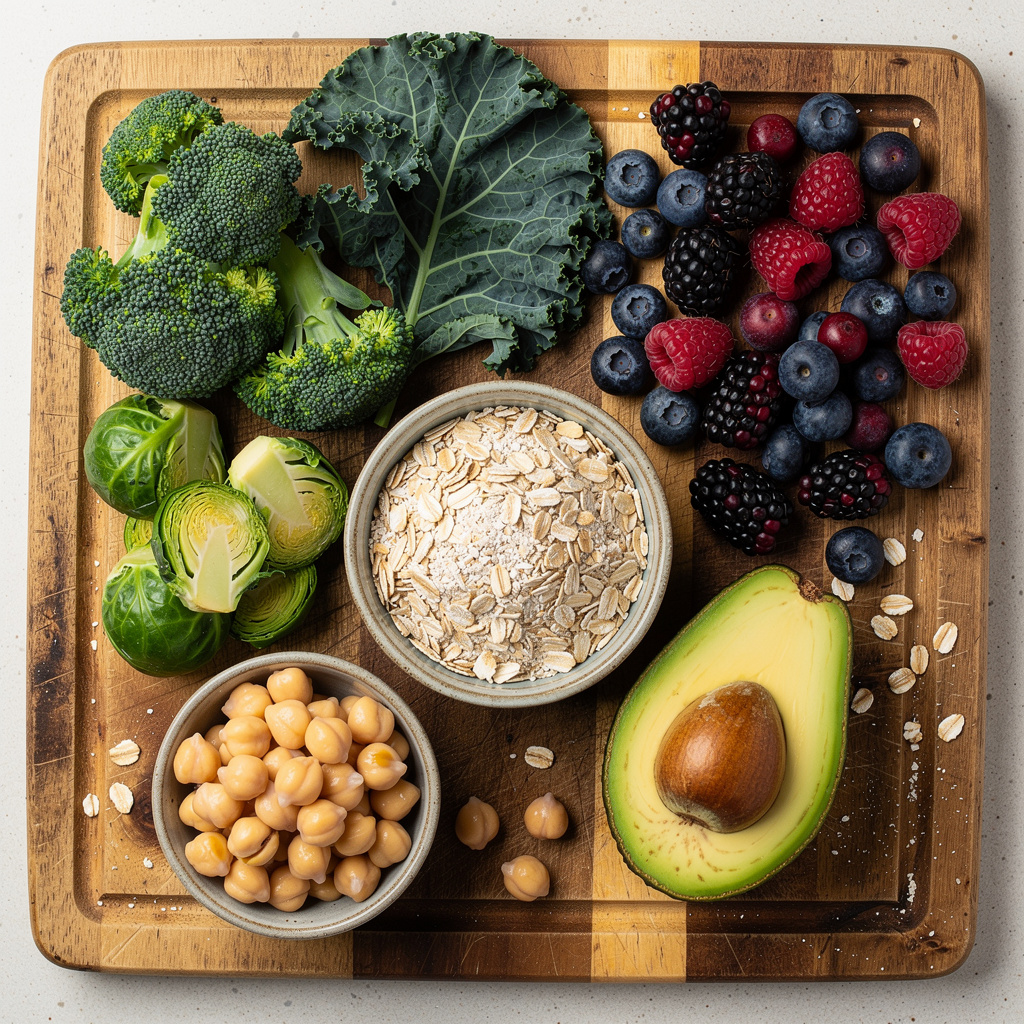
Fiber is one of the most underrated tools for supporting your body’s natural detoxification. Research shows that fiber binds to certain toxins in the digestive tract, including lead and arsenic, and helps your body excrete them (BBC Future). Cruciferous vegetables such as broccoli, Brussels sprouts, and kale contain compounds that induce phase I detox enzymes in the liver, a measurable effect from real food (AANMC).
Antioxidants from berries, leafy greens, and herbs support detox pathways too. Get them from food rather than supplements, because high-dose antioxidant supplements may increase disease risk (Healthline).
You do not need a special detox diet or an expensive organic-only regimen. Just more plants, more fiber, less processed food.
See our list of fiber-rich foods that support your body’s detox pathways, and learn how gut health connects to detoxification.
Your liver prioritizes metabolizing alcohol above almost everything else. When you limit alcohol, you free up your liver’s capacity to handle other metabolic tasks (Healthline). Johns Hopkins recommends a maximum of 3 drinks per day for men and 2 for women (Johns Hopkins Medicine).
Reducing processed foods, especially added sugar, refined grains, and excess sodium, also lightens the metabolic load on your liver and kidneys. Gradual reduction is more sustainable than extreme elimination diets, which can cause nutrient deficiencies (Kaiser Permanente). For food ideas, see our guide to food choices that support your body’s natural detox.
Sleep is when your body does some of its most important housekeeping. Emerging research suggests that the brain’s glymphatic system clears waste products during deep sleep (BBC Future). Sleep deprivation increases cortisol and inflammatory markers, and the CDC recommends at least 7 hours per night for adults (Healthline).
The evidence-based approach is simple sleep hygiene: a consistent bedtime, reduced screen time, and a dark, cool room. No product required. Read about how sleep supports your body’s natural recovery and detox processes.
Exercise boosts blood flow to your liver and kidneys, helping them filter waste more efficiently (BBC Future). The CDC recommends 150 to 300 minutes of moderate activity per week, or about 30 minutes a day, 5 days a week (Healthline). Gentle options that count: walking, yoga, swimming, or cycling.
Here is a myth worth busting: sweat does not remove toxins. Sweat is primarily for temperature regulation and contains mostly water and electrolytes (BBC Future).
The real benefits come from improved circulation, reduced liver fat, and better metabolic health. See how exercise naturally boosts your body’s detoxification.

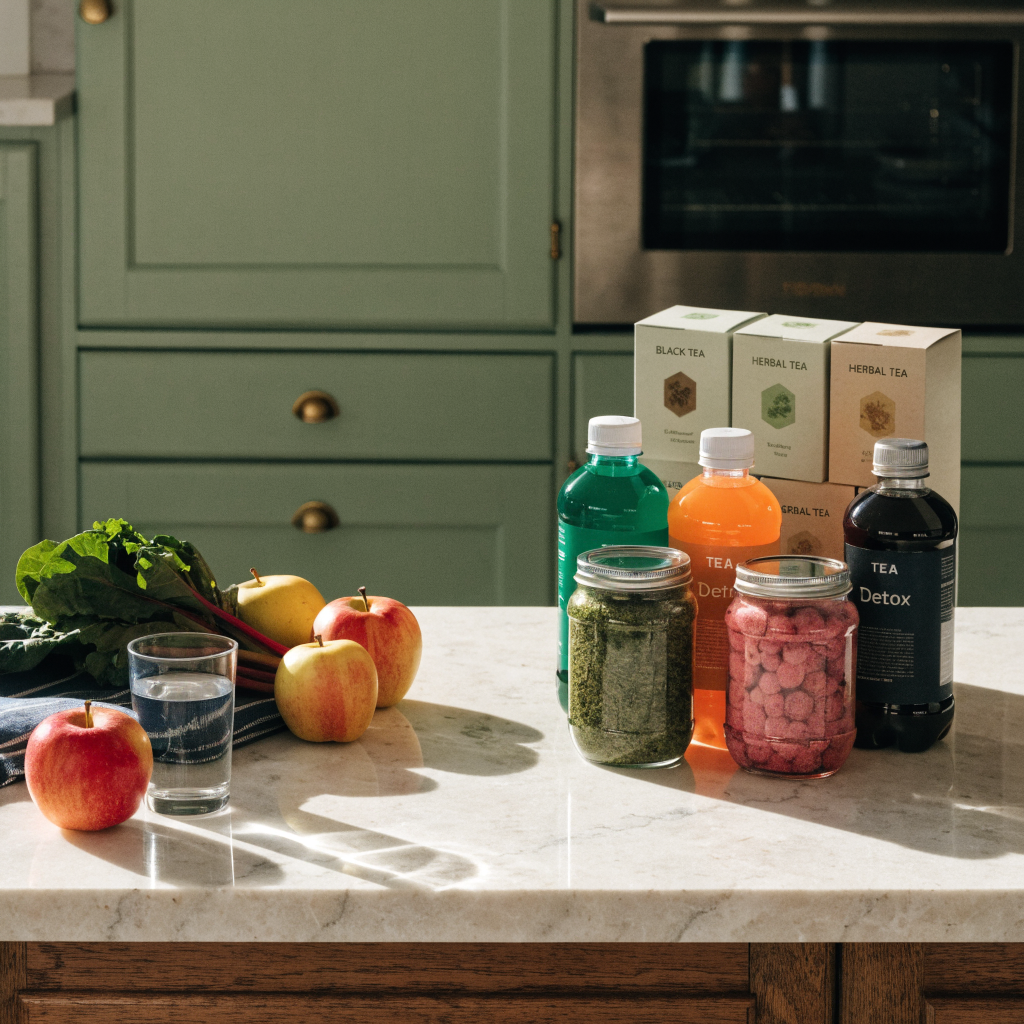
Many people turn to detox products because they are heavily marketed and promise quick results. There is no judgment in that. Unfortunately, the evidence does not support their claims, and some carry real risks.
Detox teas and drinks. There is no strong evidence that these products remove toxins (NCCIH). Excessive green tea has been linked to arrhythmias, liver injury, and sleep disturbance (Cleveland Clinic).
Some products contain hidden drug ingredients, and the FDA has issued multiple warnings (FDA).
Juice cleanses. Any weight loss from a juice cleanse comes from calorie restriction, not toxin elimination (NCCIH). Harvard Health has linked kidney failure to juice and green smoothie cleanses, and high-oxalate juices can impair kidney function and raise kidney stone risk (Cleveland Clinic).
Colonics and laxative protocols. The evidence for benefit is limited, and serious side effects are possible, especially for people with gastrointestinal disease, colon surgery, hemorrhoids, or kidney and heart disease (NCCIH). Laxatives cause dehydration and malabsorption of nutrients.
Unregulated supplements. Over-the-counter detox supplements are not FDA approved and are not tested for safety or efficacy (Johns Hopkins). Some can cause liver injury.
Over-the-counter chelation products are unapproved new drugs with risks including kidney failure and death (FDA).
If you want to understand how juice cleanses compare to whole-food approaches, or what the science says about herbal teas for detox, we have covered both in detail. If you take supplements regularly, see our guide to which supplements are worth taking and which to avoid.
Even a gentle lifestyle reset can cause problems if something is not right with your health. Stop immediately and see a clinician if you experience any of the following (Medical News Today):
These symptoms may indicate dehydration, an electrolyte imbalance, or a medication interaction. If you have persistent symptoms that make you wonder whether something is off, that is a valid reason to get lab testing rather than self-diagnosing.
You can explore specialized lab testing options that reveal underlying issues a lifestyle reset cannot address. And if you would rather talk it through first, a telemedicine consultation gives you a clear, professional perspective on what may be going on.
A responsible reset does not produce dramatic “detox” symptoms or rapid toxin elimination. If anything, dramatic reactions are a sign that a product may be causing harm rather than helping.
What you can expect over days to weeks: better hydration (more energy, improved skin, regular digestion), improved sleep quality, reduced bloating from more fiber and less processed food, and steadier energy levels from balanced meals.
What you cannot expect: toxin removal (your body handles that internally), rapid weight loss (that would be from calorie restriction, not detox), or cured medical conditions. The real benefit is long-term.
Building sustainable habits supports your liver, kidneys, and overall health for years. For an evidence-based look, see our breakdown of what detox diets actually do for weight loss.
A full body detox is a lifestyle reset that supports your body’s natural waste-elimination systems through hydration, whole foods, sleep, and movement. It is not a medical treatment and does not remove toxins the way your liver and kidneys already do.
A short-term reset focusing on hydration, whole foods, and light movement is generally safe for healthy adults. However, extreme 3-day programs such as juice-only fasts or laxative protocols lack evidence and can cause side effects (NCCIH; Harvard Health). Use the five-pillar plan in this guide for a safer approach.
In the lifestyle sense, detox is not a timed process. Your liver and kidneys filter your blood continuously. There is no 3-day, 7-day, or 30-day timeline for “completing” a detox.
Improved habits support ongoing function. (Note: substance detoxification is a medical process. If you are seeking help for alcohol or drug withdrawal, contact a medical provider.)
Rather than looking for “signs you need a detox,” pay attention to signs that lifestyle adjustments might help: fatigue, poor sleep, digestive discomfort, or sluggishness after meals. These are more likely signals that your diet and routine could use a reset, not that toxins are building up. If gut issues are part of the picture, our guide to 10 signs your gut microbiome is out of balance may help.
You do not need a complicated protocol or expensive products. Start with one glass of water, go for a walk, and get to bed 30 minutes earlier tonight. Small, consistent steps are what the evidence supports, and they are what your body actually needs.