30+ Years
of Medical Experience

You have probably seen the headlines: chemicals in your kitchen, your shampoo, your couch. It is the kind of news that leaves you vaguely worried about household chemicals and your health. Here is the calmer picture: everyday exposure is real, measurable, and manageable for a healthy adult, and your body already has sophisticated systems for processing what it takes in.
This post walks through it in four parts: where everyday household chemicals come from, room by room; what your body already does with them; what actually reduces exposure; and how naturopathic support fits in, with honest notes on what has evidence and what does not.
A quick note: this is general information rather than medical advice. If you have concerns about a specific exposure, pregnancy, a chronic condition, or a child, that is a conversation with a clinician.
The useful way to think about household chemicals is a simple inventory: what is in this room, how often do I use it, and how does it get into my body. That last part is the exposure route: breathing is the main one indoors, with ingestion and skin contact playing supporting roles. Dose, route, and frequency are what separate a real concern from a trace. For the wider environmental picture, see our guide to environmental toxins and ways to protect your health.
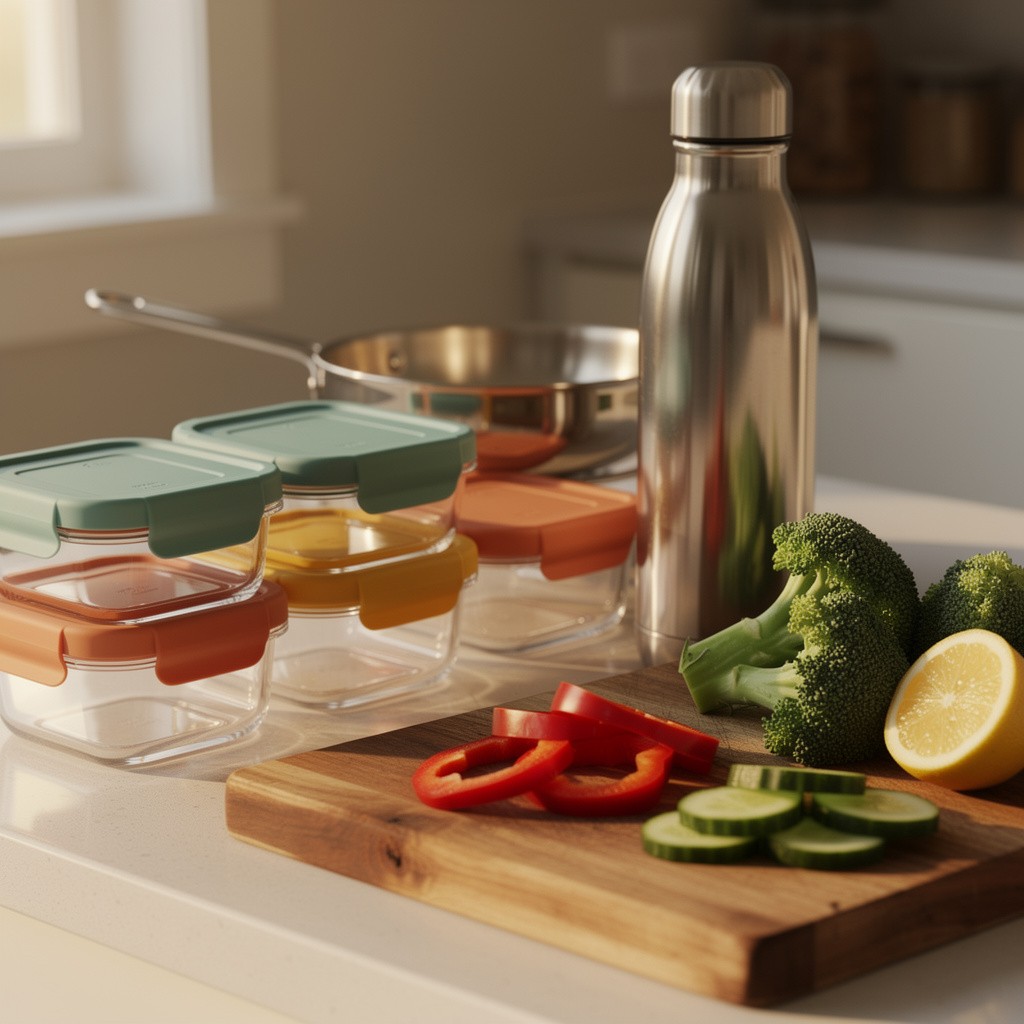
The kitchen carries most of the everyday chemical inventory in a typical home. Plastic food containers and water bottles can leach additives into what you eat and drink, and heat, acidity, and repeated washing increase that transfer. A 2024 analysis of three popular brands of bottled water counted roughly 240,000 tiny plastic particles per liter, about 90 percent of them nanoplastics (NIH). Researchers can now measure microplastics in food and water, and while the health effects of typical dietary levels are still being studied, the practical guidance is straightforward (UC Davis Health): store food in glass or stainless steel, and do not heat food in plastic.
Nonstick cookware is the other kitchen staple worth knowing about. Most modern nonstick pans are coated with PFAS, the “forever chemicals” that resist breaking down (EPA). Coatings on intact cookware contribute little, but scratched pans and high heat are the moments to replace them, and cast iron, stainless steel, or ceramic does the same job without the question. On produce, pesticide residues sit within tolerance levels set by the EPA; rinsing thoroughly under running water is the step the FDA recommends, with no need for soap or produce washes (FDA).
Shampoos, lotions, deodorants, and aerosols are the main sources of volatile organic compounds in a bathroom, and synthetic fragrance is a common carrier for other ingredients. “Fragrance” on a label can stand in for a mixture of components that do not have to be listed individually, which is one reason label reading matters more than brand loyalty here (EWG Skin Deep maintains a free ingredient database). Parabens and similar preservatives turn up in many everyday products, evaluated by regulators at the concentrations used.
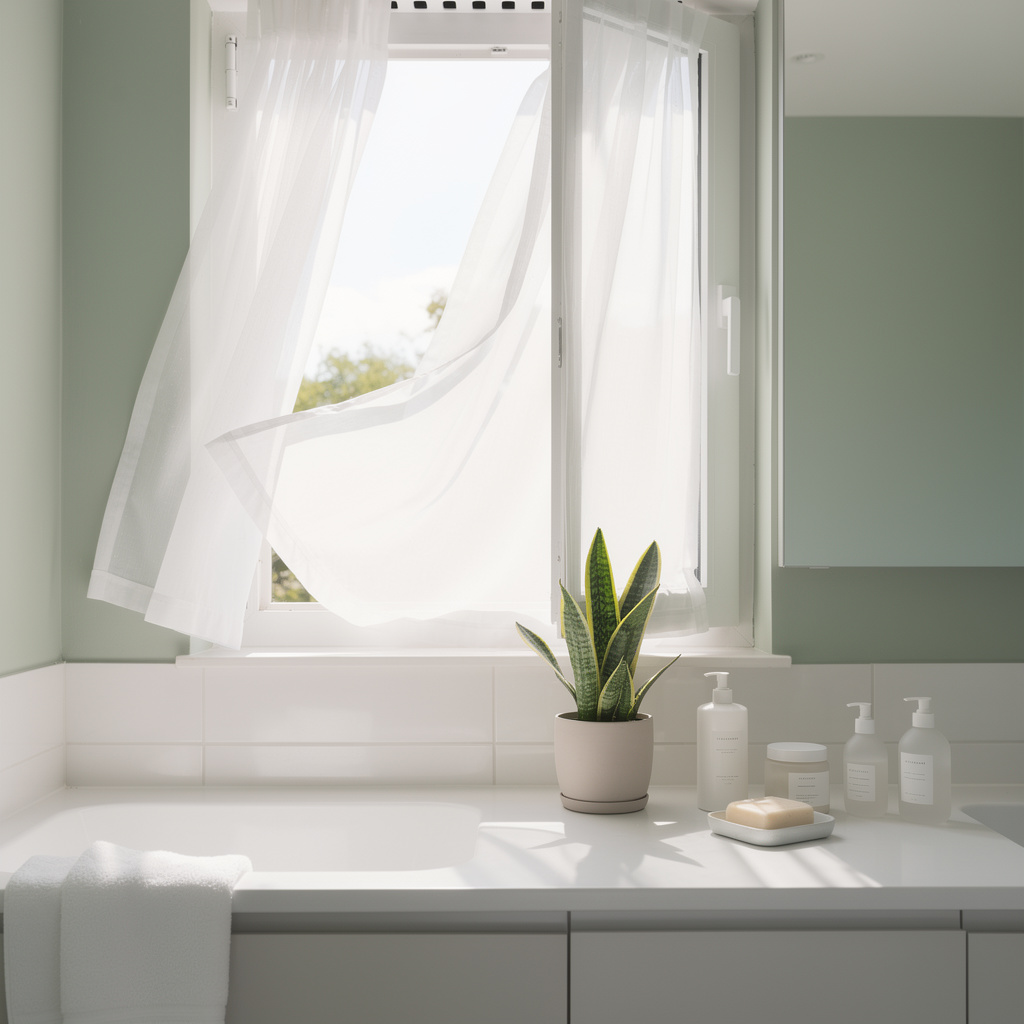
The EPA notes that levels of many volatile organic compounds are consistently higher indoors than outdoors, largely because we use products that release them in enclosed spaces (EPA). The bathroom is the extreme case: small volume, hard surfaces, and a fan that is often off. An open window or exhaust fan during and after a shower does more for indoor air than any product you could buy.
Pressed-wood furniture, new flooring, and upholstery can release formaldehyde and other compounds as they cure. Off-gassing is strongest when items are new and declines substantially over the first months (EPA indoor air guidance), so the practical move is to ventilate the room while a piece of furniture is new, not to replace what you own.
Household dust is the less glamorous piece of this inventory. Dust particles act as a reservoir, collecting residues from cleaners, personal care products, flame retardants in older furniture, and tracked-in pesticide residues. This is the most controllable part of the inventory: wiping surfaces with a damp cloth and vacuuming with a HEPA filter lowers both dust and what it carries. A musty smell, visible mold, or chronic dampness is a different conversation, one for a professional rather than a cleaning decision.
Cleaning products are where the hazard versus exposure distinction really matters. A label may list an ingredient that sounds alarming, but your actual exposure depends on concentration, how often you use it, and whether the room is ventilated. The other lesson: the word “natural” is not a safety rating, and “green” claims are not standardized. The label’s use instructions (gloves, dilution, airflow) matter more than replacing every bottle in the cabinet.
The strongest evidence here comes from long-term lung data. A European cohort study followed more than 6,000 adults over 20 years and found that women who cleaned regularly at home or at work lost lung function faster, an effect the linked commentary describes as comparable to smoking 10 to 20 cigarettes a day (American Thoracic Society journal commentary). This is worth knowing, not panic-inducing: the exposure involved was repeated, years-long contact with spray products, and ventilation is the change that addresses it.
Here is the part that gets lost in most conversations about household chemicals and your health: your body is not waiting for help. It runs a continuous, well-studied clearance system.
The liver is the central processing organ, working in two broad stages. Phase I enzymes modify a compound into a reactive intermediate, and Phase II enzymes attach a carrier molecule that makes it water-soluble enough to leave in bile or urine. These pathways handle medications, metabolic waste, and xenobiotic compounds (chemicals your body did not make) daily. The kidneys filter blood, the lungs exhale volatile compounds, and the skin and digestive tract play supporting roles. The amount of a chemical detected in your blood or urine is called your body burden, the reason we can say everyday exposure is measurable rather than hypothetical.
That is why the evidence on commercial “detox” products is so consistent. The National Center for Complementary and Integrative Health reviewed cleanse and detox claims and found no compelling evidence that they remove substances the body is not already handling (NCCIH). Johns Hopkins liver specialists say the same about liver cleanses: they are not regulated, not tested in clinical trials, and some supplements sold for liver health can injure the liver (Johns Hopkins Medicine). For the deeper physiology, our post on how your body naturally cleanses itself goes further than this overview.

The steps below are ordered by strength of evidence, and none of them requires a budget.
Indoor air is where most everyday exposure happens, and dilution is the cheapest fix available. Opening windows for five to ten minutes a day measurably lowers indoor VOC concentrations, and running kitchen and bathroom fans during and after cooking or showering removes moisture and combustion products at the source. Where ventilation is limited, a HEPA air purifier helps most with particles and allergens; reducing VOCs specifically requires activated carbon. The one exception is outdoor air quality: on smoky or high-pollution days, close up and run a filter instead (American Lung Association).
The kitchen swaps that matter most are the ones attached to heat:
The cost-conscious version: replace items one at a time as they wear out. A single glass container today is a real step.
Label reading is the skill that generalizes to every room: EPA requires cleaning and disinfecting products that make pesticide claims to carry use instructions, and the label is the regulated part (EPA). Ingredients listed as “fragrance” are worth noticing if you are trying to reduce synthetic fragrance in the house. For personal care, a shorter ingredient list usually means a simpler exposure profile, and free databases like Skin Deep help you look up what you already own.
The second half of this step is subtraction rather than substitution. Plug-in air fresheners, scented sprays, and scented candles all add to the indoor air load; an open window does the same clearing job for free. Vinegar, baking soda, and castile soap handle most routine cleaning (they are not disinfectants, so keep a proper disinfectant for raw meat surfaces and illness).
The oldest rule in toxicology is that the dose makes the poison, and regulation builds exposure limits around it with safety margins. The useful filter is cumulative contact. Daily-use items (your water bottle, your cookware, the cleaner you spray twice a week) deserve the attention. Occasional items (a plastic utensil once, a receipt in your pocket, a five-year-old sofa that finished off-gassing years ago) do not. Think of it as the 80/20 of household chemicals: swapping what you touch constantly does more than worrying about every trace.
The honest question is what naturopathic support actually adds, and it helps to separate three categories: habits with real support behind them, approaches that are merely safe, and claims with no evidence that can carry risk. Everything in this section is context for a conversation with a qualified clinician, not a protocol to start on your own.
These are foundational health habits rather than detox protocols, and they support the systems described above without any product: adequate fiber supports regular bowel movements, the exit route for compounds the liver has already processed into bile; steady hydration supports kidney filtration; and sufficient protein provides the amino acids that Phase II liver pathways use for conjugation. Micronutrients that act as enzyme cofactors (zinc, magnesium, B vitamins, selenium) are best obtained from food, since megadoses behave differently in the body than dietary amounts. Sleep also earns its place: research on the brain’s glymphatic system shows that metabolic waste clearance rises during deep sleep (Xie et al., Science).
Commercial cleanses, detox teas, and supplement protocols fall on the wrong side of the evidence line (NCCIH review), and some carry real risks such as electrolyte disturbances, medication interactions, and liver injury from concentrated herbal extracts. High-dose antioxidants are another category where more is not better: a Cochrane review of 78 randomized trials found no mortality benefit, and beta-carotene and vitamin E were linked to a small mortality increase in the higher-quality trials (Cochrane systematic review). Chelation is the clearest line: the FDA states that no over-the-counter chelation product is approved for any condition, and unsupervised use can cause dehydration, kidney failure, and death (FDA). Colon cleanses and enemas have no evidence behind them and real injury risk. “Natural” describes an origin, not a safety profile.
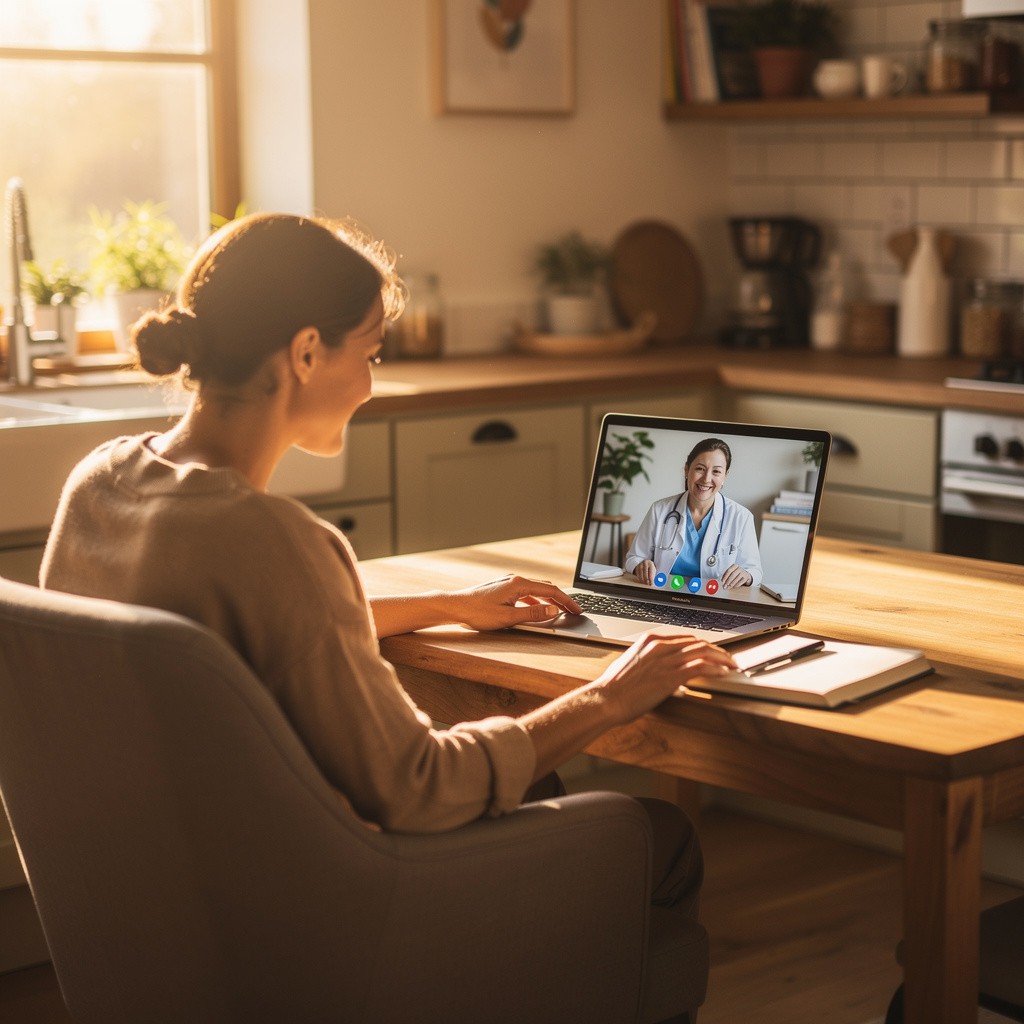
Some situations call for objective information rather than guesswork. Persistent unexplained symptoms (fatigue, thinking changes, ongoing respiratory irritation) deserve a clinical evaluation. Specific concerns about heavy metals, mold exposure, or an occupational chemical exposure are better served by specialized lab testing than by self-testing. Anyone reading about endocrine-disrupting chemicals in the context of fertility and pregnancy should know that individualized guidance matters more than general advice. Our telemedicine consultation and life enhancement medicine pages describe how that conversation works.
The short version of household chemicals and your health: your home contains a real but manageable inventory of everyday chemicals, your body processes them continuously through systems that do not need a product to work, and the changes that reduce exposure are mostly free (ventilation, dust control, label reading) or happen gradually as things wear out. Naturopathic support has an honest role in the foundational habits and in sorting evidence from marketing, but it is never a cleanse.
If you take one step from this post, pick a single swap (open a window while you cook, or move one container to glass) and try it for a week. If a specific exposure is weighing on you, bring it to a clinician rather than a search engine. Browse our blog, our detoxification library, or how to safely detox your body at home.