30+ Years
of Medical Experience

You have probably read a dozen articles promising a quick cleanse for your liver. What almost none of them explain is the machinery: two organs, one vein, and a continuous exchange that runs every hour of every day.
That machinery has a name, the gut liver axis, and once you can picture it, the detox conversation gets more sensible. This post walks the system: what your gut sends upstream, what your liver sends back down, where the loop stalls, and what genuinely supports it, with sources you can check.
The gut liver axis is the two-way communication system between your digestive tract and your liver. Connected by the portal vein, these organs exchange nutrients, microbial metabolites, and bile in a continuous loop that governs digestion, detoxification, and immune regulation. A 2023 review in Nature Reviews Microbiology sets out this anatomy and summarizes how the pairing behaves in health and in liver disease.
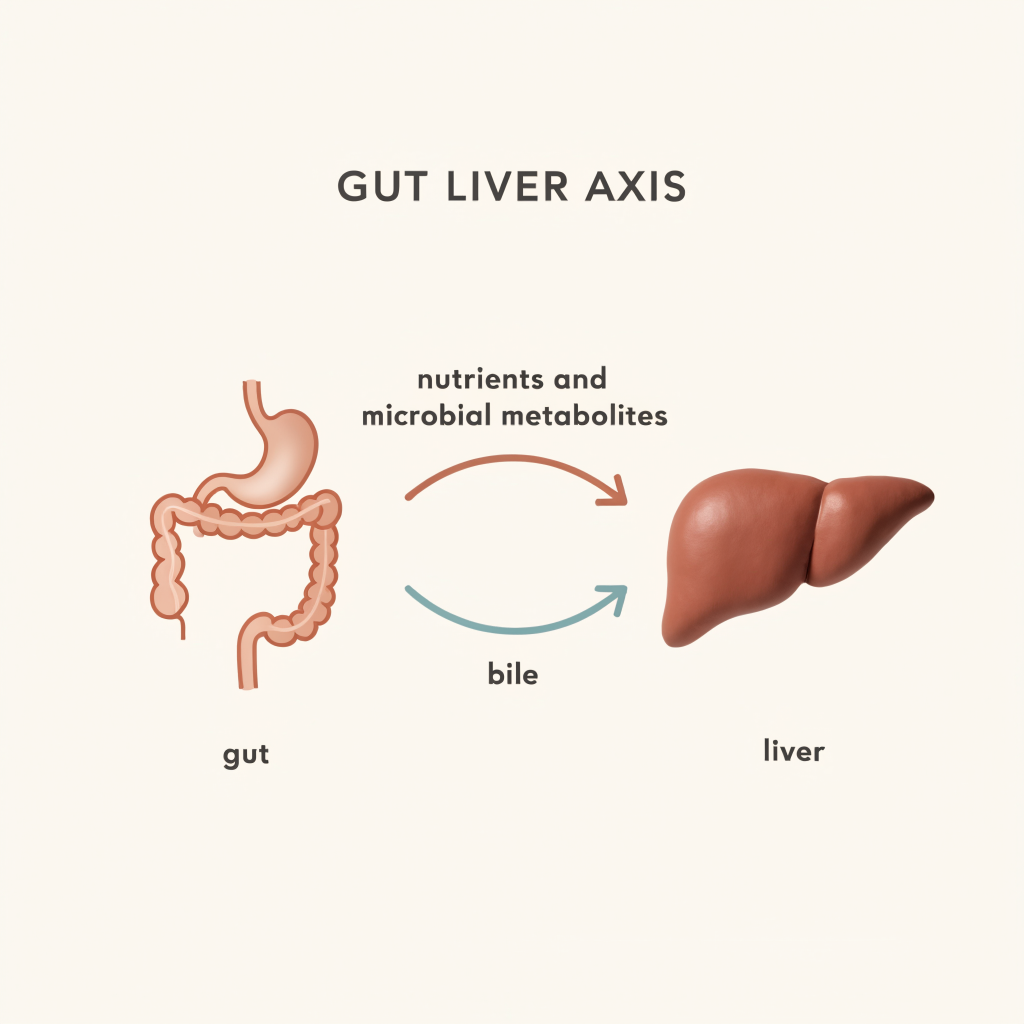
The useful shift: your gut and liver are one connected system, not two departments sharing a building, with traffic moving both ways all day. Blood leaving your intestines goes straight to the liver rather than taking a lap around your body first, which is why digestive health and processing capacity are the same conversation.
The portal vein is a large vessel that carries blood from the stomach, intestines, pancreas, and spleen directly into the liver. Roughly three quarters of the liver’s blood supply arrives this way, which is why the liver sits “downstream” of the gut (Nature Reviews Microbiology, 2023; Clinical and Experimental Gastroenterology, 2022).
In practice, the liver gets first look at everything absorbed from your intestinal wall: amino acids and sugars from your meal, bile acids returning from recycling, and byproducts your gut bacteria make.
One point worth stating carefully: the liver does not sort cargo into good and bad here. It receives whatever comes, then sorts it into what to store, what to release onward, and what to prepare for elimination. The broader chemistry is in the science of detoxification explainer.
The clinical term for this “first look” is first-pass metabolism. Anything you swallow and absorb passes through the portal circulation and into the liver before it reaches the rest of your body. The liver’s enzymes transform a share of it on the way through, which is one reason a medication taken by mouth can arrive at the bloodstream in a much smaller amount than the dose you swallowed.
This is well-established pharmacology rather than a wellness claim. Research on intestinal and liver metabolism describes how drugs and other compounds are processed at this first pass, including how the gut’s own enzymes contribute before the liver takes over (Pharmaceutics, 2020). The same general principle applies to compounds from a meal or from gut bacteria.
Three categories of cargo move upward through the portal vein, and the third is the one most articles leave out.
Nutrients. Absorbed carbohydrates, fats, and amino acids travel to the liver for processing and distribution. This is the ordinary traffic of a meal, and it is why the liver sits at the center of metabolic health.
The waste load. Compounds your body is finished with, including bilirubin from worn-out red blood cells, ride the same highway. How much extra material reaches the liver also depends on how selectively the barrier works and on everyday exposures, which the household chemicals post covers.
Microbial metabolites. Your gut bacteria are not passive passengers. They ferment what reaches the colon and produce a stream of small molecules, several of which are absorbed and delivered straight to the liver. The best characterized are the short-chain fatty acids acetate, propionate, and butyrate, made when bacteria ferment dietary fiber (Gut Microbes, 2024).
Butyrate is the colon cell’s preferred fuel, and these molecules also act as signals that influence how liver cells handle fuel and inflammation.
One honest evidence note: Short-chain fatty acids are well documented in human portal blood after fiber fermentation, and their biochemistry is solid. What is still being worked out is how much of their signaling effect translates from animal and cell models into measurable outcomes in people. Treat delivery to the liver as established, and any benefit as an open question rather than a promise.
For the wider gut microbiome and liver health in a clinical context, the boost gut health post covers the practical territory; here we are only concerned with delivery.
Traffic does not only go up. The liver also sends material down into the intestine, and bile is how it does that.
Bile is a fluid made of water, bile acids, bilirubin, cholesterol, and compounds the liver has finished processing. Its role in fat digestion is real and covered in the bile flows post.
The second job matters here: bile is how the liver gets processed waste out of the body. Bilirubin, the pigment that gives stool its color, leaves this way, along with other compounds prepared for exit.
Bile is therefore an export valve: the one route by which the liver pushes finished work back into the digestive tract, where it can leave with the next bowel movement.
The export valve does not simply open and empty; most of what flows through it is collected again.
Bile acids travel into the small intestine, do their work, and then roughly 95 percent are reabsorbed in its final section and carried back to the liver through the portal vein to be used again (Clinical and Experimental Gastroenterology, 2022). Physiologists call this enterohepatic circulation. A single bile acid molecule can make dozens of trips around the loop before it leaves in stool.
Recycling is efficient and completely normal. The detail that matters: anything still in the bile when it reaches the intestine has a second chance at the liver unless eliminated. The liver’s processing pathways are set out in the liver detox phases overview.
One clarification: this recycling story is about bile acids and the waste cargo bile carries, not hormones. The same loop for hormones is its own subject, covered in depth by the hormone clearance loop post. Different cargo, same plumbing.
So far, everything is a working machine. What happens when one part slows down? Because the parts are coupled, the others notice.
The chain runs like this. Bowel movements become infrequent, so intestinal contents sit longer in the colon. That extra time changes what gets reabsorbed during recycling, since bacterial enzymes have longer to modify bile acids and their cargo.
A shifted mix of recycled compounds changes the environment bacteria live in. A shifted microbiome can in turn affect how selective the intestinal barrier is, and a less selective barrier lets more material, including bacterial cell wall products, into portal circulation. The liver now receives a heavier and more complex load, and a busier liver works through the same traffic more slowly (Nature Reviews Microbiology, 2023).
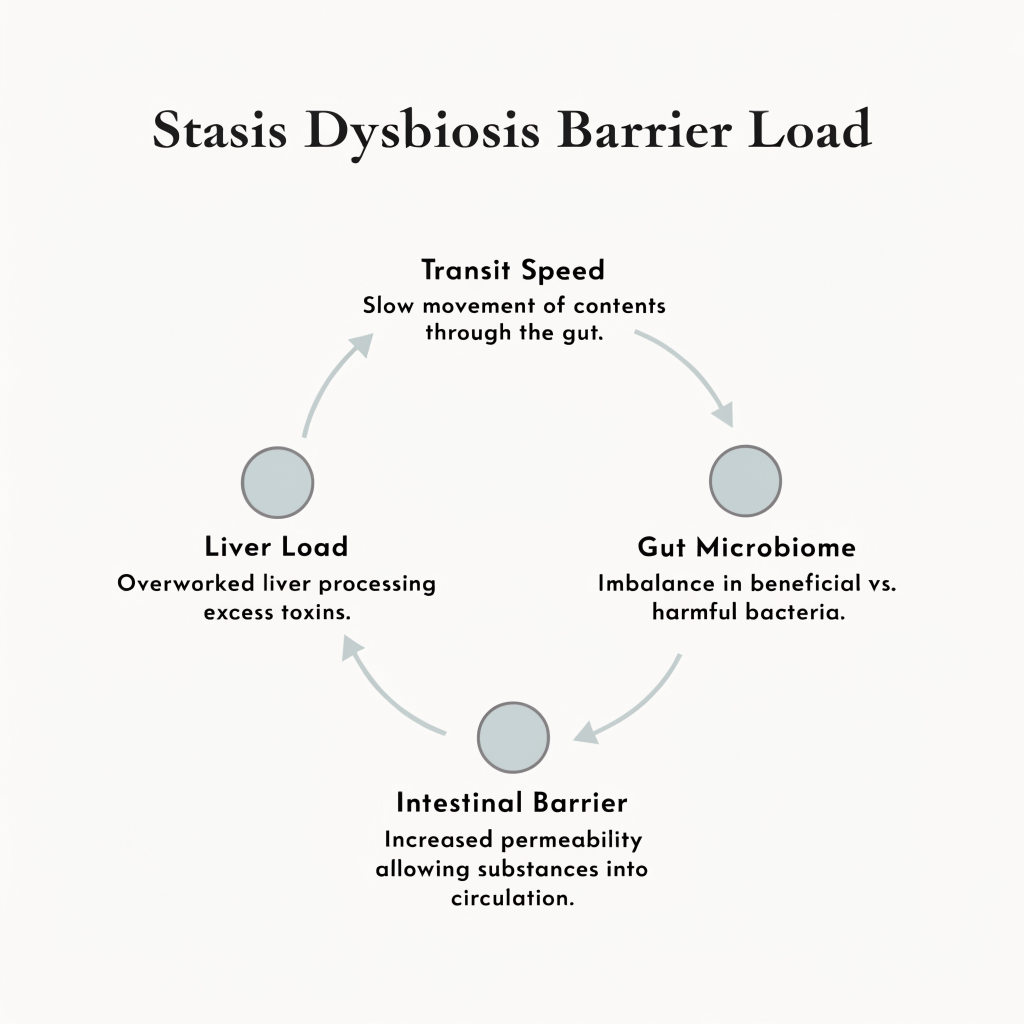
Be careful how much weight this chain can carry. Each step on its own is well described: bile acids do shape microbial communities, and barrier function does affect what reaches the liver.
What is still being worked out in people is the direction and size of the effect across the chain. Human studies mostly show strong associations, while much of the causal detail comes from animal models. That is a reason to take the cycle seriously as a mechanism, and a poor reason to treat it as a diagnosis.
Timing is the first domino. When stool moves through the colon slowly, bile acids and the compounds riding along spend longer in contact with bacterial enzymes.
Those enzymes modify what is there, and what gets reabsorbed and sent back to the liver is therefore a different mixture than at a faster transit time. Nothing dramatic happens in a day. It is a shift in composition, repeated every time the loop turns.
Practical guidance on staying regular belongs to the constipation post.
Bile acids have antimicrobial properties, so bile composition helps keep the gut community in balance (Nature Reviews Microbiology, 2023). Change the recycled mix and you change the selection pressure, so the community shifts with it, a pattern seen in animal and human studies.
The barrier step follows. When the intestinal lining becomes more permeable, larger quantities of bacterial products such as lipopolysaccharide move into the portal circulation, where the liver’s resident immune cells respond to them (Current Opinion in Endocrine and Metabolic Research, 2021). None of this is disease on its own; it is a system working harder than usual.
Sustained extra load is what researchers study as a risk factor for metabolic change over time: animal work is consistent, human data shows associations, and interventional evidence in people is still developing. The liver support overview covers the broader picture.
If the loop is the machine, support means keeping its ordinary inputs steady. Nothing here is a regimen, a phase, or a timeline; these are the conditions the system uses in its normal work.
Regular elimination. Keeping bowel movements reasonably frequent is the most direct lever on the loop, because transit time sets what gets recycled rather than eliminated. This is physiology, not a claim that going to the bathroom “detoxes” you. If regularity is a persistent struggle, that is a conversation for a clinician rather than a problem to self-manage.
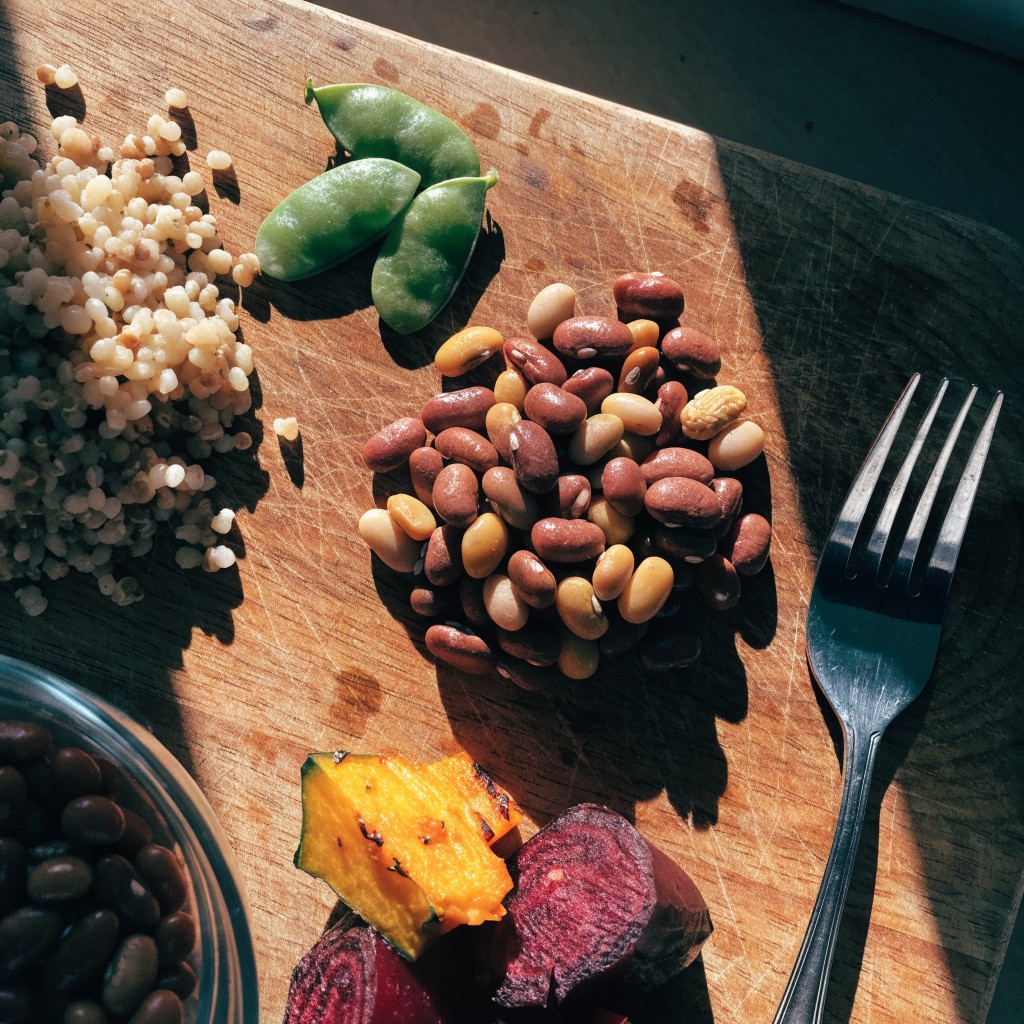
Dietary variety and fiber. Fermentable fibers are the raw material for short-chain fatty acid production, and a varied diet is associated with a more varied microbial community. Those are structural observations from the research, not a prescription; no gram targets or food lists here. For practical eating guidance, see the guide to nourishing your gut and the foods that support natural detox processes.
Everyday habits that move things along. Ordinary hydration supports the fluid balance that bile and kidneys work with, and regular movement supports intestinal transit. These are baseline behaviors, not a protocol.

A cleanse works on a simple visual: something built up inside you needs to be washed out. The loop does not work that way: the export valve, the recycling loop, and the microbiome all run continuously; there is no reservoir to drain.
Briefly changing what you eat changes what arrives in the portal vein for a day or two, but changing the input is not the same as changing how the machine works. The loop responds to consistency in its ordinary inputs, not intensity in short bursts.
The evidence behind cleanse claims is thin: a 2015 critical review of detox diets found no rigorous trials of the commercial programs, and NCCIH notes the body’s own pathways run continuously without a program.
The fuller discussion of why detox diets overpromise is in the truth about detox diets post, and the boost gut health post offers practical guidance. This post adds the mechanism layer underneath both.
Everything above describes normal physiology in a generally healthy person. A few situations belong in a clinician’s office instead: contact a clinician promptly if you notice yellowing of the skin or eyes, dark urine with pale stools, severe upper right abdominal pain, or unexplained rapid weight change.
If you have a diagnosed liver condition, gallbladder disease, IBD or IBS, if you take medication that the liver processes, or if you are pregnant, breastfeeding, or considering a change for a child: lifestyle changes should be discussed with your clinician first, and any new supplement is a question for your prescriber, with our supplements overview as background only. This is general information, not medical advice; a telemedicine consultation is one straightforward way to raise your specific situation with someone qualified to assess it.
The gut liver axis is a single working loop, not two organs working near each other:
For more on the digestive side of the loop, start with the gut health archive or the detoxification archive, or bring your questions to a clinician.