30+ Years
of Medical Experience

If you have ever searched for ways to sharpen your focus, boost your memory, or cut through brain fog, you have probably stumbled across the word nootropics. The global nootropic market crossed $2.3 billion in 2024 and is growing at nearly 8% per year, and for good reason. More people than ever are looking for cognitive enhancers that actually work, without the guesswork of sorting through hype, marketing claims, and conflicting advice.
The natural nootropics vs synthetic debate is one of the most common questions we hear at Infusion Health. Should you reach for a plant-based supplement, or does a lab-created compound deliver stronger results? The answer depends on your goals, your health history, and what the evidence actually supports. In this guide, we will break down both categories, compare the research side by side, and help you figure out which approach makes sense for you.
The term nootropic was coined by Dr. Corneliu Giurgea in 1972. He defined these substances as compounds that enhance cognitive function, including memory, focus, creativity, and motivation. Today, the category has expanded to include everything from your morning cup of coffee to prescription medications designed to promote wakefulness.
The surge in popularity comes down to a few converging trends. Remote work and constant digital stimulation have people searching for an edge. The wellness movement has made supplements mainstream. And research into brain health, neuroprotection, and cognitive performance has accelerated in the past decade. A 2024 narrative overview published in PMC confirmed that interest in both natural and synthetic cognitive enhancers continues to climb among healthy adults, not just clinical populations.
But here is the thing: not all nootropics are created equal, and the natural vs synthetic divide matters more than most people realize. Let us look at each category in detail.
Natural nootropics are plant-derived or naturally occurring compounds that support cognitive function. Think of them as working with your body’s existing systems rather than overriding them. They are generally available as dietary supplements, which means they are not FDA-approved for making medical claims, but many have centuries of traditional use backed by growing clinical research.
The appeal is straightforward: natural cognitive enhancers tend to have milder side effect profiles, are more accessible, and often address multiple aspects of brain health simultaneously. They are also more forgiving for beginners who are new to nootropic supplementation.
Caffeine plus L-theanine. This is the most well-studied natural nootropic combination, found naturally in green tea. Caffeine blocks adenosine receptors to promote alertness, while L-theanine increases alpha brain waves for calm focus without the jitters. Multiple randomized controlled trials have shown improvements in attention, reaction time, and task switching. If you are new to nootropics for beginners, this is the lowest-risk starting point.
Bacopa monnieri (Brahmi). An Ayurvedic herb with strong clinical evidence. A meta-analysis of nine RCTs involving 437 subjects found improved speed of attention and decreased reaction time. The standard dose is 300 to 600 mg daily, with effects typically observed after 12 weeks of consistent use. It is generally well tolerated, though mild gastrointestinal side effects are possible.
Lion’s Mane mushroom (Hericium erinaceus). This one stimulates nerve growth factor (NGF) production, which is critical for neuronal health. A recent pilot RCT in healthy young adults showed improved processing speed on the Stroop task at 1.8 grams per day over 28 days, with a trend toward reduced subjective stress. The research is promising but still in early stages.
Rhodiola rosea. An adaptogenic herb shown to reduce mental fatigue under stress. Multiple RCTs support its ability to improve cognitive performance during stressful conditions, making it a solid option for people dealing with work-related brain fog.
Omega-3 fatty acids (DHA/EPA). Critical for neuronal membrane integrity and long-term brain health. The evidence is strongest for preventing age-related cognitive decline rather than providing acute cognitive enhancement. Think of omega-3s as foundational brain nutrition rather than a quick fix.
Creatine. Five grams daily has been shown to improve short-term memory and reasoning in vegetarians and older adults, likely through supporting brain energy metabolism.

Synthetic nootropics are lab-created compounds designed specifically for cognitive enhancement. They tend to be more potent and target specific neurological mechanisms, but they also carry different risk profiles. Many are not FDA-approved for general cognitive enhancement and exist in a regulatory gray area, sold as research chemicals or through gray-market channels.
Racetams (piracetam, aniracetam, oxiracetam). The original nootropic class, synthesized in 1964. Piracetam modulates AMPA glutamate receptors and increases acetylcholine turnover. It is not FDA-approved in the United States, and the FDA considers these unapproved drugs. The strongest clinical evidence is in cognitively impaired populations, such as those with myoclonus or dementia. Evidence in healthy adults is limited, and the typical clinical dose for myoclonus epilepsy is 24 grams per day, far higher than the 1.6 to 3.2 grams self-administered by most users, raising questions about sub-therapeutic dosing.
Modafinil (Provigil). FDA-approved for narcolepsy, obstructive sleep apnea, and shift work disorder. It is a Schedule IV controlled substance that promotes wakefulness through dopamine reuptake inhibition. Studies show improved attention and executive function in sleep-deprived individuals, but evidence in non-sleep-deprived healthy adults is mixed. Side effects can include headache, anxiety, and insomnia. Notably, modafinil induces CYP3A4, which can reduce the effectiveness of hormonal contraceptives.
Noopept. A synthetic peptide-derived nootropic popular in the biohacking community. Limited published human trials make it difficult to draw firm conclusions about efficacy or long-term safety.

Here is a clear comparison of natural nootropics vs synthetic options across the factors that matter most. This table is designed to help you quickly evaluate which category aligns with your needs.
| Factor | Natural Nootropics | Synthetic Nootropics |
|---|---|---|
| Evidence quality | Moderate to strong (varies by compound; caffeine + L-theanine strongest) | Mixed; strong in impaired populations, weak in healthy adults |
| Safety profile | Generally mild side effects (GI issues, headaches, jitters) | Higher risk (insomnia, anxiety, cardiovascular, dependency) |
| Regulatory status | Available as dietary supplements (no FDA approval for medical claims) | Many are unapproved drugs or Schedule IV controlled substances |
| Onset of effects | Often requires weeks of consistent use | Acute effects (same day or within hours) |
| Long-term data | Centuries of traditional use plus decades of modern research | 50+ years for piracetam; limited long-term safety data in healthy adults |
| Cost | Generally affordable ($15 to $40 per month) | Variable; gray market racetams ($20 to $50/month), modafinil prescription cost |
| Accessibility | Readily available over the counter | Requires prescription (modafinil) or gray market (racetams) |
This is where the conversation gets honest. The evidence is stronger for specific natural compounds, like caffeine plus L-theanine and bacopa monnieri, than it is for synthetic racetams in healthy adults. A 2024 review published in PMC classified nootropics by evidence quality and found that many synthetic options have robust data only in cognitively impaired populations.
The placebo effect is also a real factor. As noted by Harvard Health, many perceived benefits from brain health supplements may be placebo-driven. This does not mean nootropics do not work, but it does mean we should be cautious about attributing every improvement to the supplement itself.
For people with specific diagnosed conditions, such as narcolepsy, myoclonus, or cognitive decline, synthetic options like modafinil and piracetam show clearer clinical benefits. The Cleveland Clinic has noted that while some supplements show promise, the evidence varies widely depending on the compound and the condition being treated.
For healthy adults seeking daily cognitive support, the natural-first approach has stronger safety data and more accessible evidence. But here is the key insight that often gets overlooked: the most important factor for cognitive function is not which nootropic you choose. It is whether you are sleeping well, exercising regularly, managing stress, and eating a nutrient-dense diet. Nootropic compounds build on top of that foundation, not replace it.
Understanding the side effect profile of each category is essential for making an informed decision. Neither category is entirely risk-free, but the risk levels differ significantly.
Natural nootropics are generally well tolerated. The most common side effects include gastrointestinal upset from bacopa, jitters or increased heart rate from caffeine, and mild sedation from ashwagandha. It is important to note that drug interactions are possible. Bacopa can interact with thyroid medications, and caffeine can affect people with certain heart conditions. Overall, these compounds are considered safe for long-term use when taken at recommended doses.
Synthetic nootropics carry a higher risk profile. Modafinil can cause headache, anxiety, insomnia, and in rare cases, serious skin rash. It also interacts with many medications through CYP enzyme induction. Racetams frequently cause headache, especially without an adequate choline source, and some users report overstimulation. There is also a dependency risk with modafinil, which is classified as a Schedule IV controlled substance. Perhaps most concerning, there is very limited data on the long-term effects of chronic synthetic nootropic use in healthy young adults.
The regulatory reality adds another layer of concern. As legal analysis from Takeroon explains, many synthetic nootropics sold as research chemicals or dietary supplements exist in a legal gray area. The FDA has issued warning letters for piracetam-containing products marketed as supplements.
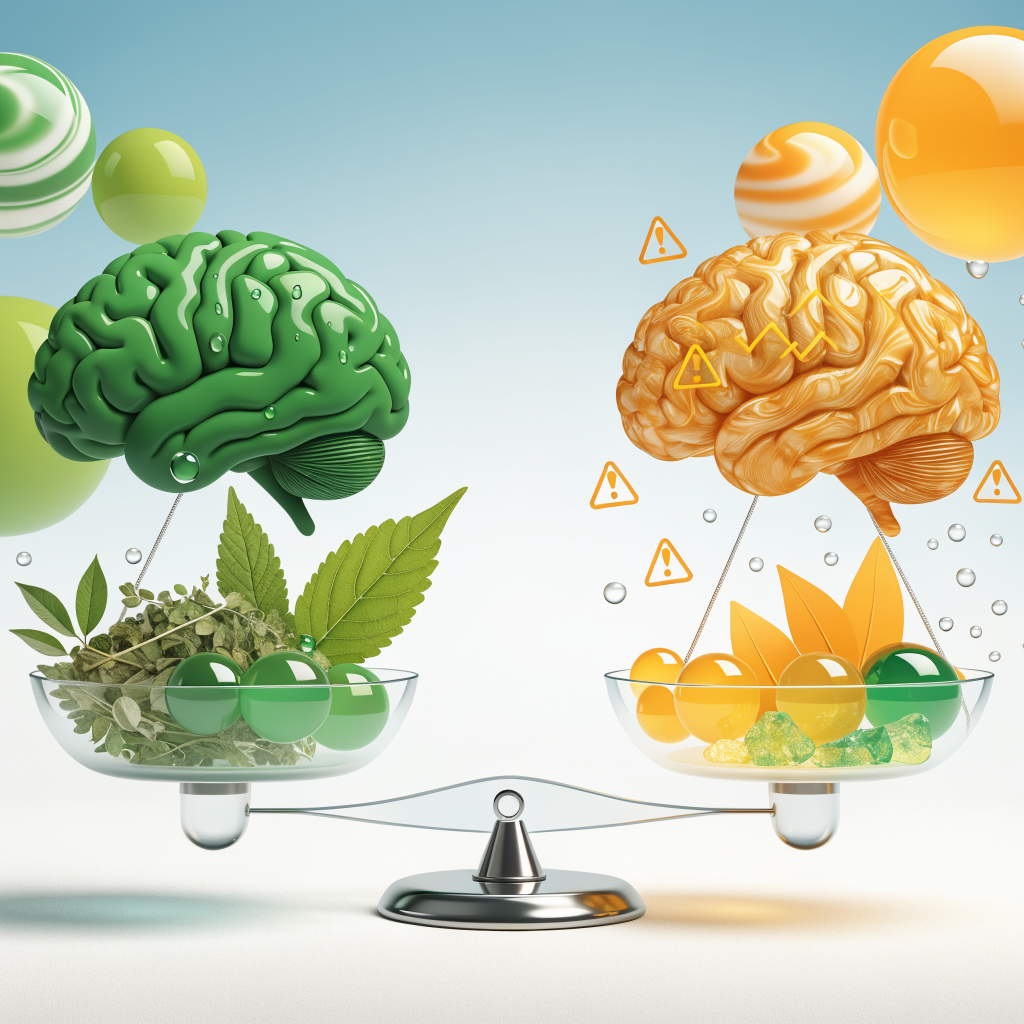
There is no one-size-fits-all answer, but here are some general guidelines based on the evidence.
A natural approach is generally the right starting point for healthy adults seeking daily cognitive support. It is also the better choice for people who prioritize safety and long-term use, those who are new to nootropics, and individuals who prefer a food-first or herb-first philosophy. If you want to try proven supplements for mental clarity, starting with well-studied natural compounds gives you the best balance of evidence and safety.
Synthetic nootropics may be worth considering for people with specific diagnosed conditions, such as narcolepsy, myoclonus, or certain forms of cognitive impairment, always under medical supervision. They may also be appropriate for short-term use during specific cognitive demands, such as intensive study periods or jet lag recovery, or for individuals who have not responded to natural approaches. For a deeper look at what is and is not safe in the biohacking space, check out our biohacking safety guide.
Regardless of which category you lean toward, avoid stacking multiple unregulated synthetic compounds, buying from unverified vendors, or using any nootropic without consulting a healthcare provider first. Products making extreme claims, lacking third-party testing, hiding ingredient doses behind proprietary blends, or providing no published dosage information should be avoided.
Nootropic stacking means combining multiple compounds for synergistic effects. The most well-studied natural stack is caffeine plus L-theanine, which already occurs naturally in green tea. This combination has the strongest evidence base of any nootropic stack available.
Common synthetic-inclusive stacks include piracetam with a choline source, or modafinil with caffeine. While these combinations can produce noticeable effects, it is important to understand that more compounds mean more potential interactions. Stacking increases the risk of side effects, especially when synthetic compounds are involved. If you are interested in exploring adaptogens as part of a natural stack, our guide on adaptogens for stress and cognitive support covers compounds like ashwagandha and rhodiola in detail.
The safest approach to stacking is to start with a single, well-studied compound, assess your response over several weeks, and add one additional ingredient at a time only if needed. This method allows you to identify what works for you and reduces the risk of confusing side effects from multiple compounds.

If you are ready to explore cognitive enhancement supplements, here is a practical framework to guide your decision.
For more inspiration on incorporating brain-boosting ingredients into your daily routine, explore our guide to brain-enhancing smoothie ingredients. You can also learn about non-supplement strategies with our overview of cognitive techniques for better memory.
Navigating the world of nootropics does not have to feel overwhelming. Here is what matters most.
Natural nootropics like caffeine plus L-theanine, bacopa monnieri, and lion’s mane have the best evidence for safety and efficacy in healthy adults. They work gradually, are generally well tolerated, and are accessible without a prescription.
Synthetic nootropics like racetams and modafinil show stronger evidence in cognitively impaired populations. Their benefits in healthy adults are less clear, and they carry higher risks including dependency, drug interactions, and unknown long-term effects.
No nootropic replaces foundational brain health. Quality sleep, regular exercise, effective stress management, and proper nutrition remain the most powerful cognitive enhancers available. Everything else builds on that base.
Start simple, stay evidence-based. Pick one well-studied natural compound, give it adequate time, track your results, and only explore synthetic options with professional guidance. The real divide in the natural vs synthetic nootropics conversation is not about plant vs lab. It is about evidence-based use and informed decision-making versus unregulated experimentation.
At Infusion Health, we believe in meeting you where you are. Whether you are just starting to explore cognitive enhancement or looking to optimize an existing routine, our team can help you make choices grounded in science, not hype. Reach out to us to discuss what approach might work best for your goals.