30+ Years
of Medical Experience

If you have ever felt that nagging mental fog, struggled to recall a word right on the tip of your tongue, or worried about whether your memory is what it used to be, you are not alone. These concerns affect millions of adults and often come with a bigger question: is cognitive decline just an unavoidable part of getting older? The answer might surprise you. Your brain is more capable of repair and regeneration than scientists once believed. The process of creating new brain cells, known as neurogenesis, continues throughout your life, particularly in the hippocampus, the region responsible for learning and memory. And one of the most promising natural compounds for supporting this process is lion’s mane mushroom. In this guide, we will break down how lion’s mane mushroom stimulates nerve growth factor (NGF), what the research shows, and how to use this supplement as part of a comprehensive approach to brain health.
Lion’s mane mushroom, known scientifically as *Hericium erinaceus* (and in Japan as yamabushitake), is a distinctive-looking fungus with long, cascading white spines that resemble a lion’s mane. It grows on dead and living broadleaf trees across North America, Europe, and Asia, and has been used in traditional Chinese medicine for centuries to support digestive and cognitive health. Unlike psychedelic mushrooms, lion’s mane is entirely non-psychoactive. It is a culinary and medicinal mushroom that has gained attention in modern neuroscience research. What makes *Hericium erinaceus* benefits stand out from other functional mushrooms is its unique ability to stimulate nerve growth factor, a protein essential for neuron survival, growth, and maintenance. You can find lion’s mane in supplement form as powders, capsules, tinctures, and extracts, with the scientific community focused on its potential for brain health and neurogenesis.
For most of the twentieth century, scientists believed adults could not grow new brain cells. Modern neuroscience revealed something remarkable: the hippocampus continues to generate new neurons throughout life, a process called hippocampal neurogenesis. This process is critical because the hippocampus plays a central role in memory formation, learning ability, and mood regulation. To understand more about how learning and memory work at the neural level, explore our guide on the science of learning faster and retaining more. When neurogenesis slows down, which happens naturally with aging, chronic stress, poor diet, and poor sleep, the consequences can include memory problems and increased vulnerability to cognitive decline. One of the key drivers of neurogenesis is nerve growth factor (NGF), a protein that supports neuron survival, growth, and maintenance. Research published in *Cellular and Molecular Neurobiology* has highlighted the role of BDNF and NGF in synaptic plasticity and cognitive function (Kowianski et al., 2017). Can you naturally stimulate NGF production? The answer, supported by growing evidence, is that certain compounds in lion’s mane mushroom can do exactly that.
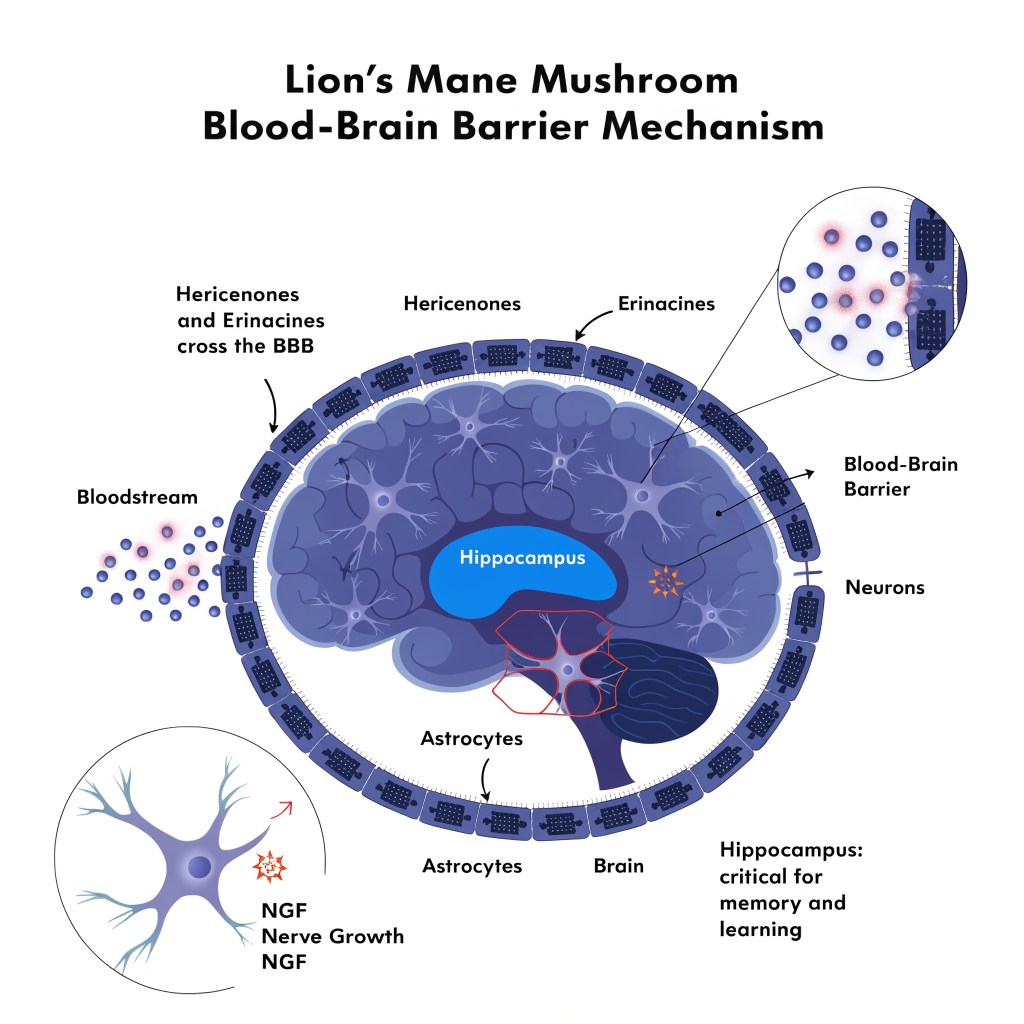
Lion’s mane contains two groups of bioactive compounds: hericenones and erinacines. These low-molecular-weight compounds have the rare ability to cross the blood-brain barrier, directly influencing brain chemistry in ways many other natural compounds cannot. Once in the brain, hericenones and erinacines activate the synthesis of nerve growth factor in astrocytes, the support cells that nourish neurons. The increased NGF promotes neurite outgrowth, the formation of new nerve cell projections that allow neurons to connect and form functional neural networks. This mechanism was first discovered in the early 1990s, when Kawagishi and colleagues identified hericenones C, D, and E as potent NGF stimulators (Kawagishi et al., 1991). Shortly after, they isolated erinacines A, B, and C from the mycelium and found them to be even more powerful NGF stimulators (Kawagishi et al., 1994). Subsequent research confirmed these compounds promote NGF-mediated neurite outgrowth (Zhang et al., 2015). What makes this approach valuable is that it is a natural way to support neurogenesis. Direct NGF injection into the brain is risky and invasive, but hericenones and erinacines achieve a similar effect through oral supplementation, making lion’s mane mushroom a practical option for brain health.
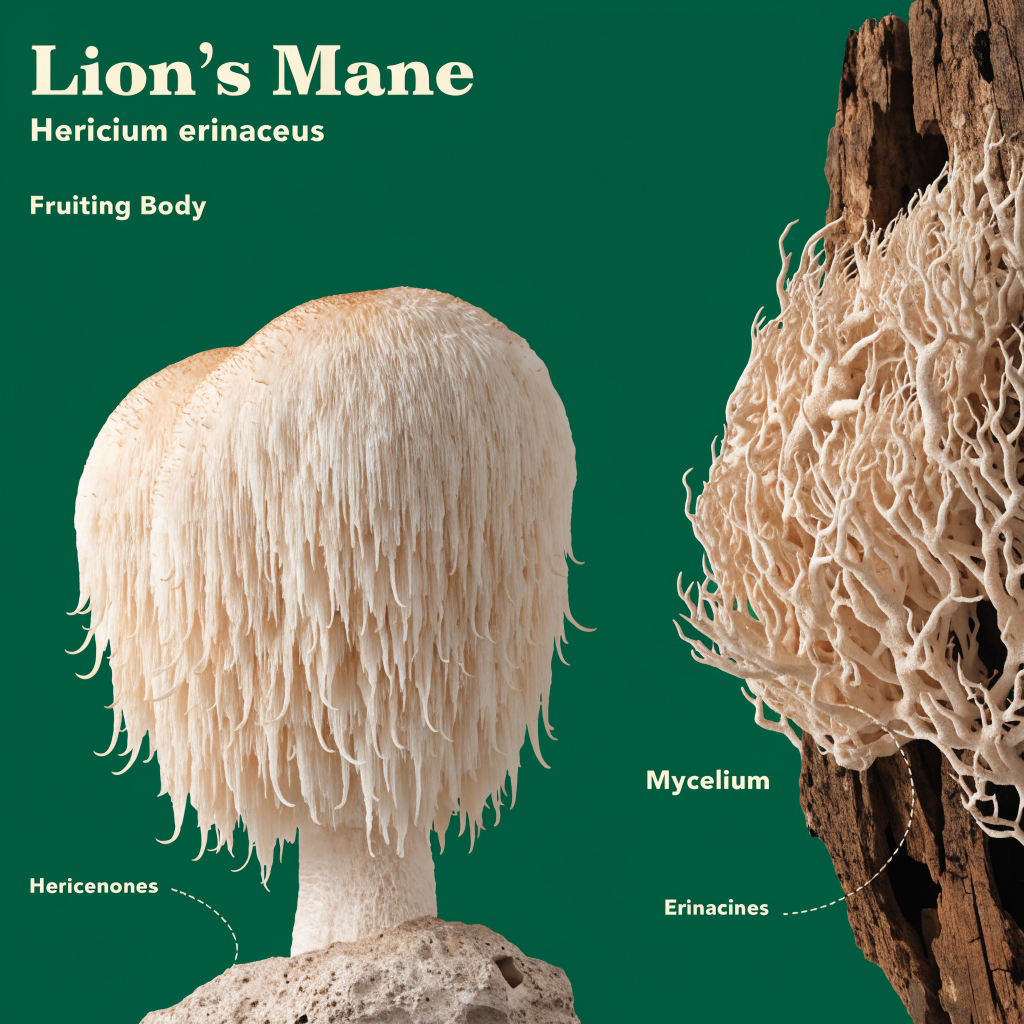
Hericenones are found primarily in the fruiting body, the visible part of the mushroom, and stimulate NGF synthesis. Erinacines are found mainly in the mycelium, the root-like network that grows within the substrate. Erinacine A in particular has been extensively studied for its neuroprotective effects. Research by Tsai-Teng and colleagues (2016) demonstrated that erinacine A-enriched *Hericium erinaceus* mycelium ameliorated Alzheimer’s disease pathology in transgenic mice, reducing amyloid plaques and improving cognitive markers. Beyond these compounds, lion’s mane also contains polysaccharides (including beta-glucans), phenolic compounds, and ergosterols that provide antioxidant, anti-inflammatory, and neuroprotective effects. This distinction matters when shopping for a supplement. Fruiting body products are richer in hericenones, while mycelium products contain more erinacines. Some high-quality supplements combine both, and dual-extracted products capture the full spectrum of beneficial compounds.
The clinical evidence for lion’s mane and neurogenesis has grown substantially over the past two decades. Here are the key studies that demonstrate its potential. Mori et al. (2009): A double-blind, placebo-controlled trial of 50 to 80-year-olds with mild cognitive impairment found that 3 g/day of *Hericium erinaceus* dry powder for 16 weeks significantly improved cognitive function scores (HDS-R) at weeks 8, 12, and 16. Scores decreased after supplementation stopped, suggesting ongoing use may be needed. No adverse effects were reported (PubMed: 18844328). Li et al. (2020): A double-blind, placebo-controlled pilot trial enrolled 68 participants with early-stage Alzheimer’s disease. Three capsules daily of erinacine A-enriched mycelia for 49 weeks improved MMSE scores and maintained daily living function, while the placebo group declined (Frontiers in Aging Neuroscience, 12:155). Docherty et al. (2023): A double-blind, placebo-controlled study of healthy young adults (18-45) found that 1.8 g/day of *Hericium erinaceus* for 28 days improved Stroop task performance after a single dose, with a trend toward reduced subjective stress after chronic supplementation (Nutrients, 15(22):4842). Saitsu et al. (2019): A 12-week trial of 31 healthy adults over 50 found *Hericium erinaceus* fruiting body supplementation significantly improved MMSE scores, suggesting neural network regeneration (Biomedical Research, 40(4):125). Vigna et al. (2019): An 8-week study in overweight or obese adults with mood and sleep concerns found *Hericium erinaceus* supplementation reduced depression, anxiety, and sleep disorder scores, while increasing circulating pro-BDNF levels (Evidence-Based Complementary and Alternative Medicine, 2019:7861297). Daoust et al. (2026): The most recent double-blind RCT (109 participants, aged 40-75, subjective cognitive concerns) found that 8 weeks of 2 g/day improved visual attention, working memory, sleep quality, and mood. No adverse events were reported (medRxiv 2026.04.13.26350781). Together, these studies paint a consistent picture: lion’s mane mushroom supports cognitive function across different age groups and health conditions.
Translating clinical data into everyday benefits helps you understand what lion’s mane might do for your brain health. Research links lion’s mane supplementation to improvements in several cognitive domains. Memory enhancement appears connected to hippocampal neurogenesis, the same process stimulated by NGF. An animal study by Ratto and colleagues (2019) showed *Hericium erinaceus* improved recognition memory and induced hippocampal and cerebellar neurogenesis in frail mice (Nutrients, 11(4):715). In human studies, the Daoust trial (2026) showed measurable improvements in visual attention and working memory, while the Docherty study (2023) found faster processing speed on cognitive tasks. Participants in multiple trials reported subjective improvements in mental clarity and reduced brain fog. The cognitive benefits are generally modest but meaningful, especially for those experiencing age-related cognitive concerns. Lion’s mane mushroom is not a miracle cure, but the evidence suggests it is one of the most promising natural nootropics for supporting long-term cognitive function and brain health. If you are interested in exploring other options, learn about proven supplements for mental clarity in our detailed guide.
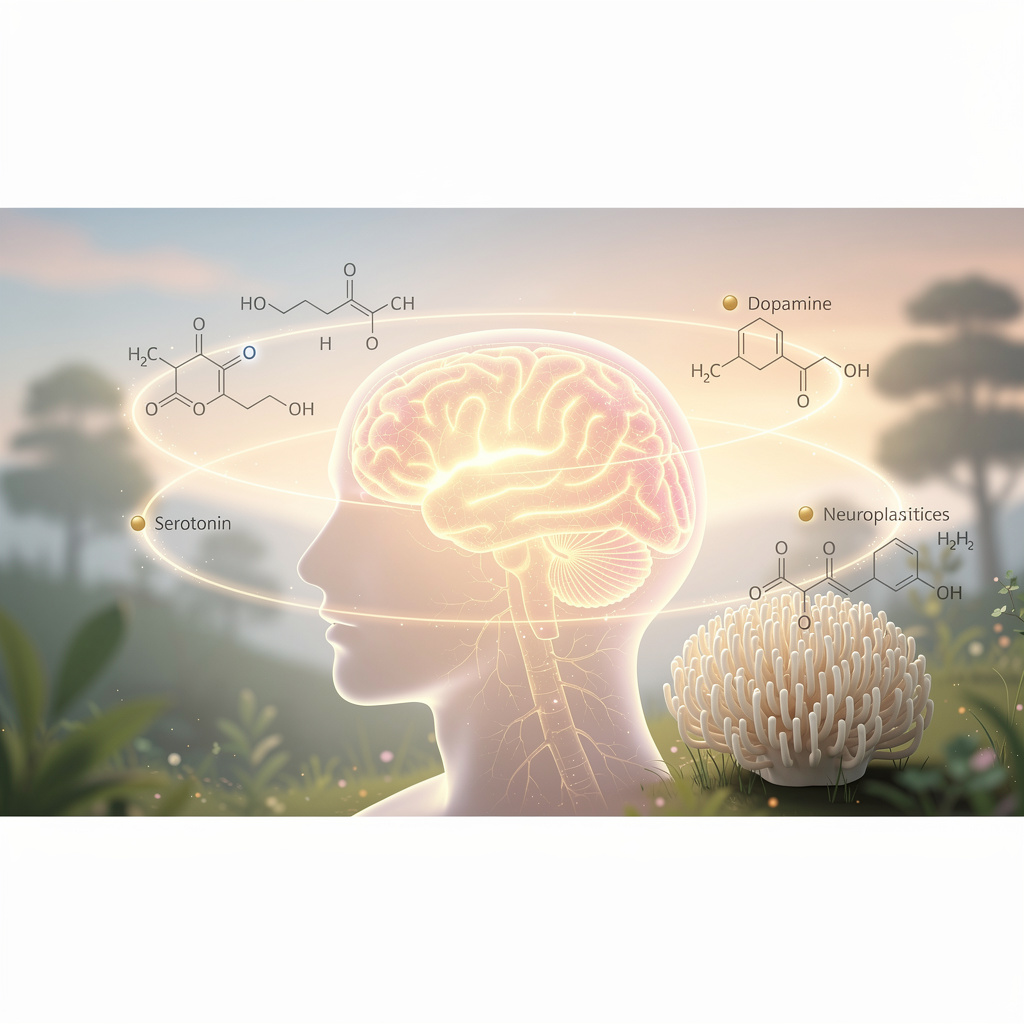
The benefits of lion’s mane extend beyond cognition. Emerging research highlights its potential for supporting mood, reducing stress, and alleviating symptoms of anxiety and depression. Nagano and colleagues (2010) conducted a 4-week study using *Hericium erinaceus* cookies in menopausal women, finding significant reductions in depression and anxiety scores on the CES-D scale. The Vigna study (2019) similarly demonstrated reduced depression, anxiety, and sleep disorders in overweight adults, with increased pro-BDNF levels providing a plausible biological mechanism. The mood-related benefits appear to work through several pathways. BDNF modulation supports neuroplasticity and stress resilience. Hippocampal neurogenesis, which lion’s mane promotes, is closely linked to emotional regulation. Research by Ryu and colleagues (2018) found *Hericium erinaceus* reduced anxiety and depressive behaviors by promoting hippocampal neurogenesis in mice (Journal of Medicinal Food, 21:174-180). Animal studies also show lion’s mane compounds modulate serotonin, dopamine, and norepinephrine levels, though human confirmation is still needed. Mood effects may be more pronounced in those who already experience mood disorders. The Docherty study (2023) found only a trend toward reduced subjective stress in healthy young adults, suggesting the most significant mood benefits may occur in those with greater baseline need.
Choosing the right supplement and dosing it appropriately is essential for getting the most benefit. Typical clinical dosages: – Mori (2009): 3 g per day – Li (2020): 1,050 mg per day – Saitsu (2019): 2.4 g per day – Docherty (2023): 1.8 g per day – Daoust (2026): 2 g per day Most clinical trials have used doses between 500 mg and 3 g daily, depending on extract concentration and formulation. Quality factors to consider: – Fruiting body vs. mycelium: Both have benefits but different compound profiles. Fruiting body products are richer in hericenones, while mycelium products contain more erinacines. – Extraction method: Hot water extracts polysaccharides, alcohol extracts terpenoids. Dual-extracted products capture the broadest range of compounds. – Standardization: Look for products that specify hericenone and erinacine content. – Third-party testing: Choose supplements tested for purity, heavy metals, and contaminants. Benefits typically emerge after 4 to 12 weeks of consistent daily use, though some effects like acute cognitive improvements in the Docherty study can appear after a single dose.
Lion’s mane mushroom has an excellent safety profile based on clinical trials spanning 2009 to 2026. Across multiple randomized controlled trials, minimal side effects have been reported, and no serious adverse events have been documented in peer-reviewed research. The most commonly reported side effects include mild stomach discomfort and occasional nausea. In the Mori (2009) trial, no adverse effects were reported. Things to keep in mind before starting: – Drug interactions: Theoretical concern about blood-thinning effects; caution advised if taking anticoagulant medications. – Mushroom allergies: Although rare, individuals with known mushroom allergies should consult their healthcare provider first. – Pregnancy and nursing: Insufficient evidence to recommend supplementation during pregnancy or breastfeeding. Always consult your healthcare provider before starting a new supplement regimen.
Lion’s mane mushroom works best as part of a comprehensive brain health strategy. Nutrition plays a foundational role. Brain-boosting nutrients including omega-3 fatty acids, B vitamins, magnesium, and antioxidants provide the raw materials your brain needs for cellular repair and growth. Learn more about brain-boosting nutrients and diets that support cognitive health. Sleep quality is critical for neurogenesis and glymphatic clearance, the process by which the brain removes waste products during deep sleep. Stress management matters because chronic stress is one of the most potent suppressors of hippocampal neurogenesis. Explore how adaptogens that support brain health can complement your routine. Exercise is one of the most well-documented natural stimulators of BDNF and neurogenesis. Regular physical activity increases blood flow to the brain and supports new neural connections. Clinical support through Infusion Health amplifies these efforts. NAD+ therapy supports brain energy metabolism, which declines with age. IV vitamin infusions deliver essential nutrients directly into your bloodstream. Magnesium therapy supports neuroplasticity and restful sleep. Discover how magnesium for brain recovery and sleep can make a difference. Evidence-based supplementation like lion’s mane, combined with clinical support and lifestyle optimization, creates the most robust approach to long-term brain health.
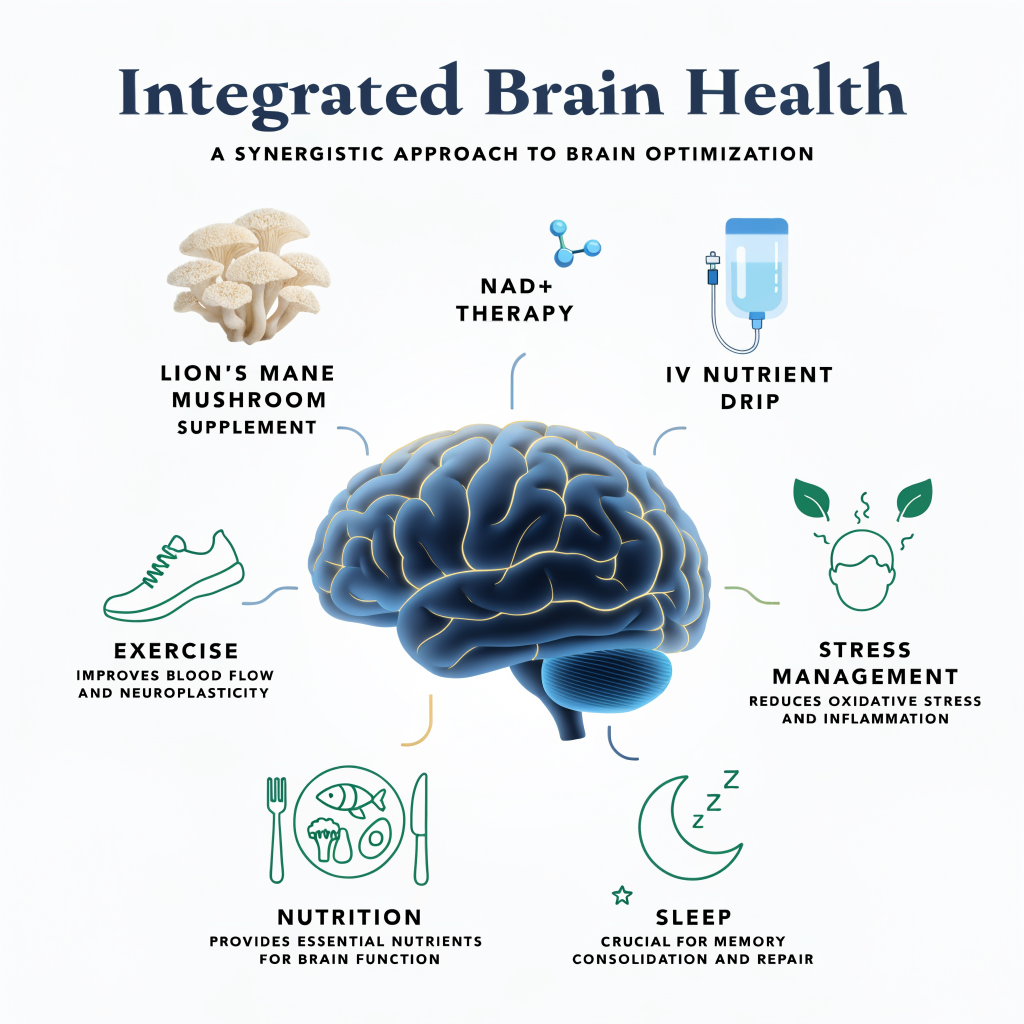
Lion’s mane mushroom stands out as one of the most clinically studied natural compounds for supporting neurogenesis. Hericenones and erinacines stimulate nerve growth factor production and support brain cell regeneration through a well-documented mechanism. Multiple randomized controlled trials support benefits for cognitive function, including memory, attention, and processing speed, as well as mood improvements in anxiety, depression, and stress. The effects are generally modest but meaningful, particularly for those experiencing cognitive concerns or age-related decline. Quality matters when choosing a supplement. Look for products that specify fruiting body, mycelium, or both, and check for standardized compound content and third-party testing. Lion’s mane works best as part of a comprehensive approach including proper nutrition, quality sleep, regular exercise, stress management, and clinical support. If you are interested in exploring how brain health services at Infusion Health, including IV nutrient therapy, NAD+ support, and evidence-based supplementation, can support your cognitive wellness journey, we encourage you to take the next step. Contact Infusion Health at +1 (520) 396-4866 or visit infusionhealth.org. Explore our Brain Health resources and blog for more evidence-based guides on cognitive health and integrative wellness. Disclaimer: This article is for educational purposes only and is not intended as medical advice. Consult your healthcare provider before starting any supplement regimen.