30+ Years
of Medical Experience

Have you ever sat down to learn something new and felt like the information just would not stick? Maybe a new software platform at work, a language app you keep abandoning, or a hobby you have been meaning to master? If so, you are not alone. Millions of adults wonder how to learn faster and remember more as they navigate the changes that come with age.
Here is the reassuring truth: science shows it is not that you cannot learn. Your brain learns differently as you age, and when you understand those changes, you can use strategies that actually work for the adult brain. In this guide, we will break down how your brain encodes memories, what changes with age, and the evidence-based strategies you can start using today. We will also explore how nutrition, lifestyle factors, and clinical interventions like NAD+ therapy and IV vitamin infusions can help keep your brain firing at full capacity.
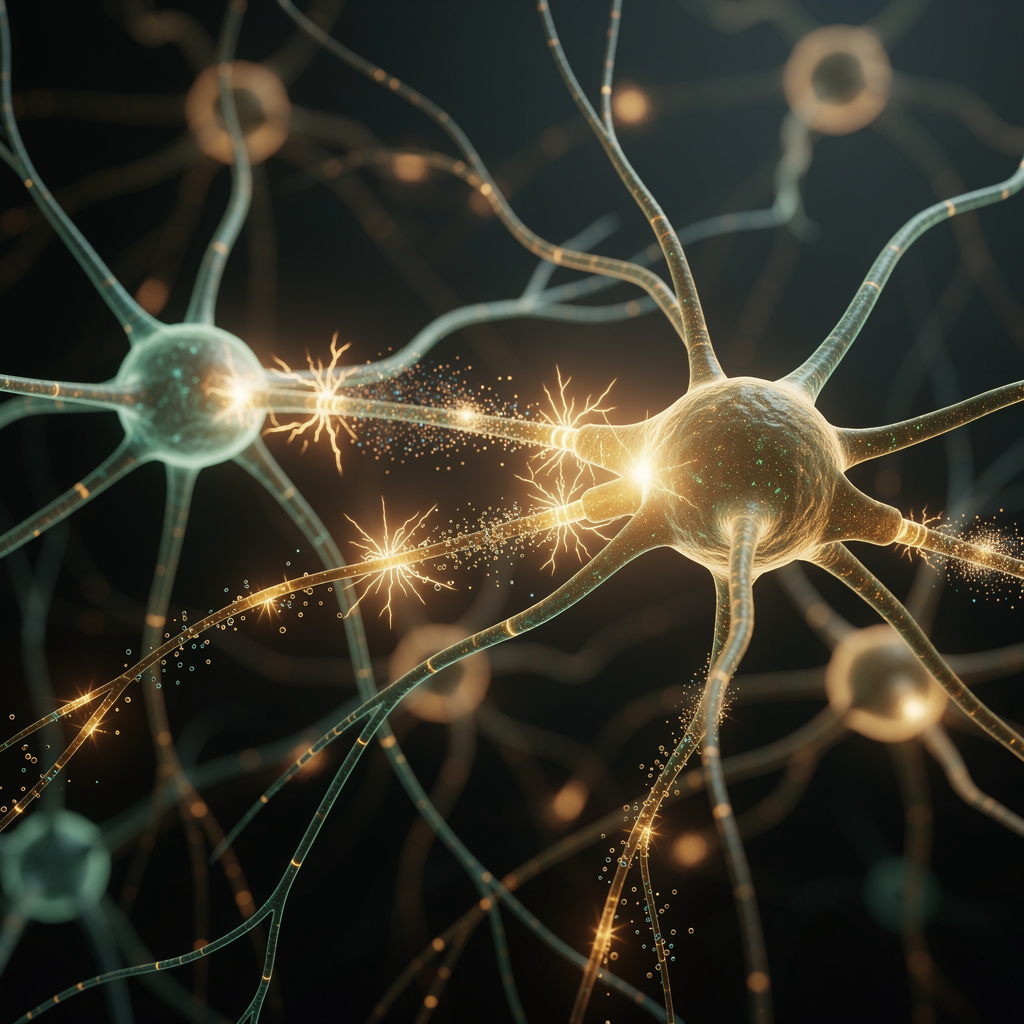
Before we talk about strategies, it helps to understand what happens inside your skull when you absorb new information. Learning happens when neurons form and strengthen connections, called synapses, in response to new experiences. The classic neuroscience adage applies: “Neurons that fire together, wire together.” Each time you recall or practice something, that neural pathway gets stronger. Think of it like a trail through a forest: the more you walk it, the clearer the path becomes.
The hippocampus, your brain’s memory center, encodes new information during learning. But the process does not stop there. During sleep, memories are consolidated and transferred to long-term storage in the neocortex. This is why a good night’s sleep is essential for learning, not just rest.
The most important concept here is neuroplasticity: your brain’s lifelong ability to reorganize itself by forming new neural connections. This continues well into adulthood, though it changes in speed and scope. Neuroplasticity is the reason adults can learn complex new skills at any stage of life, and it is the biological foundation that makes all of the strategies in this article possible.
If you have noticed that learning feels harder than it used to, there are real biological reasons for that. Understanding why is it harder to learn new things as you age can be empowering, because it helps you choose the right strategies instead of blaming yourself.
Processing speed gradually slows with age. It takes longer to encode new information, but the good news is that retention of what you actually learn remains largely intact. The hippocampus decreases in volume over time, affecting how quickly you absorb new material, and neurogenesis, the creation of new neurons, declines though some continues throughout life.
One factor gaining increasing attention is the decline of NAD+, a crucial coenzyme that supports brain energy metabolism, DNA repair, and neurotransmission. Research in BMC Neuroscience has documented significant age-dependent decreases in NAD+ levels, and this decline directly impacts cognitive function. Neurotransmitter systems also shift: dopamine, acetylcholine, and the glutamate/GABA balance all change, making it harder to sustain focus during learning.
However, here is what matters most: semantic memory and procedural memory hold steady or even improve with age. The changes are concentrated in episodic and working memory, which are exactly the areas that evidence-based strategies can strengthen. These changes are normal, not pathological, and they are highly responsive to the right interventions.
Now for the practical part. These five techniques are backed by decades of cognitive science research, and each one has been shown to significantly improve learning outcomes for adults. The best part? You can start using them today.
Active recall, also called retrieval practice, means actively trying to remember information rather than passively reviewing it. Instead of rereading your notes, you close the book and force your brain to pull the information out on its own.
The landmark Roediger and Karpicke study from 2006 found that students who practiced active recall retained approximately twice as much material after one week compared to those who only reread. A comprehensive review by Dunlosky and colleagues in 2013 rated practice testing as “high utility” across all learning contexts.
To apply this: After reading, close the book and write down everything you remember. Use flashcards, either physical or apps like Anki or Quizlet. Explain a concept to someone else without looking at your notes. These acts of retrieval strengthen neural pathways in the hippocampus and prefrontal cortex, the very areas most affected by aging.

Spaced repetition means reviewing information at gradually increasing intervals: day one, day three, day seven, day fourteen, and so on. Without review, we forget roughly half of new information within an hour and about 90% within a week. That steep drop-off is known as the Ebbinghaus Forgetting Curve.
Research by Cepeda and colleagues in 2008 demonstrated that spaced practice significantly outperforms cramming for long-term memory. For adult learners, spaced repetition is especially valuable because age does not diminish the benefits of distributed practice. To implement it, schedule study sessions at expanding intervals. Use spaced repetition software like Anki or Brainscape, or simply create a calendar system.
Interleaving means mixing different topics or skills during practice rather than focusing on one thing at a time. Although it feels harder, this “desirable difficulty” produces superior long-term learning by forcing your brain to discriminate between concepts.
Research from the Bjork Learning and Forgetting Lab at UCLA has shown interleaving benefits across mathematics, language acquisition, and other domains. For adults, interleaving works particularly well because mature brains are better at pattern recognition. A practical example: Instead of studying all of Section A then all of Section B, alternate between them. The initial struggle is a signal that deeper learning is happening.
Here is something fascinating about aging: it actually brings gains in socioemotional processing. Older adults prioritize emotionally meaningful information and are more motivated by social connection.
A 2024 study in Frontiers in Aging found that older adults learned a smartphone application more effectively when using socioemotional encoding strategies. The key insight is that connecting new information to emotional or personal meaning dramatically improves retention. How to apply this: Connect new information to personal experiences. Create stories around facts. Learn in a group setting or with a partner. Teach someone else what you are learning.
BDNF, or brain-derived neurotrophic factor, is a protein that supports neuronal plasticity and new neural growth. Exercise, particularly aerobic exercise, significantly increases BDNF levels, and timing matters more than you might think.
A randomized controlled trial in Nature Scientific Reports (2020) found that when older adults exercised before cognitive training, greater BDNF increases correlated with larger learning gains. Critically, exercise after cognitive training did not produce the same benefit. The recommendation: 20 minutes of moderate cardio (a brisk walk, jogging, or cycling) before studying or focused mental work. For more ways to keep your brain sharp, see our guide to daily brain exercises to boost memory and focus.
The strategies above work best when your brain has the raw materials it needs. Think of nutrition as the foundation that makes everything else possible.
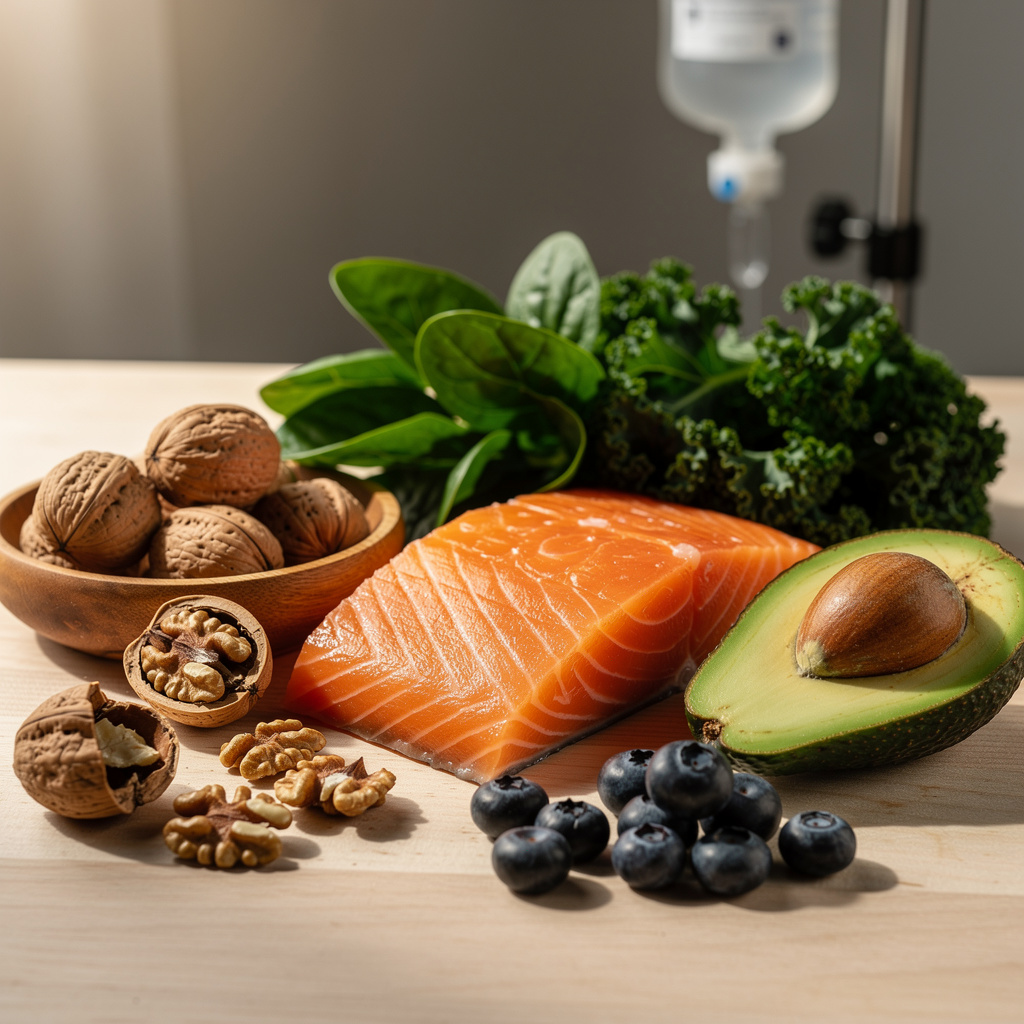
Omega-3 fatty acids are critical. DHA makes up roughly 40% of total fatty acids in the brain. The Framingham Heart Study found that higher DHA levels were associated with lower dementia risk, and a UT Health San Antonio study published in Neurology in 2022 found that a higher omega-3 index in middle-aged adults was associated with larger hippocampal volume and better abstract reasoning. See our guide to the best omega-3 foods for cognitive longevity for practical guidance.
B vitamins (B6, B9, B12) play a vital role. The VITACOG trial at Oxford found that B vitamins slow cognitive decline and brain atrophy, but only in people with adequate omega-3 levels. These nutrients work synergistically. Magnesium supports synaptic plasticity and NMDA receptor function, with Magnesium L-threonate being the form that best crosses the blood-brain barrier. And NAD+ precursors like NMN and NR show promise for supporting cognitive function as NAD+ levels naturally decline with age. For more, read our guide to brain-boosting nutrients and diets for cognitive health.
While whole foods and quality supplements form the foundation, some adults benefit from clinical support to optimize their brain’s nutritional status. This is where Infusion Health’s approach offers something unique.
As we discussed, NAD+ is a critical coenzyme for brain energy metabolism, DNA repair, and neurotransmission. Levels decline naturally with age, and this decline is associated with reduced cognitive function and slower learning. NAD+ therapy delivers NAD+ intravenously, bypassing the gut and achieving higher blood concentrations than oral supplementation. A pilot study found that IV NAD+ improved cognitive performance scores in healthy adults.
IV vitamin infusions can also help fill nutritional gaps that affect cognition. IV delivery of B-complex vitamins ensures rapid absorption, supporting neurotransmitter synthesis and energy metabolism, which is particularly helpful for adults with absorption issues, MTHFR gene variants, or high-stress lifestyles. These clinical interventions work alongside the strategies discussed in this article. They are not replacements for good habits, but they can accelerate results by ensuring your brain has the cellular resources it needs.
The learning techniques and nutritional strategies we have covered work even better when supported by the right lifestyle foundation. Sleep, stress management, and social engagement are multipliers that determine how well everything else works.
Sleep is perhaps the most critical factor. During deep NREM sleep, the brain replays recent experiences and consolidates them from short-term to long-term memory. The glymphatic system also clears metabolic waste, including amyloid beta, during sleep. Chronic sleep deprivation erodes this process, making learning progressively harder. Explore our article on how sleep enhances memory consolidation and learning for more detail.
Stress management matters because chronic stress elevates cortisol, which damages hippocampal neurons and impairs memory formation. Reducing stress through mindfulness, adaptogens, or clinical support protects the brain’s learning capacity. See our guides to adaptogens for stress and brain support and how chronic stress impacts the brain.
Social engagement is the third pillar. Learning in social contexts increases motivation, accountability, and emotional encoding. Research from the APA shows that learning multiple skills in a supportive environment helps older adults maintain cognitive function comparable to younger adults.
You now have the science. Here is how to put it all together for how to learn faster as you get older:

Learning faster and retaining more is not about talent or youth. It is about understanding how your brain works and giving it the right support. Here is what to remember:
If you are ready to take your cognitive health to the next level, our team at Infusion Health can help. Schedule a telemedicine consultation to discuss whether NAD+ therapy or IV vitamin infusions are right for your brain health goals.