30+ Years
of Medical Experience

Embarking on a detox plan can feel like a fresh start for your body, helping you reset and rejuvenate. But to truly support your body’s natural cleansing processes, what you eat plays a crucial role. Choosing the right ingredients allows you to maximize the benefits of a detox while promoting overall wellness. Incorporating specific, nutrient-packed foods into your daily routine can aid cleansing organs such as the liver, kidneys, and digestive system. In this comprehensive guide, we will explore a variety of powerful foods that can help you achieve a balanced and efficient detox journey.
Before diving into the specific foods that promote detoxification, it is essential to understand how these foods work within the body. Detoxification involves the removal of toxins that accumulate from environmental exposure, processed foods, and metabolic waste. Our liver, kidneys, skin, and digestive tract all contribute to this vital process. Certain foods naturally stimulate these organs’ ability to filter and expel harmful substances. These foods are often rich in antioxidants, fiber, vitamins, and minerals which collectively support the body’s cleansing pathways.
Whole foods form the foundation of an effective detox regimen. Unlike processed options filled with additives and preservatives, whole foods contain intact nutrients in their natural forms. This nutrient density is pivotal for boosting your metabolism, aiding digestion, and enhancing cellular repair. Consuming whole, unprocessed fruits, vegetables, grains, and lean proteins can optimize your body’s ability to flush out impurities.
Vegetables are among the most powerful allies in detox plans due to their high fiber content, antioxidants, and essential vitamins. Green leafy vegetables like kale, spinach, and Swiss chard provide chlorophyll, which has been shown to support liver function and protect against toxins. Broccoli and cauliflower contain compounds called glucosinolates that activate detox enzymes in the liver. Adding a diversity of these vegetables to your diet encourages natural detox mechanisms and aids in bowel regularity, preventing toxin buildup.
Leafy greens contain abundant vitamins A, C, and K, as well as minerals like magnesium and iron that support overall health. Their unique mix of phytonutrients and chlorophyll enhances the body’s capacity to neutralize and eliminate harmful substances. Consuming leafy greens regularly can improve digestion and help maintain a healthy gut microbiome, which plays an essential role in toxin management.
Cruciferous vegetables such as Brussels sprouts, cabbage, and turnips contain sulfur-containing compounds that aid phase two detoxification pathways, where the body transforms fat-soluble toxins into water-soluble forms for easier excretion. These vegetables also promote beneficial gut bacteria which further supports the detoxification cycle. Including them in daily meals can enhance liver cleansing and overall health.
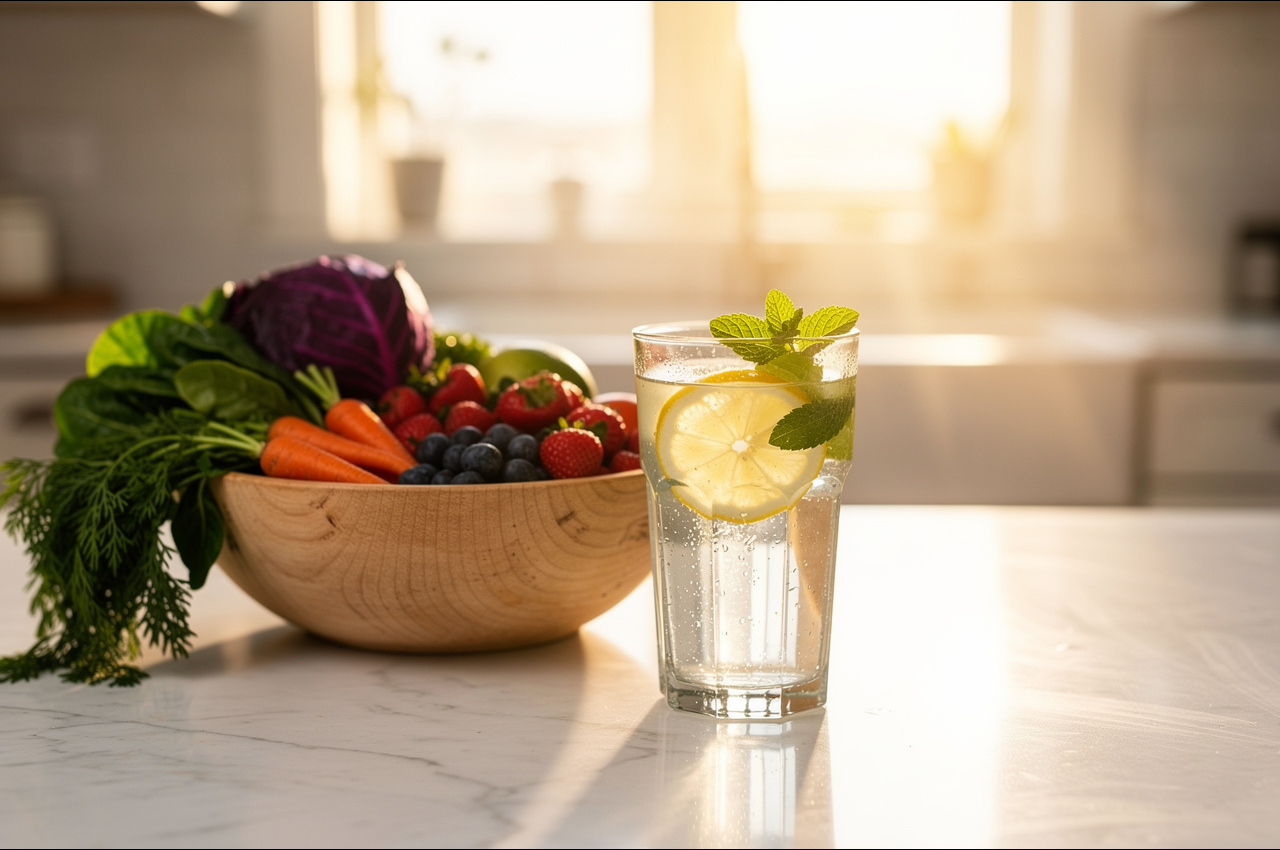
Fruits are integral to any detox plan because they supply natural sugars, vitamins, and powerful antioxidants. Berries such as blueberries, strawberries, and raspberries are packed with antioxidants that combat oxidative stress and reduce inflammation, which often accompanies toxin overload. Citrus fruits like lemons and oranges provide a good dose of vitamin C, which has been shown to support liver health and boost immune defense.
Eating a rainbow of fruit colors ensures a range of phytochemicals that promote detox processes. For example, the carotenoids in oranges and mangoes improve liver function and protect cellular DNA from damage caused by toxins. Additionally, fruits high in soluble fiber, such as apples and pears, aid digestion by regulating bowel movements and binding toxins for elimination.
Whole grains contribute significantly to detox routines by improving digestive health and maintaining steady energy levels. Brown rice, quinoa, oats, and barley contain insoluble and soluble fibers that promote regular bowel movements. This efficient elimination of waste prevents toxins from lingering in the digestive tract and being reabsorbed. Furthermore, whole grains contain essential B vitamins that play a pivotal role in liver detoxification pathways.
Fiber acts like a natural broom sweeping through your intestines to carry out waste material. It also feeds healthy gut bacteria, which help metabolize and break down toxins. Including a variety of fiber-rich grains in your meals will support both digestive function and detoxification processes, enhancing your overall well-being.
Beans, lentils, and peas are excellent plant-based protein sources that also support your body’s detox function. Legumes are high in fiber and contain proteins that assist with liver repair and regeneration. The folate and magnesium present in legumes contribute to enzymatic processes linked to toxin breakdown. Their low glycemic index also helps regulate blood sugar, preventing oxidative stress linked to insulin surges.
Not all fats are detrimental; in fact, certain healthy fats are crucial elements in detoxification. Omega-3 fatty acids found in fatty fish like salmon, flaxseeds, and walnuts reduce inflammation and support liver cell membranes. These fats aid in transporting toxins out of cells and contribute to hormone balancing, which is critical during detoxification periods. Additionally, oils like extra virgin olive oil contain antioxidants that further assist liver function.
Hydration plays a vital role when you are pursuing a detox plan. Water is the main fluid that flushes waste products through the kidneys and urinary tract. Incorporating hydrating foods like cucumbers, watermelon, and celery complements fluid intake by delivering vitamins and minerals along with water content. Herbal teas such as dandelion root and green tea stimulate liver function and promote toxin clearance.
The subtle power of spices and herbs in your detox plan should not be overlooked. Turmeric contains curcumin, which has documented anti-inflammatory and liver-supportive effects. Ginger enhances digestion and circulation, helping your body process and eliminate toxins more effectively. Cilantro and parsley possess binding properties that may assist in removing heavy metals and chemical residues from the body.
Building detox-friendly meals around these ingredients does not need to be complicated. Start your mornings with a green smoothie enhanced with leafy greens, berries, chia seeds, and a splash of lemon juice. Lunches can feature colorful salads with quinoa, steamed cruciferous vegetables, and a drizzle of olive oil. Dinners might include baked salmon paired with roasted root vegetables like beets and sweet potatoes. Snacking on fruits and nuts between meals keeps energy steady and supports metabolic cleansing.
Overall, a balanced approach that integrates a variety of these detox-supportive foods consistently will yield the best results both immediately and in the long term.
Choosing foods that naturally aid in detoxification can radically improve your health journey by supporting key organs and systems responsible for eliminating toxins. When combined with adequate water intake and a balanced lifestyle, these nutritional choices help cleanse your body and promote clarity, energy, and vitality. For those seeking personalized advice and deeper understanding about detox protocols tailored to individual needs, it is valuable to consult with health experts.
If you are interested in further information or guidance on implementing a safe and effective detox plan, please reach out to the friendly staff at Infusion Health. You can connect with us by using our CONTACT FORM, sending an EMAIL, or calling us directly at +1 (520) 396-4866. A staff member from Infusion Health will be happy to get in touch with you to help support your wellness journey with expert insights and personalized recommendations.