30+ Years
of Medical Experience

You may have heard about intermittent fasting for weight loss, but did you know it can also help repair your digestive system at a cellular level? Research shows that the timing of your meals plays a powerful role in healing your gut lining, balancing your microbiome, and reducing chronic inflammation. In this article, we will walk you through how intermittent fasting triggers digestive repair, what the science says, and how you can use fasting safely to support your gut health.
Intermittent fasting (IF) is an eating pattern that cycles between periods of eating and fasting. Unlike traditional diets that focus on what you eat, intermittent fasting focuses on when you eat. It is not about cutting calories or eliminating food groups. It is about giving your digestive system structured periods of rest.
The most common protocols include:
What makes intermittent fasting unique for digestive health is the biological cascade it triggers once your body goes several hours without food. After about 12 to 14 hours without eating, your body shifts from burning glucose to burning stored fat. This metabolic switch activates autophagy, and it is where the real magic of gut repair begins.
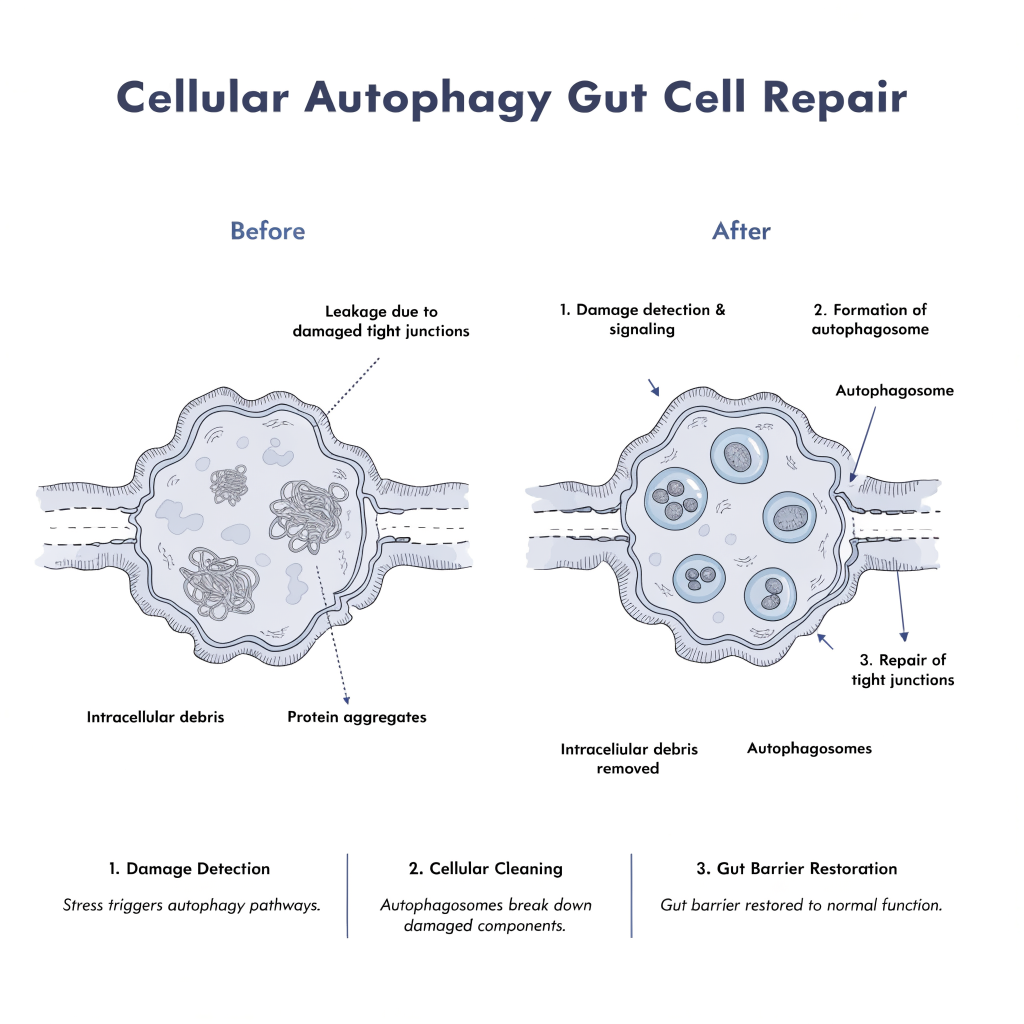
When you fast for 12 to 16 hours, your body enters a state called metabolic switching, where it transitions from burning glucose to burning stored fat. This shift activates autophagy, your body’s cellular cleanup and recycling system. Think of it as your cells taking out the trash and doing spring cleaning at the molecular level.
Autophagy targets damaged proteins, worn-out cell components, and inflammation-causing debris in your intestinal cells, breaking them down and recycling them into raw materials your body can reuse. A 2024 study published in PMC found that during fasting, autophagy specifically targets damaged tight junction proteins in the gut lining, clearing out the cellular “junk” that contributes to intestinal permeability, commonly known as leaky gut (Nys et al., 2024).
What is particularly exciting is how fasting elevates a molecule called NAD+, which activates a protein called SIRT1. This activation supports the initiation of autophagy, giving your gut repair process an additional boost (Saha et al., 2025). If you are interested in how NAD+ therapy can complement fasting, our nutrient IV therapy services are designed to optimize this exact pathway.
Your gut lining is a single layer of cells, just one cell thick, that forms a barrier between the contents of your digestive tract and the rest of your body. These cells are held together by specialized proteins called tight junctions, which act like tiny gates controlling what passes through your intestinal wall.
When those tight junctions weaken, your gut becomes more permeable. This condition, often called “leaky gut,” allows partially digested food particles, toxins, and bacteria to slip through the gut barrier and into your bloodstream. Your immune system then sounds the alarm, triggering inflammation that can affect everything from your joints to your brain.
Fasting-induced autophagy strengthens your gut barrier in two key ways:
Think of your gut lining as a brick wall. Autophagy is the mortar repair crew: it removes crumbling bricks (claudin-2) and replaces them with solid ones (occludin), restoring the wall’s integrity. This dual mechanism, removing leaky proteins while increasing sealing proteins, is unique to fasting-induced autophagy.
Intermittent fasting does not just repair your gut lining. It also reshapes the trillions of bacteria living in your digestive tract. Your gut microbiome plays a central role in digestion, immune function, and mental health through the gut-brain axis. Fasting increases microbial diversity, creating a more resilient gut ecosystem.
Research published in PMC found that fasting dramatically increases Akkermansia muciniphila, a beneficial bacterium that can expand up to 100-fold during fasting periods (PMC, 2025). This bacterium stimulates mucin production, the protein forming your intestinal mucus layer. A thicker mucus layer means a stronger barrier against pathogens and irritants.
Fasting also promotes short-chain fatty acid (SCFA)-producing bacteria like Faecalibacterium prausnitzii and Roseburia. SCFAs fuel your colon cells, reduce inflammation, and support immune regulation. A 2024 systematic review in Frontiers in Nutrition confirmed that intermittent fasting consistently increases microbial richness and alpha diversity in human subjects (Paukkonen et al., 2024).
The bottom line: fasting does not just “clean out” your gut. It actively cultivates a more diverse, beneficial microbiome that supports better digestion and stronger immune function. Learn more about the broader gut-immune connection in our article on top supplements for autoimmune health.
Chronic low-grade inflammation in the gut contributes to many digestive conditions, including IBS, inflammatory bowel disease, and general digestive discomfort. Intermittent fasting addresses this through several complementary mechanisms.
First, autophagy clears inflammatory cytokines (signaling molecules that promote inflammation) and reduces oxidative stress in intestinal cells. Second, fasting periods give your digestive system a physical rest, reducing the inflammatory burden that comes from constant digestion.
A 2026 study by Miao et al. in Frontiers in Nutrition found that 12-hour fasting periods optimized gut barrier protection, while 24-hour fasts could trigger negative effects (Miao et al., 2026). This is an important nuance: shorter, consistent fasts in the 12 to 16-hour range appear to be the “sweet spot” for gut health. Excessively long fasts without medical supervision may increase risk rather than reduce it.
A separate 2025 review confirmed that intermittent fasting improves gut microbiome diversity and reduces inflammatory markers in human subjects (PMC, 2025). The findings reinforce what we see in clinical practice: moderate fasting is protective, but more is not always better.
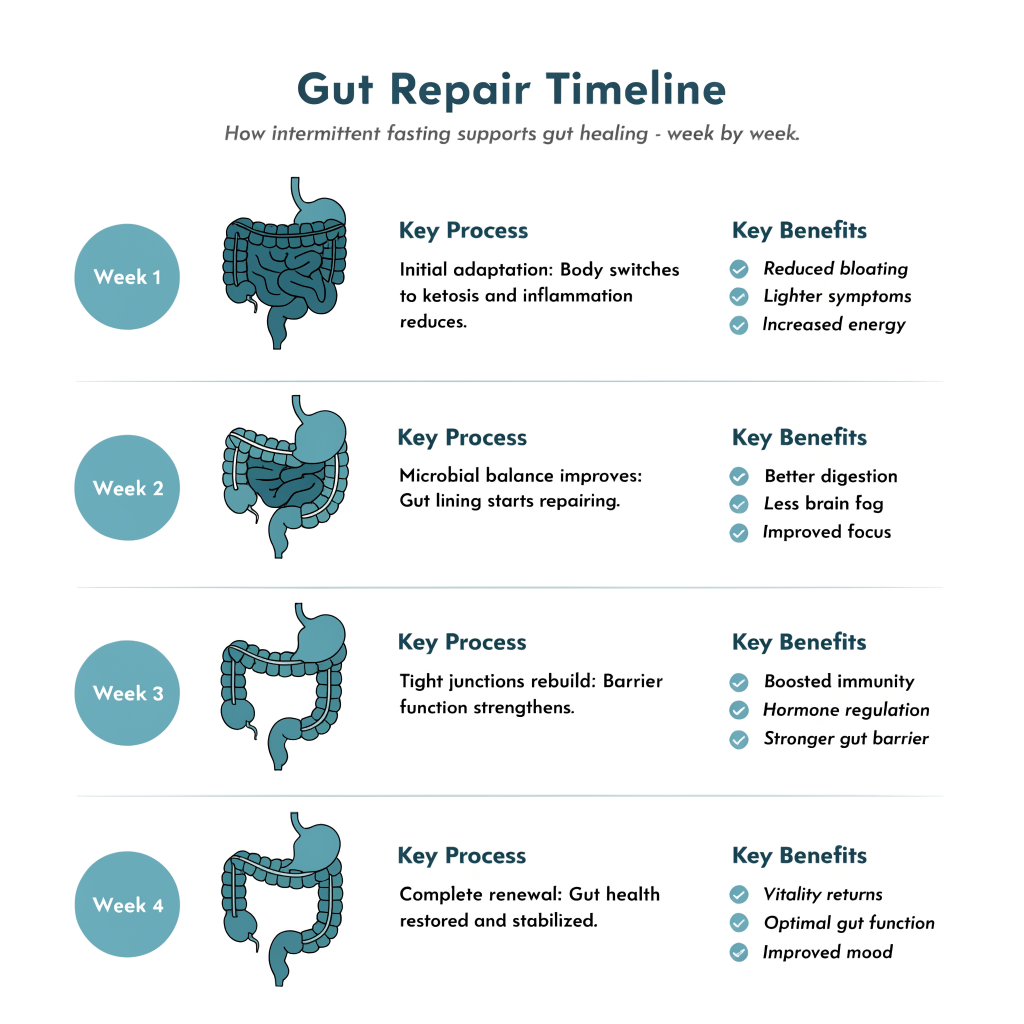
One of the most common questions is: how long does intermittent fasting take to repair your gut? The honest answer is that it varies by individual, but here is a general timeline based on research and clinical experience.
Week 1: Adaptation Phase. Your body adjusts to the new eating schedule. You may notice reduced bloating as your digestive system gets a break from constant food processing. Your microbiome starts shifting, though dramatic changes are unlikely this early.
Weeks 2 to 3: Autophagy Ramps Up. This is when the real repair work begins. Autophagy increases and your gut tight junctions start to regenerate. Some people experience temporary adjustment symptoms like mild digestive changes or increased hunger, which typically resolve as your body adapts.
Weeks 4 to 6: Noticeable Improvements. Most people feel tangible benefits: less bloating, more comfortable digestion, and more regular bowel movements. Microbiome diversity continues to increase as the gut barrier strengthens.
Weeks 8 to 12: Full Repair Cycle. For many people, the most significant improvements emerge here: decreased inflammatory markers, measurably improved gut lining integrity, and more consistent digestive comfort.
Timelines vary based on your starting point, the severity of existing gut damage, diet quality during eating windows, and overall consistency. Patience is key. Your gut took time to develop issues, and repair takes time too.
Not all fasting protocols are created equal when it comes to gut repair. Here are the best approaches, ranked from most accessible to most advanced:
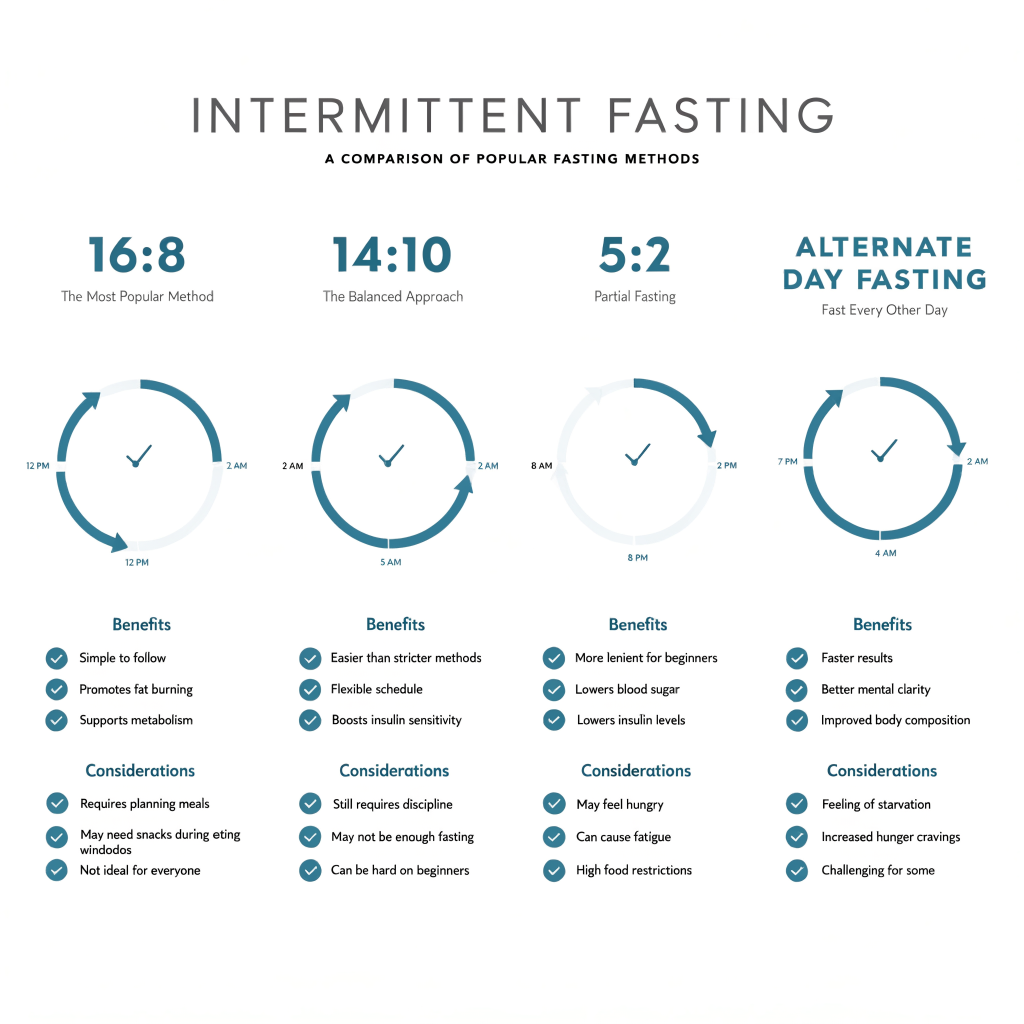
For most people seeking digestive repair, we recommend starting with the 14:10 protocol for the first two weeks, then progressing to 16:8 as your body adapts. Quality of food during your eating window matters just as much as fasting itself. Nutrient-dense, whole foods give your gut the building blocks it needs to repair.
This is also where targeted nutritional support makes a meaningful difference. Nutrient IV therapy during your refeeding window can deliver essential vitamins and minerals directly into your bloodstream, bypassing a digestive system that is still in repair mode.
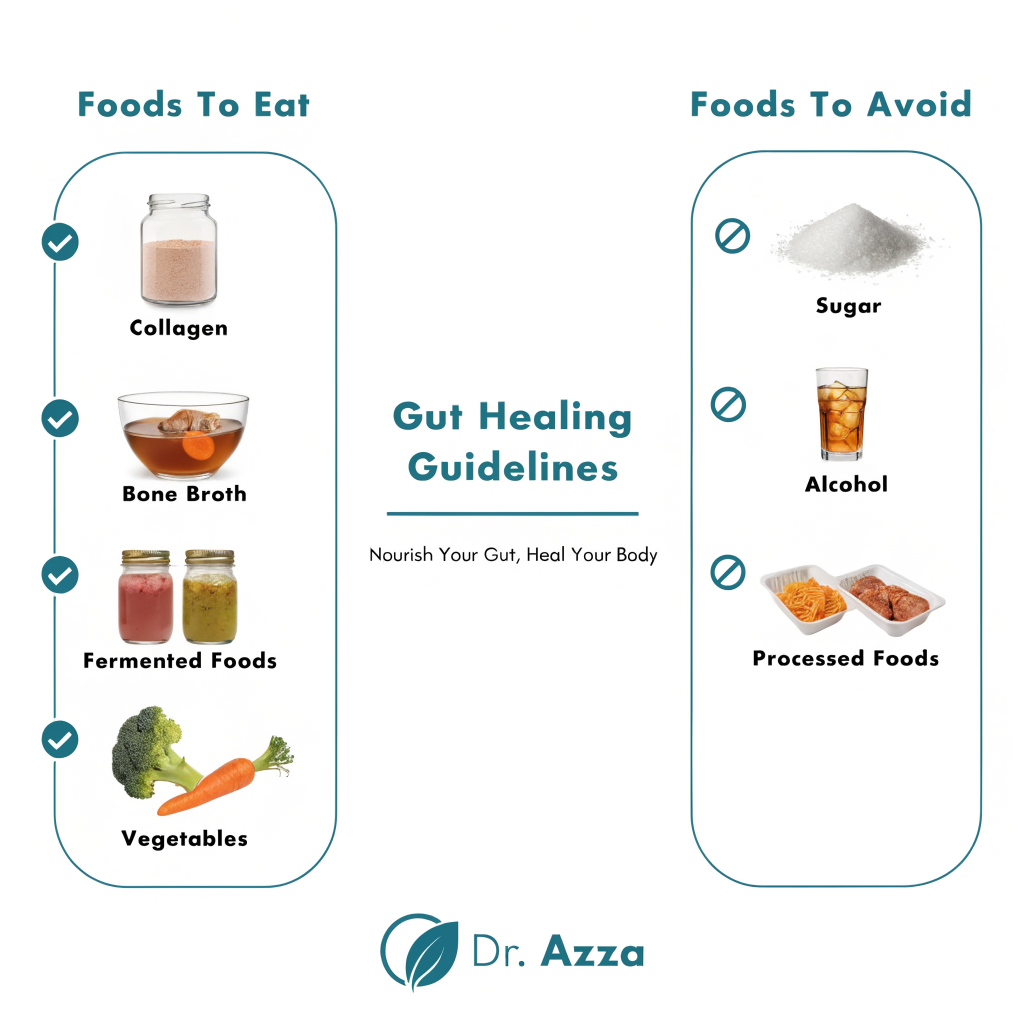
What you eat during your eating windows directly impacts how quickly and effectively your gut repairs itself. Fasting creates the conditions for repair, but the nutrients you provide during eating windows supply the raw materials your body needs to rebuild.
These are the key nutrients your gut needs during repair:
Fermented foods like yogurt, sauerkraut, and kimchi provide probiotics that support microbiome diversity. Fiber-rich vegetables feed the beneficial bacteria that produce short-chain fatty acids. These foods work synergistically with fasting to accelerate gut repair. For a deeper dive into plant-based options, explore our guide to natural herbs for gut repair and digestive health.
On the flip side, processed foods, excess sugar, alcohol, and artificial sweeteners can damage tight junctions and promote inflammation. During your eating windows, prioritizing whole, nutrient-dense foods makes a real difference in outcomes. If you are looking for guidance on choosing the right supplements for gut health, focus on the essentials listed above. For some people, especially those with compromised absorption, IV vitamin therapy can bypass the gut entirely and deliver nutrients directly into the bloodstream.
While intermittent fasting offers significant benefits for digestive health, it is not appropriate for everyone. Please consult a healthcare provider before starting a fasting protocol if any of the following apply to you:
Warning signs that mean you should stop fasting and seek medical advice include: persistent abdominal pain, severe digestive distress, unintended weight loss, or dizziness during fasting periods.
At Infusion Health, we take a personalized approach to gut health. Our practitioners can assess whether fasting is appropriate for your situation and recommend complementary therapies that accelerate your progress. Therapies like NAD+ therapy and IV nutrient infusions support your fasting protocol by delivering compounds that enhance autophagy and provide building blocks for gut repair. If you are exploring weight management, our medical weight loss programs offer a structured, medically supervised path forward.
Your gut is remarkably resilient, and intermittent fasting gives it the conditions it needs to heal. Whether you are dealing with chronic digestive issues or simply want to optimize your gut health, the science is clear: fasting is one of the most accessible, evidence-based tools available.
Ready to explore how intermittent fasting and targeted nutrient therapy can support your digestive health? Contact Infusion Health to learn more about our evidence-based approach to gut repair. Our team can help you design a personalized plan that combines the right fasting protocol with complementary therapies for optimal results.