30+ Years
of Medical Experience

Semaglutide is a medication that has gained significant attention recently for its ability to aid in weight loss. Originally developed to help manage blood sugar levels in people with type 2 diabetes, its potential for weight management in individuals without diabetes is becoming more apparent. This shift has sparked considerable interest and debate about the safety and effectiveness of semaglutide for non-diabetic weight loss.
The desire to lose weight safely and effectively is common, and many seek options beyond traditional diet and exercise. With the rise of semaglutide as a possible aid, it is important to understand how this medication works, what benefits it may offer, and any risks associated. This detailed exploration will address these aspects while providing essential insights for anyone considering semaglutide for weight reduction.
Semaglutide is a synthetic version of a naturally occurring hormone called glucagon-like peptide-1 (GLP-1). This hormone is produced in the gut and helps regulate blood sugar by enhancing insulin secretion after meals and reducing glucagon production. These effects help control blood sugar levels, which is why semaglutide was initially developed as a treatment for type 2 diabetes.
Its ability to mimic GLP-1 also influences appetite regulation. By acting on areas of the brain that control hunger, semaglutide can reduce feelings of hunger and increase feelings of fullness. This appetite-suppressing property has led to research on using semaglutide for weight loss in people who are overweight or obese, including those without diabetes.
Semaglutide works through the central nervous system by modulating hunger signals. It slows gastric emptying, which means food stays in the stomach longer, contributing to a sensation of fullness. This effect reduces overall calorie intake naturally.
Additionally, the medication may affect energy expenditure and fat metabolism, though these mechanisms are less well understood. Clinical studies have demonstrated significant weight loss outcomes with semaglutide compared to placebo in individuals without diabetes, highlighting its potential as a weight management medication.
While semaglutide was first approved for diabetes management under brand names like Ozempic, its formulation under the brand Wegovy has received approval specifically for chronic weight management in adults with obesity or overweight conditions accompanied by at least one weight-related condition such as hypertension or high cholesterol.
For non-diabetic individuals struggling with weight loss resistant to lifestyle changes alone, semaglutide offers a therapeutic option. However, many clinicians approach its use for non-diabetics cautiously, often classifying it as off-label unless prescribed specifically under a weight loss indication like Wegovy.
Semaglutide is generally considered for adults who have a body mass index (BMI) of 30 kg/m2 or higher, or those with a BMI of 27 kg/m2 accompanied by comorbidities related to weight. This means individuals without diabetes but classified as overweight or obese and experiencing health risks associated with excess weight are ideal candidates.
Nevertheless, physicians must conduct thorough evaluations to determine if semaglutide is appropriate, considering personal health history, current medications, and potential contraindications before initiating this treatment.
Multiple clinical trials have established the significant impact of semaglutide on weight loss in non-diabetic populations. A key study published in the New England Journal of Medicine found that participants treated with semaglutide achieved an average weight reduction of nearly 15% of their body weight over 68 weeks, compared to a 2.4% loss in the placebo group.
This notable difference demonstrates that semaglutide is more effective than many existing medications and weight loss interventions, particularly when combined with lifestyle modifications such as diet and exercise.
Compared to traditional weight loss medications, semaglutide offers a unique mechanism of action through GLP-1 receptor agonism. Many older drugs focus on suppressing appetite through different neurotransmitter pathways or increasing metabolism, sometimes with less profound or less sustainable results.
Semaglutide’s ability to impact both appetite and gastric processes gives it an edge in effectiveness and durability of weight loss. However, it is typically more expensive and requires injections, which are factors to consider when choosing treatment options.
Many people using semaglutide experience mild to moderate side effects, most of which relate to the digestive system. Nausea is the most frequently reported complaint, followed by symptoms such as vomiting, diarrhea, constipation, and abdominal pain. These effects often occur during the initial titration phase and tend to decrease over time as the body adjusts.
Although uncommon, more severe side effects can occur. These include pancreatitis, changes in kidney function, or allergic reactions. There is also a theoretical risk of thyroid C-cell tumors based on animal studies, but human data have not confirmed this risk. Due to this potential, individuals with a personal or family history of medullary thyroid carcinoma or multiple endocrine neoplasia syndrome type 2 are advised against using semaglutide.
Regular monitoring by healthcare providers is essential to detect any adverse events early and manage them promptly.
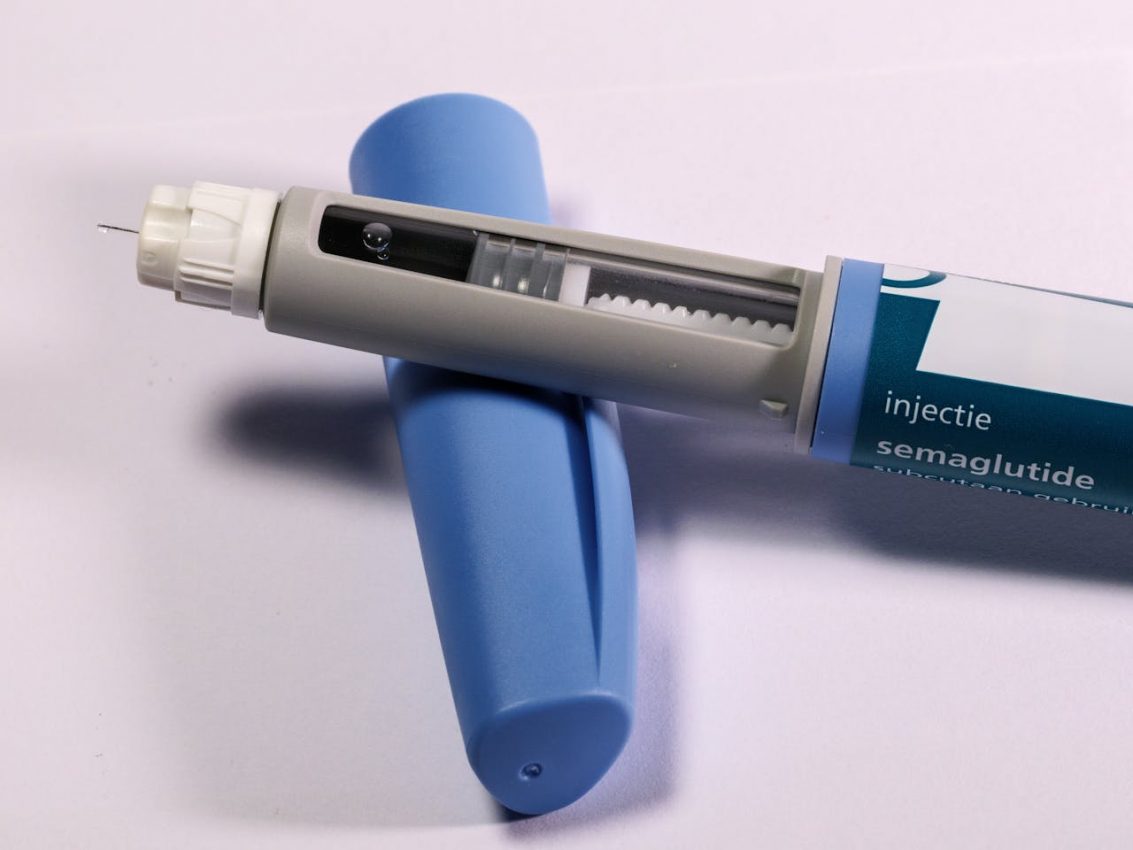
Semaglutide is typically administered via a once-weekly subcutaneous injection. Treatment usually begins with a low dosage to minimize side effects and is gradually increased over several weeks until the target dose is reached. This step-up approach allows the body to adjust to the medication more comfortably.
Adhering to the dosing schedule is important for maintaining effective blood levels of the drug and achieving the desired weight loss results.
While semaglutide offers impressive weight loss benefits, it is most effective when combined with sustainable lifestyle changes. This includes eating a nutritionally balanced diet, engaging in regular physical activity, and adopting healthy behavioral practices that support weight management.
Medication alone is not a magic solution; rather, it acts as an aid that enhances efforts toward a healthier body composition.
One frequent misconception is that semaglutide is a simple shortcut to weight loss without effort. In reality, semaglutide facilitates weight reduction by helping control appetite but still requires commitment to good nutrition and lifestyle habits. Relying solely on the medication without behavioral changes is unlikely to yield optimal or lasting outcomes.
Some individuals worry that they will regain weight once they stop treatment. Research indicates that weight regain can occur if lifestyle changes are not maintained after discontinuing semaglutide. Like many weight management medications, ongoing strategies to support healthy living remain critical to sustaining weight loss long term.
Individuals with certain medical conditions should discuss risks carefully with their healthcare providers before starting semaglutide. Those with a history of pancreatitis or severe gastrointestinal disease may be at greater risk of complications.
Semaglutide is not recommended for use during pregnancy or breastfeeding, as its effects in these populations are not well studied.
Since semaglutide can slow gastric emptying, it may affect the absorption of oral medications. Patients should inform their healthcare provider of all current medications to assess potential interactions. Adjustments to medication timing or dosages might be necessary to ensure efficacy and avoid adverse reactions.
Success with semaglutide involves understanding that weight loss is gradual and individualized. Results vary based on factors like adherence, starting weight, and lifestyle factors. Setting achievable goals helps maintain motivation and prevents discouragement during the process.
Regular follow-up visits with healthcare professionals help track progress, manage side effects, and adjust treatment plans as needed. Being proactive in communicating any concerns or questions enhances the overall experience.
Weight loss can impact self-image and mental health. Seeking support from counselors, support groups, or health coaches can provide essential encouragement and guidance alongside semaglutide therapy.
Semaglutide represents a promising advancement in medical weight management for people without diabetes who struggle with overweight or obesity. Its clinically demonstrated effectiveness and relative safety make it an attractive option for many. However, it’s vital to remember that semaglutide is most powerful when integrated into a comprehensive weight loss plan involving diet, exercise, and behavioral support.
Potential side effects, contraindications, and cost considerations should be thoroughly evaluated with a qualified healthcare provider before beginning treatment. If you are interested in learning more about semaglutide and how it might fit into your journey toward a healthier weight, reaching out to professionals experienced in weight management therapies is a crucial next step.
For individuals seeking personalized advice or to explore semaglutide treatment options, contacting the friendly staff at Infusion Health is strongly encouraged. You can reach out via our CONTACT FORM, send an email to info@infusionhealth.org, or call us directly at +1 (520) 396-4866. A dedicated staff member from Infusion Health will be in contact promptly to provide further information and discuss your needs.