30+ Years
of Medical Experience

If you’ve been doing everything “right” and still watching the scale refuse to budge, you’re not alone. Hypothyroidism weight gain is one of the most common and frustrating challenges our patients bring to us. The good news? There are real, evidence-based strategies that can help you manage weight gain with hypothyroidism, even when your thyroid is working against you.
In this guide, we’ll walk you through nine practical tips for managing weight gain with hypothyroidism. These aren’t generic diet tips. They’re strategies tailored to the unique hormonal and metabolic challenges that come with an underactive thyroid. Whether you’ve just been diagnosed or have been managing hypothyroidism for years, there’s something here for you.

Before we dive into solutions, it helps to understand what’s happening inside your body. Your thyroid gland produces two key hormones, T3 and T4, which regulate your basal metabolic rate (BMR), the number of calories your body burns just to keep you alive.
When your thyroid is underactive, your metabolism can slow by 15 to 40 percent, according to research published in the Journal of Clinical Endocrinology and Metabolism. That means you could be eating the exact same diet as someone with a healthy thyroid and still gaining weight. It’s not in your head, and it’s not a willpower problem. It’s biology. Understanding the science behind how thyroid dysfunction affects your metabolism is the first step toward taking control.
This is the most important step you can take. If your thyroid medication isn’t properly optimized, no amount of diet or exercise will fully compensate. Weight gain is often one of the first signs that your current dosage needs adjustment.
Our patients often tell us that simply getting their medication dialed in was the turning point. If you’ve been feeling stuck, this is where to start.
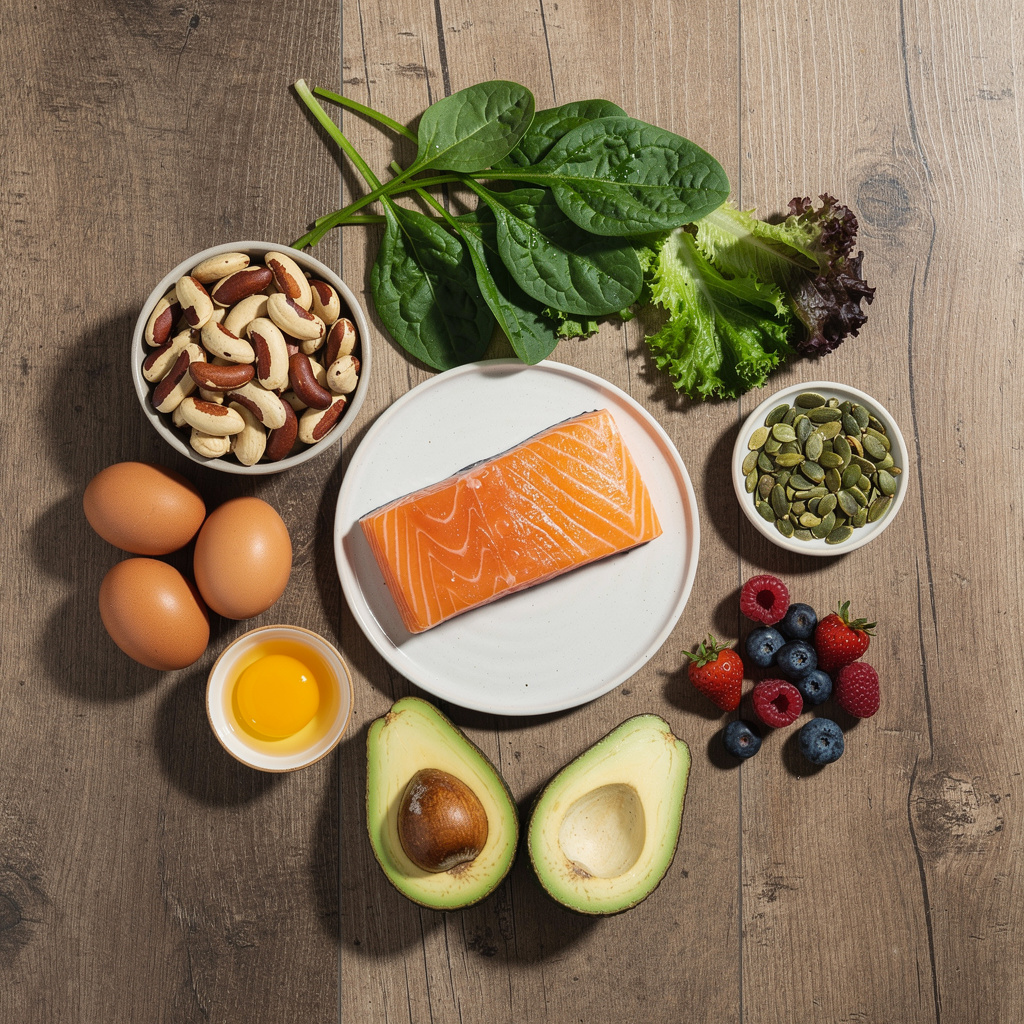
What you eat matters enormously when your thyroid isn’t firing on all cylinders. Certain nutrients play a direct role in thyroid hormone production and conversion, and getting enough of them can make a measurable difference in how you feel and how your body manages weight.
A 2017 study in the European Thyroid Journal found that selenium supplementation significantly reduced thyroid antibody levels in patients with Hashimoto’s thyroiditis. For a deeper dive into what to eat and what to avoid, check out our complete guide to thyroid-supportive foods.
One critical note: Avoid crash diets. Extremely restrictive eating (below 1,200 calories) can further suppress your already-slowed metabolism, making weight loss even harder.

If there’s one type of exercise that deserves a starring role in your routine, it’s strength training. Muscle tissue burns significantly more calories at rest than fat tissue. When your metabolism is already slowed by hypothyroidism, building and maintaining muscle becomes one of the most powerful tools you have to counteract that slowdown.
Research published in the Journal of Clinical Endocrinology and Metabolism has shown that resistance training can increase resting metabolic rate by up to 7 percent. That may sound modest, but over months, it adds up to meaningful calorie expenditure.
Start slow and listen to your body. Even 20 minutes of strength training, three times a week, makes a noticeable difference in energy levels and weight management over 8 to 12 weeks.
Poor sleep doesn’t just make you tired. It actively works against your weight loss goals through several biological pathways. When you don’t get enough quality sleep, your body produces more cortisol, which suppresses TSH and T4 production. At the same time, sleep deprivation disrupts your appetite hormones: ghrelin (hunger) goes up, and leptin (fullness) goes down.
A study from the National Sleep Foundation found that adults who slept fewer than 6 hours per night had significantly higher rates of obesity compared to those sleeping 7 to 9 hours.

Chronic stress doesn’t just affect your mood. It directly interferes with your thyroid. Elevated cortisol inhibits TSH production and impairs the conversion of T4 to T3. On top of that, high cortisol promotes visceral fat storage, the deep abdominal fat linked to inflammation and metabolic disease. Managing stress isn’t a luxury for thyroid patients; it’s a medical necessity.
Certain supplements can fill nutritional gaps that support thyroid function and make weight management easier. But medical guidance is essential here.
Always consult your doctor before starting any supplement. Calcium and iron should be taken at least 4 hours apart from levothyroxine, as they can significantly reduce absorption. Avoid unregulated “thyroid support” supplements that may contain actual thyroid hormone without proper labeling.
The golden rule: blood test first, supplement second. Don’t guess about what you’re deficient in.

If the scale is your only measure of progress, you’re getting an incomplete picture. Water retention, inflammation shifts, and hormonal fluctuations can all mask fat loss on the scale.
Non-scale victories are real wins. If your energy is up and your clothes fit better, that’s genuine progress, even if the number on the scale hasn’t moved much yet.
Realistic hypothyroidism weight loss is typically 0.5 to 1 pound per week. That may feel painfully slow, but it’s actually healthy, sustainable progress. The average person with properly managed hypothyroidism can expect results similar to someone without thyroid issues, but it takes more time and consistency.
Setbacks will happen: medication adjustments, periods of high stress, seasonal changes. These are normal, not failures. Research from the National Institutes of Health emphasizes that sustainable weight management is about long-term habit formation, not short-term dieting. Celebrate small wins consistently. Did you strength train twice this week instead of once? That’s a victory.
Managing hypothyroidism can feel isolating, especially when friends or family don’t fully understand the metabolic challenges involved. “Just eat less and exercise more” misses the mark for thyroid patients, and hearing it repeatedly can be demoralizing.
Avoiding these pitfalls can save you months of frustration:
For some patients, diet, exercise, and medication optimization aren’t enough to reach their goals. That’s not a failure; it’s a signal that you may benefit from additional therapeutic support.
At Infusion Health, our medical team provides comprehensive weight management support, from hormone optimization to medical weight loss programs designed specifically for people managing thyroid conditions. If you’ve been doing everything right and still feel stuck, we’d love to help you explore what’s possible.
Can you lose weight with hypothyroidism?
Yes. With proper medication management, a supportive diet, appropriate exercise, and consistent lifestyle habits, weight loss is achievable. It may be slower than someone without thyroid issues, but it is absolutely within reach.
How much weight do you typically gain with hypothyroidism?
Most people gain 5 to 10 pounds during the initial onset. Some may gain more depending on severity. With proper treatment, many find this weight stabilizes and begins to decrease.
Why is it so hard to lose weight with hypothyroidism?
Because hypothyroidism slows your basal metabolic rate, reduces energy expenditure, and alters how your body processes nutrients. The same calorie intake and exercise routine may not produce the same results as before.
Does hypothyroidism cause belly fat?
It can contribute to midsection weight gain due to metabolic slowdown and hormonal shifts. However, with proper treatment and lifestyle changes, this is reversible over time.
What is the best exercise for hypothyroidism?
A combination of strength training (2 to 3 times per week) and moderate cardio (walking, swimming, cycling). Avoid excessive high-intensity exercise, which can spike cortisol and further suppress thyroid function.
Managing weight gain with hypothyroidism isn’t easy, but it is possible. You’ve already taken the first step by educating yourself. Now pick one or two strategies from this list and start there. Small, consistent actions compound over time, and every step forward counts. If you’re ready for personalized support, reach out to our team and let’s talk about what might work best for you.