30+ Years
of Medical Experience

If bloating, gas, abdominal pain, or irregular digestion keeps showing up no matter what you eat or which over-the-counter remedies you try, you are probably tired of guessing. You are not alone.
Irritable bowel syndrome alone affects 10 to 15 percent of adults in the United States, and many more people live with digestive symptoms that never receive a clear explanation (American College of Gastroenterology). Functional medicine offers a different path.
This guide walks through how a functional medicine approach to digestive issues works: what practitioners ask, what they test, and how they find the root cause.
Digestive trouble has a way of interrupting daily life. A bloated feeling after lunch, unexpected gas during a meeting, or a stomachache that ruins a good day can quickly become a pattern.
Many people try cutting out dairy, gluten, or sugar. Others start a probiotic and hope for the best. When those steps do not bring lasting relief, it is easy to feel stuck.
Here is an important insight. When symptoms persist despite elimination diets, probiotics, or conventional care, the problem may not be what you are eating. It may be what is happening beneath the surface.
Functional GI disorders are common. The American College of Gastroenterology reports that IBS affects 10 to 15 percent of adults in the United States (ACG).
You are not alone, and you do not have to keep guessing. That is where functional medicine comes in.

Functional medicine is a patient-centered, systems-based approach that seeks the root causes of health problems rather than treating symptoms in isolation. The National Center for Complementary and Integrative Health (NCCIH) notes that “functional medicine” sometimes refers to a concept similar to integrative health, an approach with “an emphasis on treating the whole person rather than, for example, one organ system” (NCCIH).
In practice, this means your practitioner looks at digestion, hormones, immune function, and the nervous system as connected parts of one system. The naturopathic doctors (NMDs) at Infusion Health train in these functional medicine principles as part of their clinical education.
Cleveland Clinic runs its own Center for Functional Medicine and describes the model this way: “Our functional medicine providers listen to you, gather your medical history and connect to your context of living. We use this information to identify underlying reasons behind your condition” (Cleveland Clinic).
One important boundary. Functional medicine is not a replacement for emergency or surgical GI care. It works alongside conventional medicine.
If you are interested in this whole-person approach to digestion, explore our Digestive Dysfunction and Food Sensitivities service.
Conventional gastroenterology plays a vital role. A gastroenterologist focuses on ruling out organic disease, such as ulcers, inflammatory bowel disease, or structural abnormalities, and managing symptoms with medications like antacids, laxatives, or antibiotics. This care is essential, especially when alarm symptoms are present.
Functional medicine asks a different question. Instead of stopping at symptom management, practitioners investigate why the symptoms are happening in the first place. They look at upstream drivers, including diet, stress, the gut microbiome, environmental exposures, and medication history.
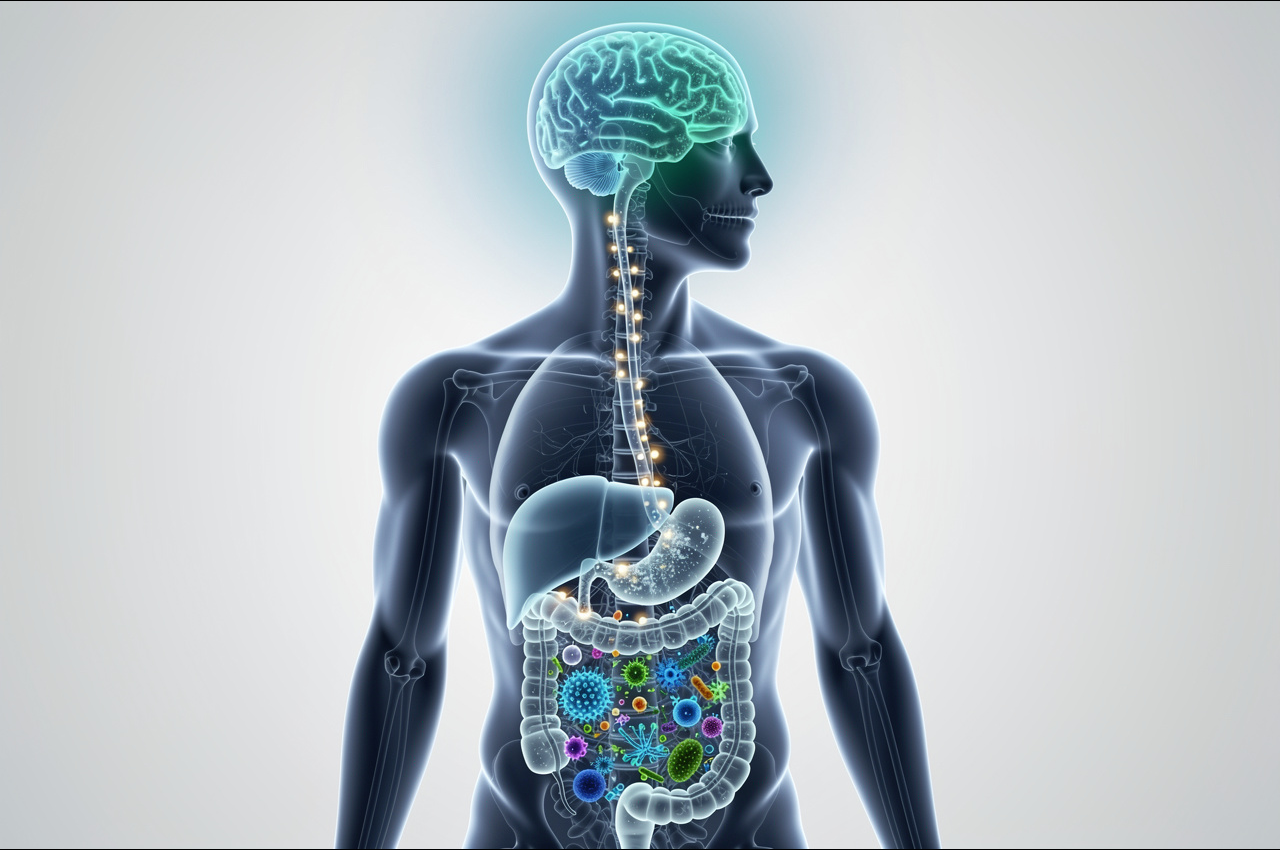
The National Institute of Diabetes and Digestive and Kidney Diseases (NIDDK) explains that conditions like IBS are “disorders of gut-brain interactions,” meaning they involve problems with how the brain and gut work together (NIDDK). These conditions sit at the intersection of digestive health and nervous system function, which is exactly where functional medicine focuses.
Both approaches have value, and they are not mutually exclusive. See a gastroenterologist first for alarm symptoms such as bleeding, unexplained weight loss, or severe malnutrition. Functional medicine fills the gap for chronic, unexplained, multi-symptom cases.
If you have been navigating a complex diagnosis, our guide on how to advocate for yourself can help.
So how does functional medicine actually find the root cause of digestive issues? The process unfolds in three steps, and it begins long before any lab test is ordered.
A functional medicine appointment starts with a thorough health history. Your practitioner asks about the onset and timing of your symptoms, your diet and eating patterns, stress levels, sleep quality, travel history, surgical history, and family history of digestive conditions. They also ask carefully about medication and antibiotic history.
Restoring digestive health after antibiotics is a common focus, because a course of antibiotics three years ago, a high-stress period, or a major dietary shift can be the hidden trigger that started everything. Cleveland Clinic notes that functional medicine providers gather your medical history and connect it to your context of living to identify underlying reasons for a condition (Cleveland Clinic).
Functional medicine does not isolate the digestive tract. Your practitioner considers the whole system, including hormonal health (thyroid and sex hormone imbalances can affect motility and digestion), immune function (food sensitivities and inflammation), the nervous system (the gut-brain axis and stress response), and nutrient status (deficiencies in magnesium, zinc, or B vitamins can impair digestion).
This systems review often reveals that a digestive symptom is actually a secondary effect of a problem somewhere else. To learn more, read the gut-brain connection in digestive disorders and explore how stress affects your digestive health.
Lab testing comes last, and it is guided by what the history and systems review suggest. No one gets every test. Your practitioner selects the tests that match your history and symptoms.
Common options include a comprehensive stool analysis (which evaluates digestion, absorption, microbiome composition, and inflammation markers), SIBO breath testing (which measures hydrogen and methane gases after a glucose or lactulose challenge, as Mayo Clinic describes), food sensitivity panels, genetic testing, and micronutrient testing.
For a deeper look, read our comprehensive guide to functional digestive testing, learn how to interpret your comprehensive stool test results, and explore our specialized lab testing services. You can also learn how to prepare for functional lab testing before your appointment.

When functional medicine practitioners investigate chronic digestive issues, certain root causes show up again and again. Understanding these patterns can help you recognize your own symptoms. For a broader overview, explore common causes of digestive dysfunction.
Food sensitivities (IgG-mediated) differ from allergies (IgE-mediated) and intolerances (enzyme deficiencies). They can cause delayed, low-grade inflammation that shows up as bloating, fatigue, or brain fog. How food sensitivities affect digestion is one of the most common questions patients bring to functional medicine visits.
An elimination diet can help identify trigger foods systematically.
Small intestinal bacterial overgrowth (SIBO) occurs when bacteria that normally live in the colon migrate to the small intestine. Symptoms include bloating, gas, diarrhea, and malnutrition. Risk factors include low stomach acid, impaired motility, structural issues, and proton pump inhibitor use (Mayo Clinic).
Learn about the differences between SIBO and IBS.
Dysbiosis is an imbalance in the gut microbial community: too few beneficial bacteria, too many opportunistic ones. It is linked to digestive symptoms, immune dysfunction, and even cognitive changes via the gut-brain axis. Factors that disrupt the microbiome include antibiotics, poor diet, chronic stress, and NSAID use.
Research published in the peer-reviewed literature supports the connection between microbiome health and overall function (NIH PMC). See how your gut microbiome affects cognitive function.
The gut and brain communicate bidirectionally through the vagus nerve, neurotransmitters, and immune signals. Chronic stress can alter motility, increase intestinal permeability, and shift the microbiome. Digestive symptoms are often stress-sensitive.
Gut-directed hypnotherapy and cognitive behavioral therapy have evidence for IBS symptom relief (NCCIH). Read the gut-brain connection in digestive disorders to learn more.
Low stomach acid (hypochlorhydria) becomes more common with age and with long-term acid-suppressing medication use. It impairs protein digestion and allows bacteria to survive the stomach barrier. Digestive enzyme deficiencies can cause bloating, gas, and nutrient malabsorption.
Learn about low stomach acid and its surprising link to heartburn and explore digestive enzymes for impaired digestion.
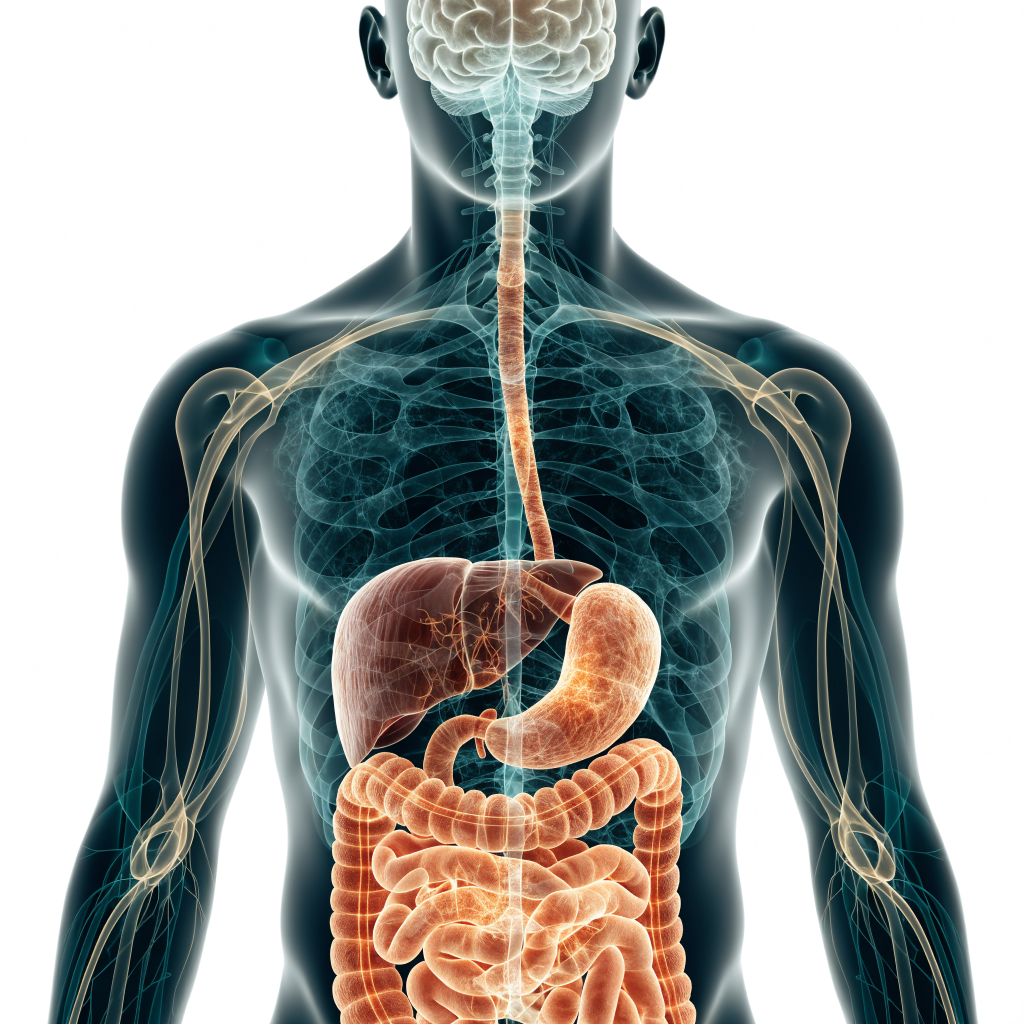
The diagnosis is not the end. It is the start of a personalized care plan. Depending on what your history, systems review, and lab testing reveal, your practitioner may recommend dietary changes (such as an anti-inflammatory diet, an elimination diet, or FODMAP reduction), targeted supplementation (digestive enzymes, probiotics, prebiotics, or nutrients based on identified deficiencies), lifestyle modifications (stress management, sleep hygiene, exercise), or antibiotic or antimicrobial protocols when indicated, as with SIBO treatment.
Functional medicine identifies root causes and guides treatment, but serious alarm symptoms always warrant a GI specialist. Your care plan also evolves over time as symptoms improve and retesting confirms progress.
If constipation is part of your picture, read relieving constipation and supporting detox. You can also learn probiotics for better digestive function.
When you are ready to take the next step, our Digestive Dysfunction and Food Sensitivities service is where that personalized care begins.

A functional medicine approach may be a good fit if you have chronic, unexplained digestive symptoms that have not responded to conventional care, multiple symptoms across different body systems (such as digestive issues plus fatigue, mood changes, or skin problems), a known trigger event (post-antibiotic, post-infectious, or post-surgical), or a strong desire to understand the “why” behind your symptoms. Cleveland Clinic lists causes of functional GI problems including low fiber intake, stress, anxiety, food sensitivities, and hormonal changes (Cleveland Clinic), which shows how many factors can contribute.
When to see a gastroenterologist first: unexplained weight loss, blood in stool, severe anemia, difficulty swallowing, or severe pain. These alarm signs warrant conventional GI evaluation right away. For a broader symptom check, review early signs of digestive disorders to watch for.
How to prepare for a first functional medicine visit: bring a symptom diary, a list of current medications, and any past lab results. These tools help your practitioner build the timeline described earlier. Our guide on how to advocate for yourself with a complex diagnosis has more tips.
A gastroenterologist is a medical doctor specializing in organic GI diseases such as ulcers, inflammation, and structural problems. A functional medicine practitioner (often an NMD or MD with functional training) focuses on identifying and addressing upstream root causes of chronic, unexplained symptoms. Both play important roles: a GI specialist for alarm signs, and functional medicine for the chronic, multi-system picture.
Common tests include a comprehensive stool analysis (evaluation of digestion, absorption, and microbiome), SIBO breath testing (hydrogen and methane), and food sensitivity panels. The specific tests are chosen based on your health history and symptoms. No single test fits everyone.
Our comprehensive guide to functional digestive testing walks through each option in detail.
Many people notice symptom changes within 4 to 8 weeks of implementing a personalized care plan. However, deeper root causes (chronic gut dysbiosis, long-standing nutrient deficiencies) may take 3 to 6 months of consistent work. Retesting at 3-month intervals helps track objective progress.
Yes. IBS is a functional GI disorder, meaning it involves gut-brain interaction dysfunction rather than structural damage (NIDDK). Functional medicine addresses the drivers of IBS symptoms, including diet, stress, microbiome balance, and gut motility, through personalized, root-cause investigation.
Read understanding IBS and its treatment options to learn more, and see the ACG guidelines on IBS.
There is no single root cause. Common drivers include food sensitivities, gut microbiome imbalance (dysbiosis), chronic stress disrupting the gut-brain axis, low stomach acid, enzyme deficiencies, and SIBO. Functional medicine investigates which combination of factors applies to you through a detailed history, systems review, and targeted lab testing.
Functional medicine approaches digestive health by asking “why” symptoms occur and tracing them to their root causes, rather than managing symptoms alone. The diagnostic process involves three steps: a detailed health history, a whole-systems review, and targeted functional lab testing.
Common root causes include food sensitivities, SIBO, gut dysbiosis, stress-driven gut-brain axis disruption, and low stomach acid or enzyme deficiencies. Treatment plans are personalized and evolve, combining dietary changes, targeted supplementation, and lifestyle modifications.
If chronic digestive symptoms have not responded to conventional care and you want to understand what is driving them, a functional medicine evaluation may be the next step. Explore our Digestive Dysfunction and Food Sensitivities service, or browse more on gut health and more on digestive health to keep learning.