30+ Years
of Medical Experience

If you have ever walked into a room and forgotten why you were there, struggled to concentrate during an important meeting, or felt like your thoughts were moving through fog, your gut might be part of the answer. The connection between gut health and cognitive function is one of the most exciting areas in modern neuroscience.
Your gastrointestinal tract houses over 100 billion neurons in the enteric nervous system, communicating constantly with your brain through nerves, hormones, and immune signals. What happens in your digestive system does not stay there. It reaches your hippocampus, your prefrontal cortex, and every region responsible for how clearly you think, how well you remember, and how sharply you focus.
In this guide, we will break down how the microbiome influences your brain, what the latest clinical trials reveal about memory and cognition, and what you can do to strengthen the gut-brain connection.
The gut-brain axis is the bidirectional communication system connecting your gastrointestinal tract to your brain. It links the enteric nervous system in the gut with the central nervous system through the vagus nerve, hormonal pathways, and immune signaling. Your brain influences digestive function, and your gut microbiome directly shapes brain activity, mood, and cognition.
The vagus nerve is the longest cranial nerve in the body, running from the brainstem to the abdomen. It carries signals in both directions: beneficial metabolites produced by gut bacteria travel up the vagus nerve to influence brain function, while stress signals from the brain travel down to alter gut motility, permeability, and bacterial composition.
A landmark 2026 study published in Nature by Dr. Christoph Thaiss at Stanford University demonstrated that changes in gut bacteria during aging directly impair vagus nerve signaling to the hippocampus, the brain region critical for memory formation (NIH Research Matters, 2026). For a broader overview, explore our comprehensive guide to the gut-brain connection.
Your gut bacteria produce approximately 90% of the body’s serotonin, the neurotransmitter most people associate with mood. But serotonin is only part of the story. Gut microbes also influence GABA (the brain’s calming neurotransmitter), dopamine (critical for motivation), and norepinephrine (which drives alertness).
Beyond neurotransmitters, gut bacteria produce short-chain fatty acids (SCFAs): butyrate, acetate, and propionate. These molecules, generated when beneficial bacteria ferment dietary fiber, cross the blood-brain barrier and directly regulate brain-derived neurotrophic factor (BDNF), a protein that supports neuroplasticity, learning, and memory consolidation.
BDNF is sometimes described as “fertilizer for the brain.” It promotes new neuron growth and strengthens synaptic connections. When SCFA production drops due to poor diet or gut dysbiosis (microbial imbalance), BDNF levels decline and cognitive performance suffers (Elsevier, 2025).
The link between gut microbiome composition and memory is backed by multiple clinical trials.
The Stanford 2026 study published in Nature demonstrated that age-related changes in the gut microbiome impair vagus nerve signaling to the hippocampus, leading to measurable memory decline. When aged mice received microbiome transplants from young mice, their cognitive performance improved. Three interventions also restored signaling: bacteriophages, anti-inflammatory treatments, and vagus nerve activation. “We can enhance memory formation and brain activity by changing the composition of the gastrointestinal tract,” explained lead researcher Dr. Christoph Thaiss (NIH, 2026).
The PROMOTe randomized controlled trial gave 72 older adults (ages 60+) either a prebiotic supplement or placebo for 12 weeks. The prebiotic group showed significant improvement in overall cognition (p=0.014) and in paired associates learning (p=0.001), a memory test used as an early identifier of Alzheimer’s risk (PROMOTe RCT, Nature Communications).
A trial using Bifidobacterium breve CCFM1179 in patients with mild cognitive impairment found that 12 weeks of probiotic supplementation improved Montreal Cognitive Assessment scores and elevated serum BDNF levels (B. breve CCFM1179 Trial, 2026).
Brain fog is not a clinical diagnosis, but it is a very real experience: mental sluggishness, difficulty concentrating, slow processing speed, and forgetfulness. If you have been wondering can gut problems cause brain fog, the research increasingly says yes.
Several mechanisms connect gut imbalance to brain fog:
Gut dysbiosis is a frequently overlooked cause of persistent brain fog. If you recognize several signs of gut microbiome imbalance alongside cognitive symptoms, the connection may be more direct than you think.
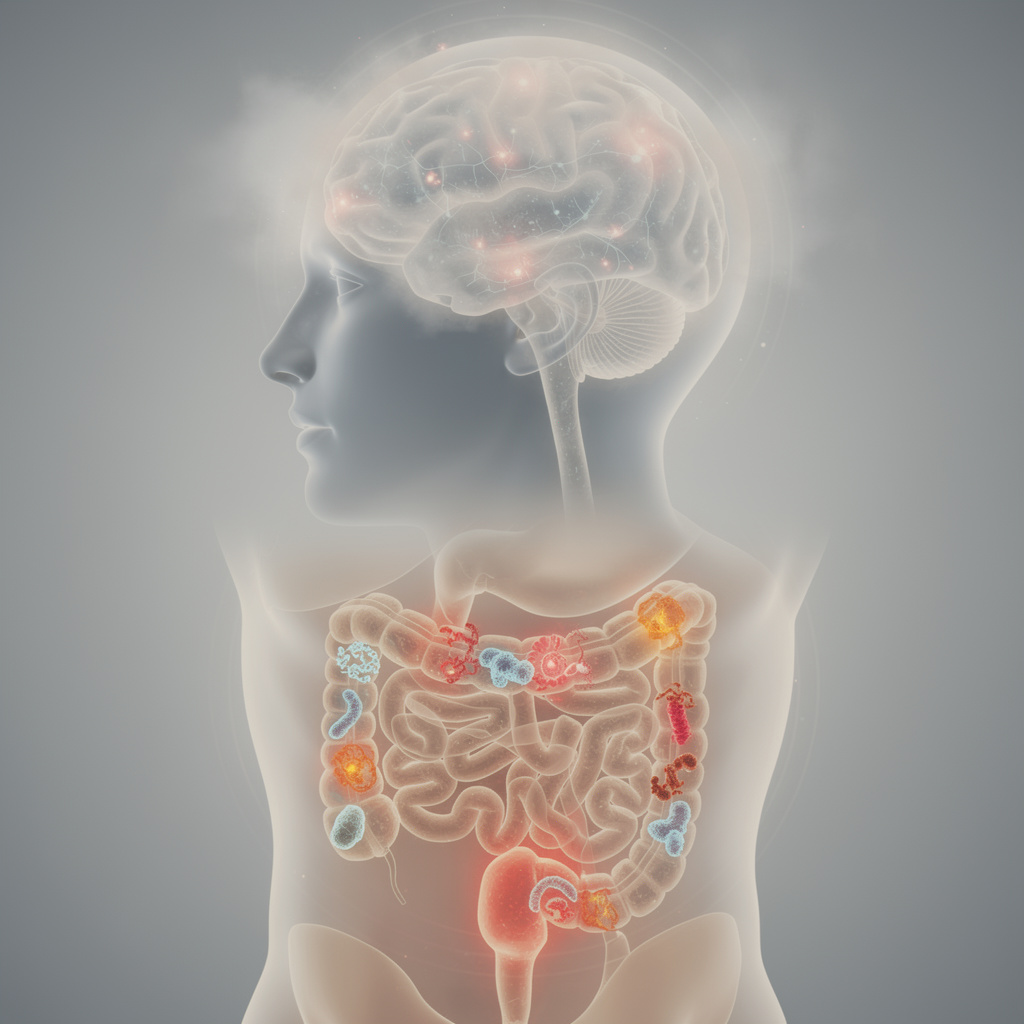
Focus and concentration depend on attention networks modulated by neurotransmitter signaling, and those neurotransmitters are heavily influenced by gut bacteria.
The evidence is compelling. A randomized controlled crossover trial found that adults aged 45 to 75 who consumed 18 grams per day of soluble corn fiber for four weeks showed improved reaction times on attentional inhibition tasks (improvement of 9.8 milliseconds, p=0.01), linked to enrichment of Parabacteroides bacteria (Soluble Corn Fiber RCT, medRxiv, 2025).
Researchers have also introduced psychobiotics, specific probiotic strains that target cognitive function. Strains like Bifidobacterium longum 1714 and Lactobacillus rhamnosus have shown improvements in attentional performance. A 2026 study in Communications Medicine found that postbiotics (heat-treated Lactobacillus gasseri CP2305) increased alpha brain wave activity in frontal and parietal regions within 60 minutes, associated with focused attention (Communications Medicine, 2026).
The science is clear: gut health and cognitive function are deeply intertwined. Here are seven evidence-based strategies to strengthen the gut-brain connection.
Beneficial gut bacteria feed on dietary fiber and produce the SCFAs that support BDNF expression and reduce neuroinflammation. Aim for 25 to 35 grams of fiber daily. Excellent sources include garlic, onions, asparagus, chicory root, oats, and bananas.
Yogurt, kefir, sauerkraut, kimchi, and kombucha introduce beneficial bacteria into your digestive system. A clinical trial found that eight weeks of probiotic yogurt consumption led to measurable changes in hippocampal connectivity and glutathione levels. Probiotic effects on brain function can persist for four to six weeks after you stop taking them (Communications Medicine, 2026).
DHA, a type of omega-3 fatty acid, is critical for synaptic plasticity. Research also shows that omega-3 supplementation increases SCFA-producing bacteria in the gut. Good sources include salmon, sardines, mackerel, flaxseed, chia seeds, and walnuts.
Chronic stress elevates cortisol, which disrupts microbiome balance and impairs vagus nerve signaling. Even five minutes of daily deep breathing or meditation supports the gut-brain axis. For more strategies, explore our daily brain exercises to boost memory and focus.
Sleep is when the brain’s glymphatic system clears metabolic waste. Poor sleep alters microbiome composition and reduces cognitive performance. Aim for seven to nine hours nightly with consistent sleep and wake times.
Physical activity increases microbiome diversity, boosts BDNF production, and enhances vagus nerve tone. Just 30 minutes of moderate exercise five times per week produces measurable benefits for both gut microbial diversity and cognitive performance.
Specific psychobiotic strains have clinical evidence for cognitive support: Bifidobacterium longum, Lactobacillus helveticus, and Bifidobacterium breve have all shown promise. A systematic review of 15 trials with 4,214 participants found that probiotics improved cognition in adults aged 45 and older. Always consult a healthcare provider before starting a new supplement.
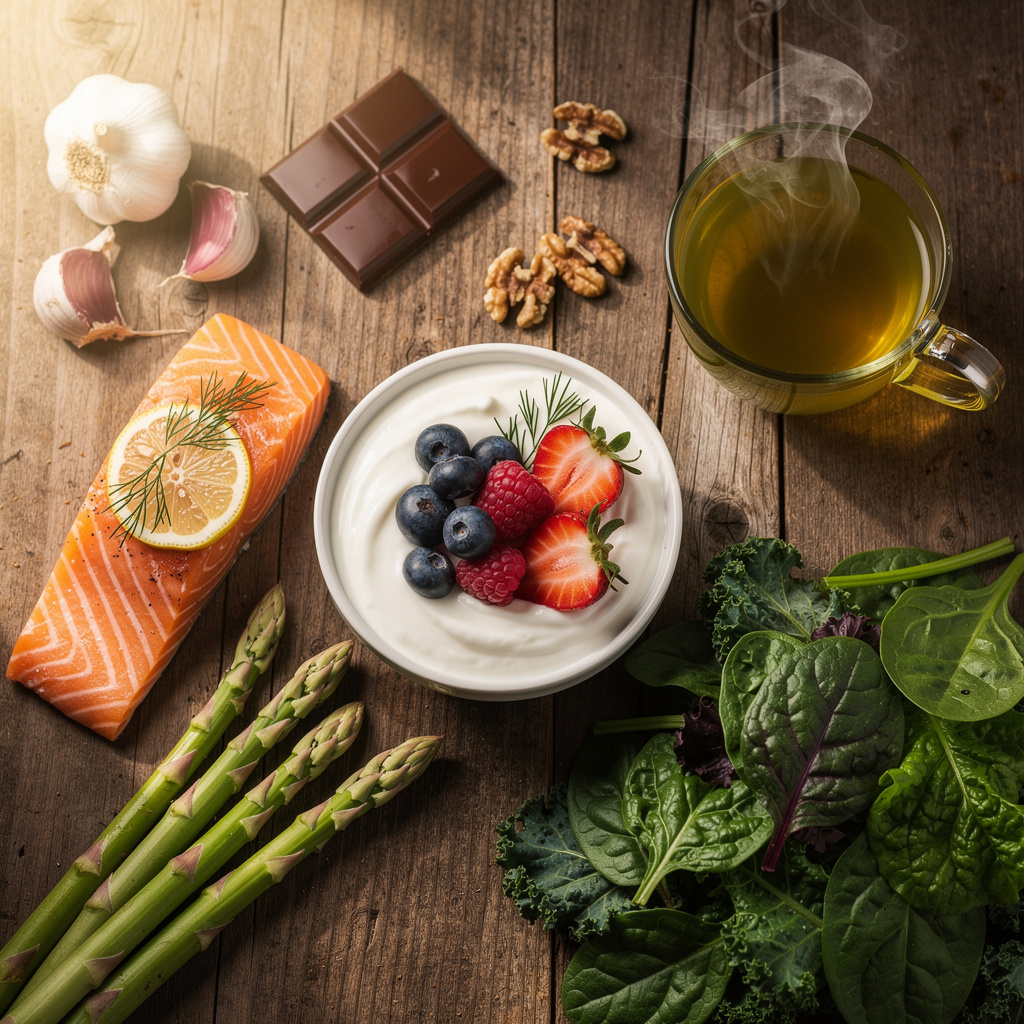
Not all foods support the gut-brain connection equally. Here are the strongest evidence-based options.
| Food Category | Examples | Gut Benefit | Brain Benefit |
|---|---|---|---|
| Fermented Foods | Yogurt, kefir, sauerkraut, kimchi | Increases probiotic diversity | Modulates hippocampal connectivity |
| Prebiotic-Rich Foods | Garlic, onions, asparagus, bananas, oats | Feeds beneficial bacteria | Boosts SCFA production for neuroprotection |
| Omega-3 Sources | Salmon, mackerel, flaxseed, chia, walnuts | Reduces gut inflammation | Supports synaptic plasticity and BDNF |
| Polyphenol-Rich Foods | Berries, green tea, dark chocolate, olive oil | Promotes beneficial bacteria growth | Protects neurons from oxidative damage |
| Fiber-Rich Vegetables | Leafy greens, broccoli, artichokes | Increases microbiome diversity | Improves attentional inhibition (RCT evidence) |
Incorporating these foods into your daily meals does not require a complete dietary overhaul. Start with one or two additions per day, such as a serving of yogurt with breakfast or a handful of berries as an afternoon snack. For more ideas, see our brain-boosting nutrition tips and brain-enhancing smoothie recipes.
Aging brings reduced bacterial diversity, fewer SCFA-producing species, and increased pro-inflammatory microbes. This shift contributes to “inflammaging,” chronic low-grade inflammation that accelerates cognitive decline.
The Stanford 2026 Nature study showed that age-related microbiome changes impair vagus nerve signaling to the hippocampus. But the research carries a hopeful message: when researchers restored healthy microbiome signaling in aged mice, cognitive function improved through three interventions: resetting the microbiome, reducing inflammation, and activating the vagus nerve.
In humans, dietary interventions like the Mediterranean diet and prebiotic supplementation have shown cognitive benefits in older adults. The PROMOTe trial demonstrated that a simple prebiotic supplement improved memory scores in adults over 60. A study on Bifidobacterium animalis subsp. lactis GCL2505 combined with dietary fiber showed cognitive improvement correlated with increased beneficial Faecalibacterium bacteria (J-STAGE, 2025).
The gut-brain axis is modifiable at any age. Early intervention through diet, lifestyle, and targeted supplementation can help preserve cognitive function. For more on the gut-brain connection across different health contexts, explore our article on the gut-brain link for men’s health.
While lifestyle changes can help, some situations warrant professional evaluation:
Chronic gut conditions such as IBS, IBD, and SIBO have documented connections to cognitive function. If lifestyle changes are not enough, functional testing and personalized protocols may help. Read our guide on the gut-brain axis in digestive disorders.
The gut-brain axis is the bidirectional communication system between your gastrointestinal tract and your brain, involving the vagus nerve, hormonal pathways, and immune signaling.
Gut bacteria produce neurotransmitters like serotonin and GABA, generate short-chain fatty acids that regulate BDNF expression, and modulate inflammatory signals that reach the brain through the vagus nerve and bloodstream.
Yes. Gut dysbiosis can trigger systemic inflammation, disrupt neurotransmitter production, and reduce SCFA levels, all of which contribute to the mental sluggishness and forgetfulness described as brain fog.
Research shows microbiome composition directly impacts hippocampal function. The Stanford 2026 study demonstrated that restoring gut-brain signaling reversed age-related memory decline.
Eat a fiber-rich diet with prebiotic and fermented foods, manage stress, prioritize sleep, exercise regularly, and consider targeted psychobiotic supplements under professional guidance.
Fermented foods (yogurt, kefir, kimchi), prebiotic-rich foods (garlic, onions, asparagus), omega-3 sources (salmon, walnuts, flaxseed), polyphenol-rich foods (berries, green tea), and fiber-rich vegetables all support gut and brain health.
Clinical evidence supports specific probiotic strains, known as psychobiotics, for cognitive support. Bifidobacterium breve improved cognitive scores in mild cognitive impairment patients, and B. longum 1714 has shown benefits for attentional performance.
Common signs include persistent brain fog, memory lapses, difficulty sustaining focus, mood changes, and digestive symptoms like bloating or food sensitivities that coincide with cognitive difficulties.
Your gut health and cognitive function are deeply connected. At Infusion Health, our naturopathic doctors specialize in gut-brain health and can help you develop a personalized plan. Schedule a telemedicine consultation today.