30+ Years
of Medical Experience

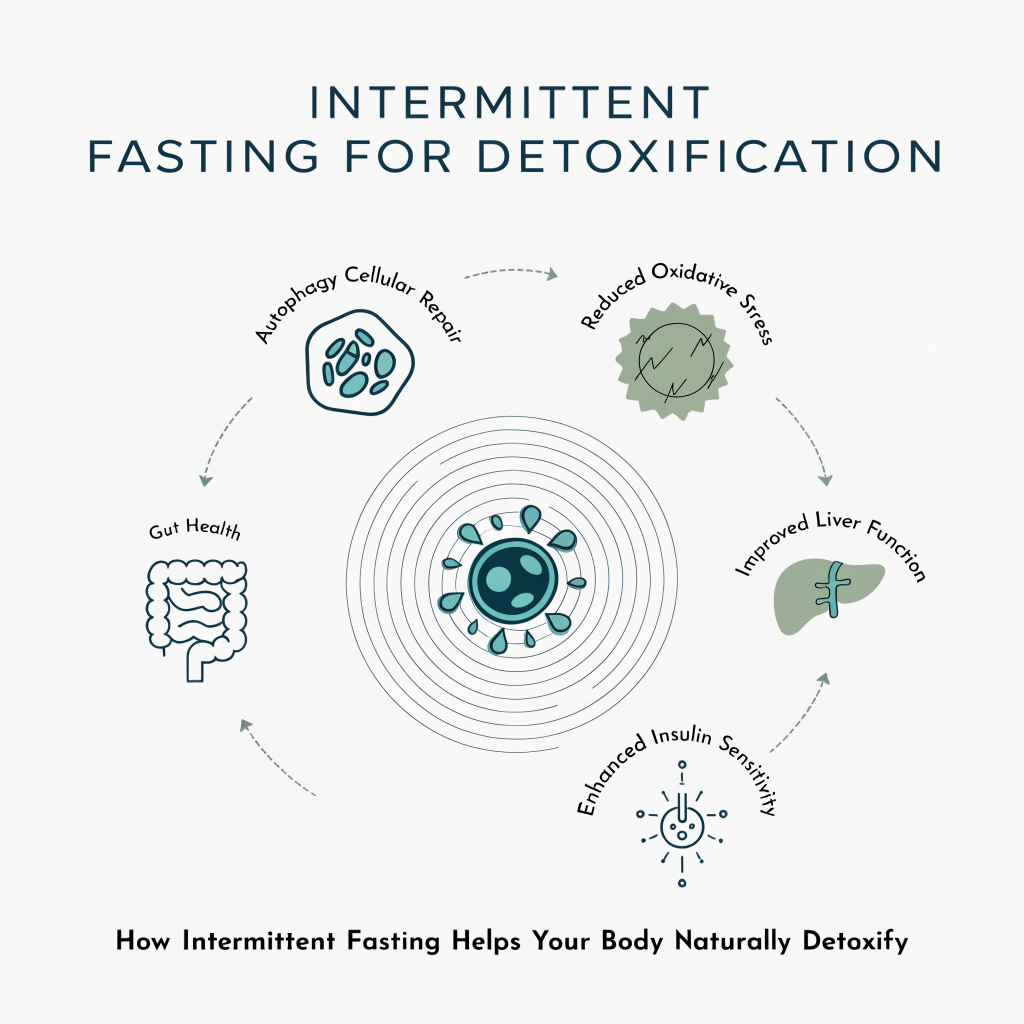
Intermittent fasting detox refers to using structured eating patterns, such as the 16/8 method or 5:2 plan, to support your body’s natural detoxification processes. During fasting periods, your cells activate autophagy, a cellular cleanup process that removes damaged components and supports liver function, oxidative stress reduction, and metabolic health.
Intermittent fasting (IF) is an eating pattern that cycles between periods of eating and fasting, focusing on when you eat rather than what you eat. When you stop consuming food for 12 to 16 hours or more, your body depletes its readily available glucose and begins tapping into stored energy. That metabolic transition activates several processes linked to your body’s detoxification systems, including autophagy, enhanced liver enzyme activity, and reduced oxidative stress.
Researchers at Johns Hopkins Medicine have noted that intermittent fasting triggers a metabolic switch from glucose-based to ketone-based energy, initiating cellular stress resistance and repair pathways (Hopkins Medicine). Your body already detoxifies itself every day through the liver, kidneys, and lymphatic system. The question is not whether fasting “makes” you detox, but whether it enhances those systems. The evidence suggests it does.
Before understanding how fasting supports detoxification, it helps to know the systems already working in your favor. Your body’s natural detoxification systems are remarkably sophisticated, operating through multiple organs and biochemical pathways.
The liver is the primary detox organ. In Phase I, cytochrome P450 enzymes convert fat-soluble toxins into intermediate compounds. In Phase II, conjugation attaches water-soluble molecules like glutathione or sulfate, making them safe for excretion. The kidneys filter blood to produce urine, removing water-soluble waste. The lymphatic system collects interstitial fluid and transports waste to the bloodstream for elimination. The digestive system, with its gut barrier and microbiome, also plays a direct role in metabolizing and neutralizing compounds. Understanding these systems matters because the value of intermittent fasting for detox is not about replacing them. It is about optimizing the conditions under which they operate.
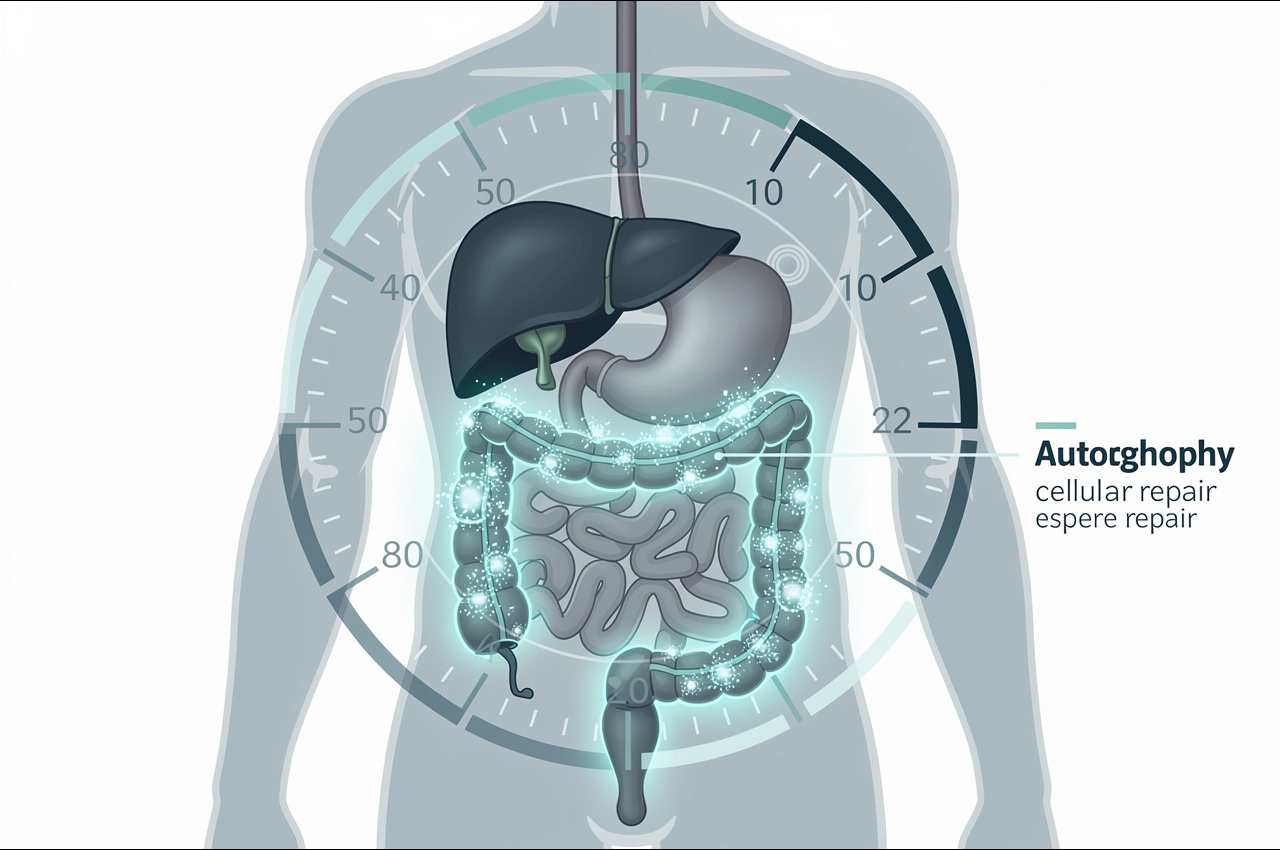
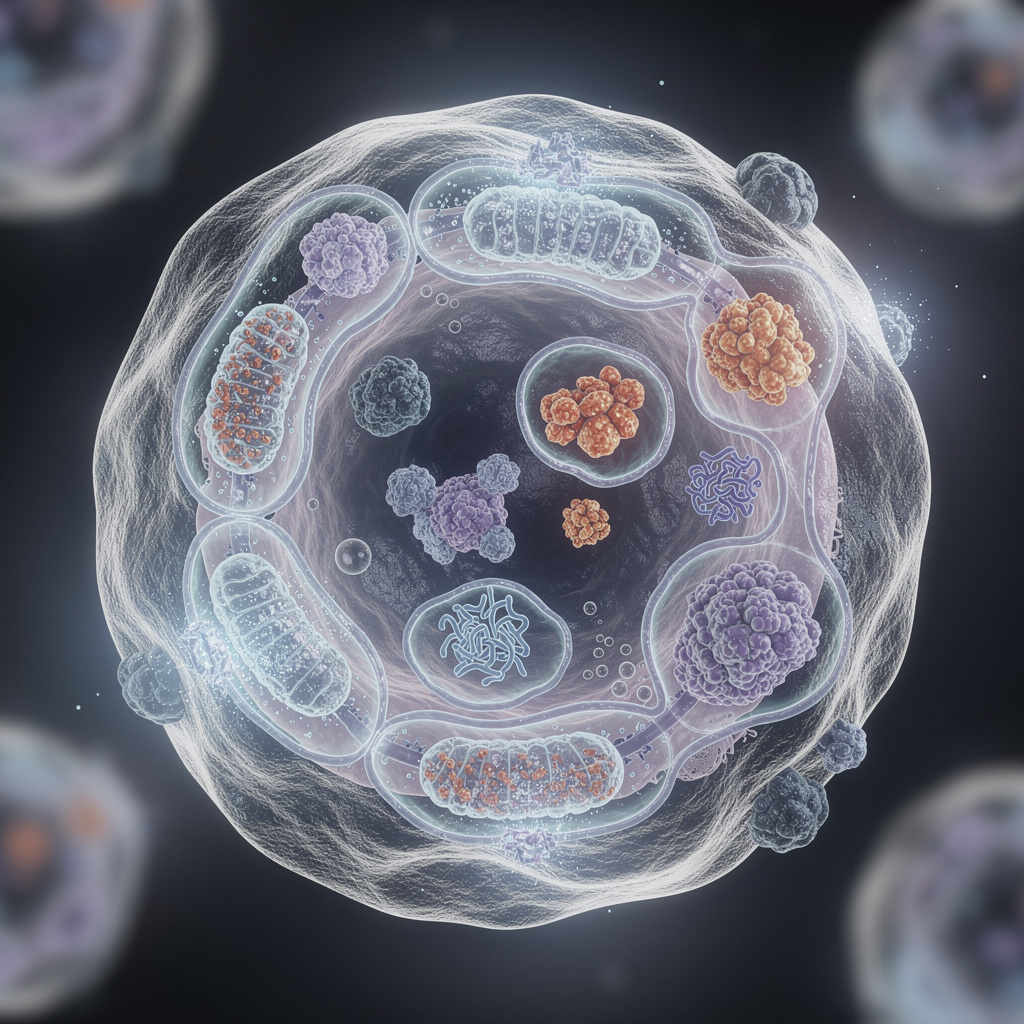
The most compelling link between fasting and detoxification lies in autophagy, which literally means “self-eating.” This process describes how cells break down and recycle their own damaged or dysfunctional components, functioning as your body’s built-in cellular cleanup crew.
When you fast for approximately 12 to 16 hours, your body depletes glycogen stores and shifts to ketone-based metabolism, activating autophagy. During this process, cells dismantle damaged proteins, recycle dysfunctional mitochondria (called mitophagy), and clear intracellular debris that contributes to cellular dysfunction. Research in the New England Journal of Medicine by de Cabo and Mattson describes this fasting-induced cellular renewal as a key mechanism behind many health benefits of intermittent fasting (de Cabo & Mattson, NEJM 2019).
Another important pathway involves mTOR (mechanistic target of rapamycin), a protein that promotes cell growth. When mTOR is active, autophagy is suppressed. Fasting inhibits mTOR, releasing the brake on autophagy and accelerating cellular cleanup. Harvard T.H. Chan School of Public Health notes that the metabolic switch triggered by fasting not only activates autophagy but also improves mitochondrial function, increases antioxidant defenses, and reduces systemic inflammation (Harvard T.H. Chan).
There is no single “best” intermittent fasting method for detoxification. The right approach depends on your lifestyle, experience level, and how your body responds. Here are the most widely studied methods.
Fast for 16 hours and eat within an 8-hour window (for example, 12pm to 8pm). This is the most popular and research-backed approach. The 16-hour fasting window is long enough to activate autophagy, and the format is sustainable for long-term practice. A 2024 umbrella review in eClinicalMedicine found that the 16:8 method consistently improves metabolic markers including fasting insulin, LDL cholesterol, and triglycerides (PubMed, 2024).
Eat normally for five days and restrict calories to 500 to 600 on two non-consecutive days. The calorie-restricted days create a metabolic shift that supports autophagy and cellular repair. This method has good adherence data and appeals to people who prefer periodic restriction over daily time constraints.
Eat normally one day and consume only 20 to 25 percent of your usual calories the next. A 2024 network meta-analysis found that ADF ranked highest among all fasting methods for improving overall metabolic health (PubMed, 2024), though it is harder to maintain long-term.
For most people beginning an intermittent fasting detox plan, starting with 14:10 or 16:8 provides the best balance of effectiveness and sustainability. A moderate fasting window practiced consistently will support your body’s detoxification pathways more than an aggressive schedule you cannot maintain.
Autophagy activity increases significantly after 16 to 24 hours of fasting, allowing cells to remove damaged proteins, recycle dysfunctional mitochondria, and clear intracellular debris that contributes to inflammation and cellular aging. This cellular renewal is one of the most direct ways fasting supports your body’s internal cleanup operations.
Fasting reduces production of reactive oxygen species (ROS), which cause cellular damage when they accumulate. Ketone-based energy generates fewer free radicals than glucose metabolism. Studies also show fasting reduces inflammatory markers including C-reactive protein (CRP) and interleukin-6 (IL-6).
Fasting reduces liver fat accumulation and improves liver enzyme markers. In patients with non-alcoholic fatty liver disease, studies document reductions in ALT, AST, and GGT levels with regular fasting, supporting the liver’s detoxification pathways and enhancing its capacity to process and eliminate toxins.
Intermittent fasting improves insulin sensitivity and metabolic flexibility, your body’s ability to switch efficiently between burning glucose and fat. A 2024 umbrella review found that all forms of intermittent fasting reduce LDL cholesterol, total cholesterol, triglycerides, and fasting insulin levels (PubMed, 2024).
Intermittent fasting also supports digestive health and gut repair. Fasting periods give the digestive system time to rest and repair, strengthening the gut lining and reducing intestinal permeability. Research from the Institute for Functional Medicine indicates that fasting increases beneficial bacteria like Akkermansia muciniphila, associated with improved metabolic health and reduced inflammation (IFM).
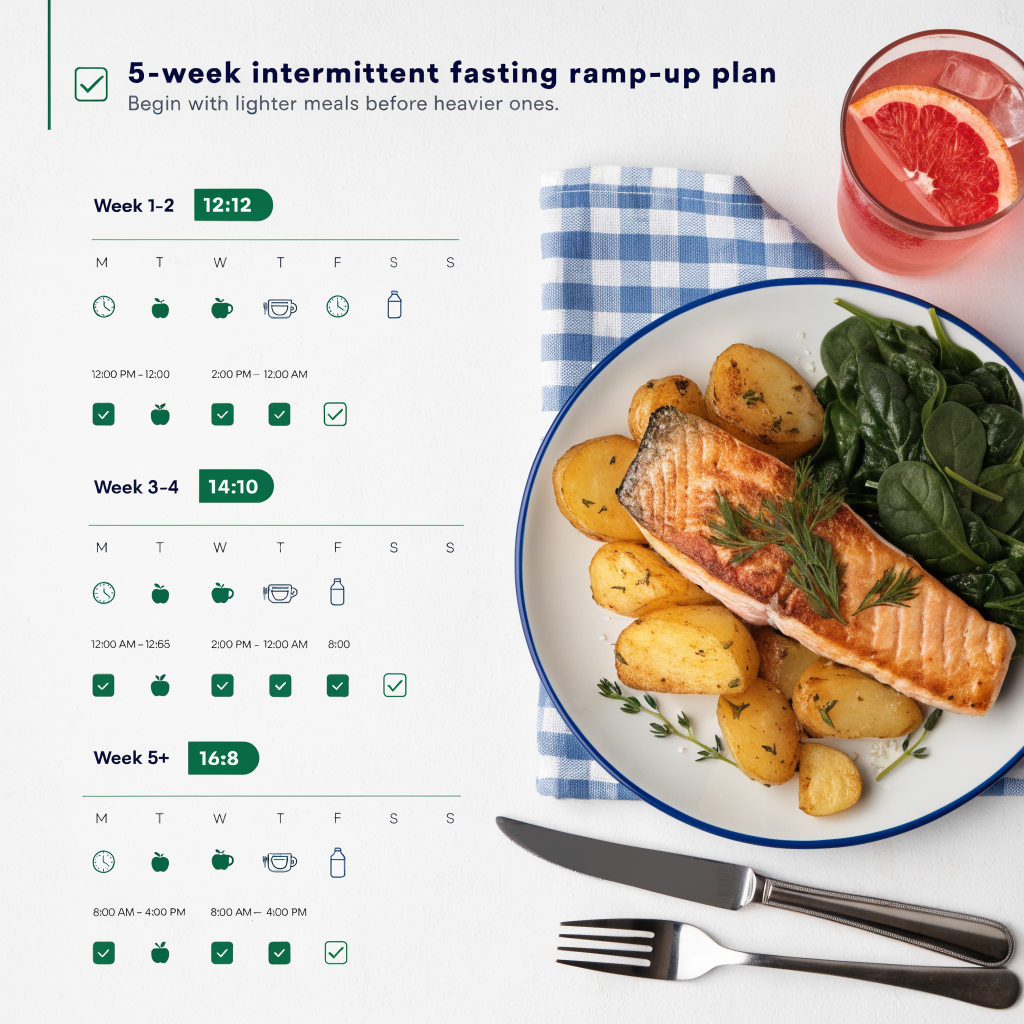
The most common mistake people make is doing too much too soon. A gradual ramp-up is both safer and more effective for long-term adherence.
Eat within a 12-hour window (for example, 8am to 8pm) and fast for the remaining 12 hours. Most adults already do this naturally. The goal is to eliminate late-night snacking and establish a consistent schedule. This is also a good time to begin building sustainable detox habits over time.
Shift your eating window to 10 hours (for example, 10am to 8pm). Skip breakfast or eat a late morning meal. Stay hydrated with water, black coffee, or plain herbal tea during the fasting window.
Once comfortable with 14:10, extend the fasting window to 16 hours (for example, 12pm to 8pm). This is the most research-backed window for activating autophagy. Hopkins Medicine notes that hunger and irritability during the first two to four weeks are normal and typically resolve as the body adapts (Hopkins Medicine). Do not break your fast with a huge meal. Ease into eating with a balanced, nutrient-dense plate.
When you break your fast, what you eat matters just as much as when you eat. A nutrient-dense diet amplifies the detoxification benefits of fasting.
Liver-supporting foods: Cruciferous vegetables like broccoli, kale, and Brussels sprouts contain sulforaphane, which supports Phase II liver detoxification. Garlic, onions, turmeric, beets, and artichokes provide additional compounds that enhance liver enzyme activity.
Gut-supporting foods: Fermented foods like kimchi, sauerkraut, and yogurt introduce beneficial probiotics. High-fiber foods such as berries, oats, and legumes feed beneficial gut bacteria. Bone broth contains glutamine and collagen that support gut lining repair.
Protein for autophagy support: Lean meats, fish, eggs, and legumes provide amino acids for cellular repair and immune function. Restricting protein too severely can impair muscle maintenance, which works against fasting’s benefits.
Hydration: Water is the most important detox aid. Herbal teas like dandelion root and milk thistle may further support liver function. Avoid sugary drinks, alcohol, and ultra-processed foods, as these increase the toxic load your body must process. For a broader perspective on understanding the difference between detox and cleansing approaches, the foods above support both viewpoints by providing essential nutrients for natural detoxification.
Intermittent fasting is generally considered safe for healthy adults, but it is not appropriate for everyone. Honest reporting requires addressing both benefits and risks.
Common side effects during the first two to four weeks include hunger, headaches, fatigue, irritability, constipation, and sleep disruptions. These symptoms are typically temporary and resolve as your body adapts. Staying hydrated, getting adequate sleep, and gradually extending the fasting window help minimize discomfort.
Who should not try IF for detox: People with type 1 diabetes, a history of eating disorders, or anyone who is underweight. Pregnant and breastfeeding women, children, and elderly or frail individuals should also avoid fasting. People taking medications requiring food intake must consult their healthcare provider first. Hopkins Medicine emphasizes that anyone with a chronic condition should discuss fasting with a physician (Hopkins Medicine).
If you have concerns about fasting and type 2 diabetes management, the NIDDK provides guidance on fasting considerations for diabetic patients (NIDDK). For a broader look at common misconceptions about detox diets, it is important to approach any detox approach with realistic expectations and evidence-based understanding.

Yes, but not in the way commercial detox products claim. IF supports your body’s natural detoxification by activating autophagy and enhancing liver function. It optimizes the biological systems that already handle detoxification every day, rather than “flushing out” toxins through a pill or supplement.
Autophagy begins to increase after approximately 12 to 16 hours, with peak activity around 16 to 24 hours. Most research uses the 16:8 protocol, which provides a sufficient fasting window while remaining practical for daily life.
The 16:8 method is the most research-backed and sustainable for most people. Alternate-day fasting shows strong metabolic results but can be harder to maintain. The best method is the one you can practice consistently, as regularity matters more than any specific protocol.
IF supports the liver, kidneys, and cellular systems that remove toxins naturally. It enhances your body’s own elimination pathways through autophagy, improved liver function, and reduced oxidative stress, rather than directly pulling toxins out of your body.
Focus on whole, nutrient-dense foods: cruciferous vegetables, lean protein, healthy fats, fermented foods, and plenty of water. Minimize processed foods, refined sugar, and alcohol, as these increase the toxic load your body must handle.
Temporary hunger, headaches, fatigue, and irritability are common during the first two to four weeks as your body adjusts. These symptoms typically resolve once your metabolism adapts. Staying hydrated and gradually extending the fasting window help minimize discomfort.
Intermittent fasting offers a scientifically supported way to enhance your body’s natural detoxification systems. The benefits, including autophagy activation, reduced oxidative stress, improved liver function, and greater metabolic flexibility, are well-documented in peer-reviewed research from institutions like Johns Hopkins, Harvard, and the National Institutes of Health. These benefits are real, but they are also gradual. There is no overnight fix.
The most important takeaway is that intermittent fasting is a tool, not a cure-all. It works best alongside whole-food nutrition, quality sleep, stress management, and regular movement. Start with a 12:12 window, listen to your body, and prioritize food quality during eating.
If you are considering intermittent fasting as part of your detoxification strategy, remember that every person’s body responds differently. What works for one person may not be ideal for another, especially if you are managing a chronic health condition or taking medications. Ready to explore whether intermittent fasting is right for you? Our team at Infusion Health offers personalized naturopathic consultations to help you create a safe, effective plan tailored to your health needs. Call us at (520) 396-4866 or schedule a telemedicine consultation today.