30+ Years
of Medical Experience

If you have been trying to conceive and things are not happening as quickly as you hoped, you are not alone. Hormones play a central role in fertility, influencing everything from egg development to the timing of ovulation. Understanding how these messengers work helps you take charge of your reproductive health and have more informed conversations with your provider.
In this guide, we will break down the key hormones involved in fertility, explain how they interact, and discuss what happens when things go off balance.
Hormones are chemical substances produced by glands in the endocrine system. They travel through the bloodstream and act as signals, telling different organs and tissues what to do and when. For fertility, hormones regulate egg and sperm production, control the menstrual cycle, prepare the uterus for pregnancy, and sustain early fetal development. Understanding how hormonal changes occur across life stages puts your own experience in context.
The reproductive hormone system works like an orchestra. Each hormone has a specific role, but they all need to work in harmony for conception to occur. When one hormone is out of balance, it can throw off the entire process. The Endocrine Society identifies several key reproductive hormones that directly affect fertility in both men and women.
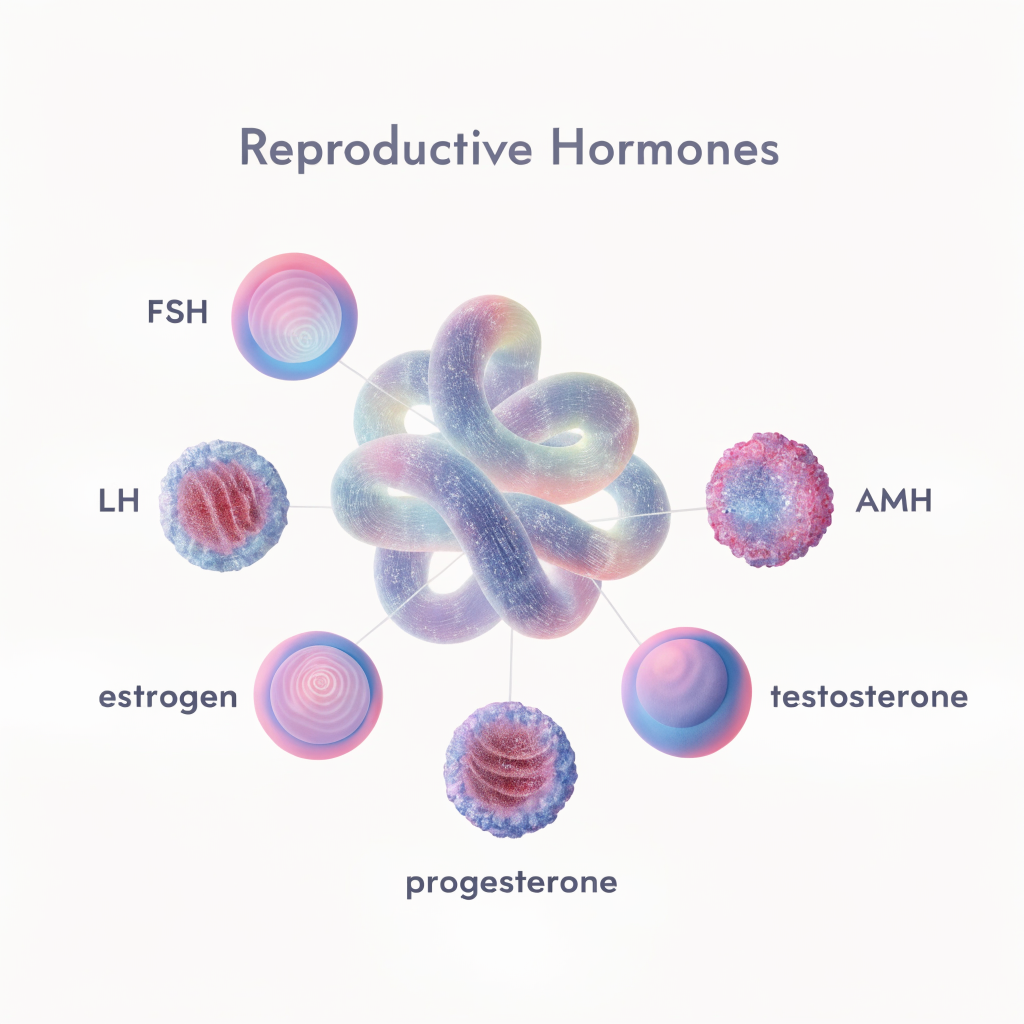
FSH is produced by the anterior pituitary gland and is essential for reproductive function in both sexes. In women, FSH stimulates the growth and maturation of ovarian follicles, the small sacs in the ovaries that contain developing eggs. As follicles grow, they produce estrogen, which signals the uterine lining to thicken in preparation for a possible pregnancy.
In men, FSH acts on the Sertoli cells in the testes to support spermatogenesis, the process of sperm production. Abnormal FSH levels can indicate issues with ovarian reserve in women or testicular function in men.
LH works closely with FSH and is also produced by the pituitary gland. In women, a surge in LH triggers ovulation, the release of a mature egg from the ovary, typically around day 14 of a 28-day cycle. After ovulation, LH stimulates the corpus luteum to produce progesterone.
In men, LH stimulates the Leydig cells in the testes to produce testosterone, which is necessary for sperm production. The balance between LH and FSH is critical; an elevated LH-to-FSH ratio is a hallmark of polycystic ovary syndrome (PCOS), a common cause of infertility.
Estrogen is a group of hormones, with estradiol (E2) being the most important for women of reproductive age. Produced primarily by the ovaries, estradiol thickens the uterine lining during the follicular phase and plays a role in egg maturation. Rising estradiol levels in the late follicular phase trigger the positive feedback loop that causes the LH surge and ovulation.
Men also produce estradiol in smaller amounts, where it supports bone health, brain function, and sperm production. Both too much and too little estrogen can interfere with fertility.
Progesterone is often called the “pregnancy hormone” because of its role in maintaining early pregnancy. After ovulation, the corpus luteum produces progesterone, which transforms the uterine lining into a receptive state for implantation. If pregnancy does not occur, progesterone levels drop, triggering menstruation.
Low progesterone levels during the luteal phase can make it difficult to conceive or maintain a pregnancy. Research from Cleveland Clinic indicates that mid-luteal progesterone levels below 10 ng/mL may suggest inadequate corpus luteum function.
While often thought of as a male hormone, testosterone is important for both sexes. In men, it is essential for sperm production, libido, and maintaining reproductive tissues. In women, small amounts of testosterone produced by the ovaries and adrenal glands contribute to libido and follicular development. However, elevated testosterone levels in women are associated with PCOS, which can disrupt ovulation.
AMH is produced by ovarian follicle cells and serves as a marker of ovarian reserve, reflecting how many eggs remain. Unlike other hormones, AMH can be measured at any point in the menstrual cycle. Low AMH may indicate diminished ovarian reserve, while very high levels can be associated with PCOS. According to the American Society for Reproductive Medicine, AMH testing is particularly useful for women over 35 or those with a history of ovarian surgery.
To truly understand fertility, it helps to see how these hormones interact throughout the menstrual cycle. The cycle is divided into two main phases, with ovulation as the midpoint. Many people use modern fertility tracking technology to monitor these hormonal shifts and better time conception.
The cycle begins with menstruation, when estrogen and progesterone are at their lowest. The pituitary gland releases FSH, stimulating several ovarian follicles to develop. As they grow, they produce increasing estradiol. One follicle becomes dominant while the others regress. Rising estradiol thickens the uterine lining, creating a nourishing environment for a potential embryo.
When estradiol reaches a critical threshold, the hypothalamus switches from negative to positive feedback, triggering an LH surge. This causes the dominant follicle to release its mature egg into the fallopian tube. The egg is viable for 12 to 24 hours, while sperm can survive up to five days, creating a peak fertility window around ovulation.
After ovulation, the follicle becomes the corpus luteum, which produces progesterone to stabilize the uterine lining for implantation. If a fertilized egg implants, the embryo produces human chorionic gonadotropin (hCG), signaling the corpus luteum to keep producing progesterone until the placenta takes over. If no implantation occurs, progesterone drops and menstruation begins.
While the hormones discussed above are the primary drivers of fertility, several other hormones can significantly impact reproductive function. Often overlooked, these “supporting players” can make a big difference in your ability to conceive.
The thyroid gland produces hormones that regulate metabolism and overall cellular function. Research published in PMC demonstrates that thyroid dysfunction is relatively common among women of reproductive age and can cause anovulatory cycles, menstrual irregularities, and higher miscarriage rates.
Hypothyroidism can increase TSH levels, which in turn can elevate prolactin and disrupt the hormonal cascade needed for ovulation. The good news is that thyroid issues are highly treatable. A simple blood test for TSH can identify problems, and thyroid hormone replacement therapy is often effective at restoring fertility.
Prolactin is produced by the pituitary gland and is primarily known for its role in milk production during breastfeeding. However, elevated prolactin levels outside of pregnancy and breastfeeding can interfere with ovulation by suppressing the release of GnRH from the hypothalamus, reducing FSH and LH secretion.
A study of 394 infertile women found that 23.9% were hypothyroid, and many also had elevated prolactin. When the underlying thyroid issue was treated, 76.6% of the women conceived within six months to one year.
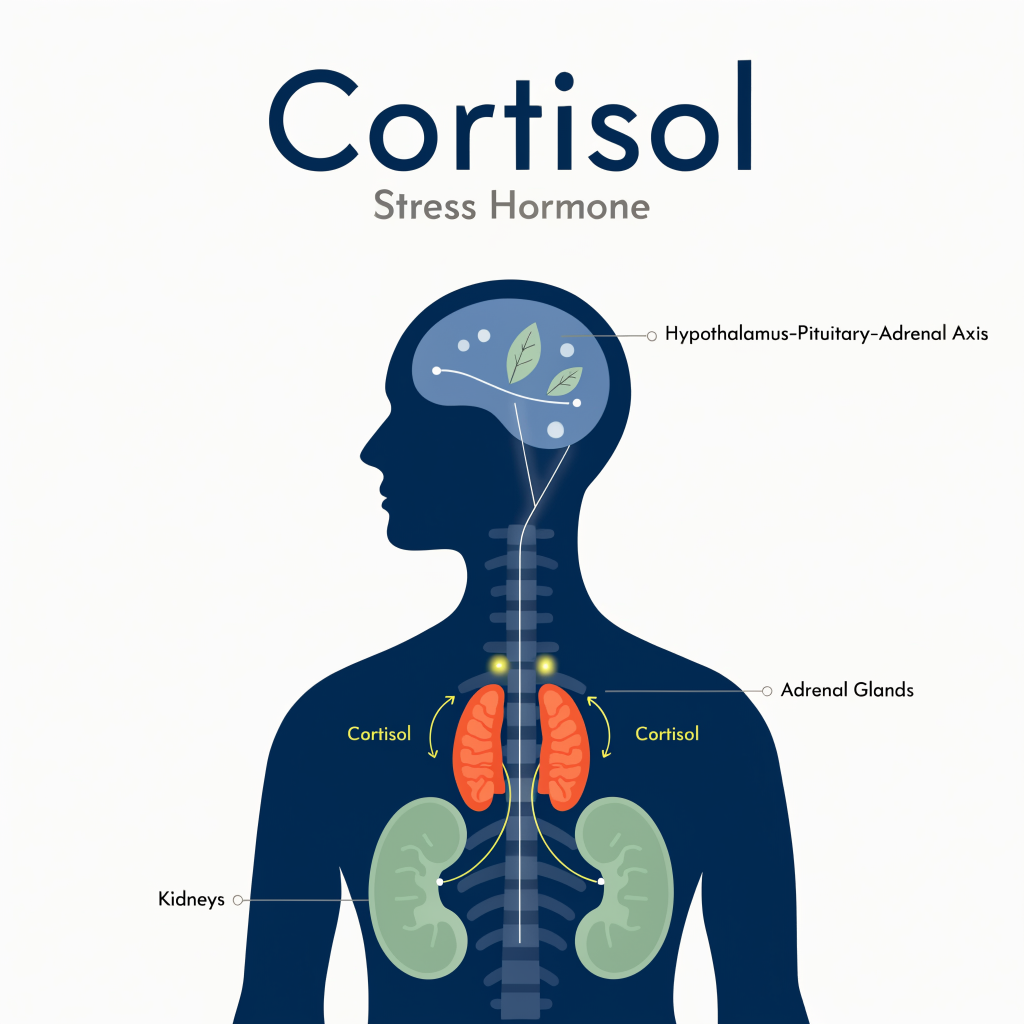
Cortisol, often called the “stress hormone,” is produced by the adrenal glands. Chronically elevated cortisol can suppress reproductive function. Research from PMC has shown that elevated cortisol and prolactin levels in infertile women impair the menstrual cycle by decreasing the pre-ovulatory LH peak and estrogen levels.
The body prioritizes survival over reproduction when it perceives chronic stress. This is why stress management techniques such as mindfulness, yoga, and adequate sleep are often recommended as part of a comprehensive fertility plan. Learn more about how lifestyle factors affect reproductive health on our health and wellness blog.
Hormonal imbalances do not always announce themselves with dramatic symptoms. Here are some common indicators that your hormones may need attention:
If you recognize several of these symptoms, it may be worth exploring modern fertility tracking technology to monitor your cycles and share data with your healthcare provider. Early detection and treatment can significantly improve fertility outcomes.
When your healthcare provider orders hormone testing, the timing of the blood draw is crucial. Different hormones fluctuate throughout the menstrual cycle, so drawing blood on the wrong day can lead to misleading results. Understanding fertility testing options available can help you prepare for this process.
| Hormone | Typical Draw Day | What It Tells You |
|---|---|---|
| FSH and Estradiol | Days 2 to 5 (early follicular) | Ovarian reserve and pituitary function |
| LH | Days 2 to 5, or mid-cycle | Ovulation timing and PCOS screening |
| Progesterone | Days 18 to 21 (mid-luteal) | Whether ovulation occurred |
| AMH | Any day of the cycle | Ovarian reserve (egg quantity) |
| TSH | Any day | Thyroid function |
| Prolactin | Any day (fasting preferred) | Rule out hyperprolactinemia |
| Testosterone | Any day | Androgen levels, PCOS screening |
A single hormone test rarely tells the full story. Your provider will typically order a panel of tests and interpret the results in the context of your medical history, symptoms, and cycle characteristics. If you are over 35 and have been trying to conceive for six months, or under 35 and trying for a year, a comprehensive fertility evaluation is recommended.
While medical evaluation and treatment are essential for addressing hormonal imbalances, several lifestyle factors can support healthy hormone levels. These strategies work best as a complement to professional medical care.
A balanced diet rich in whole foods, healthy fats, lean proteins, and complex carbohydrates supports hormone production and regulation. Nutrients like zinc, vitamin D, omega-3 fatty acids, and B vitamins are particularly important for reproductive health. Avoiding excessive caffeine and alcohol can also help maintain hormonal balance. Research shows that healthy weight supports hormonal balance and can improve conception outcomes.
Chronic stress can disrupt the hormonal signals needed for ovulation. Incorporating stress-reduction practices like meditation, deep breathing exercises, yoga, or regular physical activity can help regulate cortisol levels and support reproductive function.
Sleep is when the body repairs and regenerates, playing a critical role in hormone regulation. Poor sleep quality or insufficient sleep can disrupt the production of melatonin, cortisol, and reproductive hormones. Aim for seven to nine hours of quality sleep per night. Learn more about how sleep regulates fertility hormones and practical tips for improving your rest.
Regular, moderate exercise helps maintain a healthy weight, reduces stress, and supports hormonal balance. However, excessive intense exercise can actually disrupt the menstrual cycle by increasing cortisol and decreasing estrogen. Finding the right balance is key. Explore how physical activity enhances reproductive wellness for practical guidance.

Understanding your hormones is empowering, but it is important to remember that self-diagnosis has limits. Consult with a healthcare provider if you are experiencing any of the following:
A fertility specialist can perform a comprehensive evaluation, identify the root cause of any hormonal imbalance, and develop a personalized treatment plan. At Infusion Health, our team is dedicated to helping you understand your body and achieve your family-building goals through evidence-based, compassionate care. If you would like to learn more, explore our fertility support services.
Hormones are the invisible conductors of your reproductive health. From the pituitary gland’s release of FSH and LH to the ovaries’ production of estrogen and progesterone, every step depends on precise hormonal signaling. When imbalances occur, whether from thyroid dysfunction, elevated prolactin, chronic stress, or conditions like PCOS, the effects on fertility can be significant but are often treatable.
The most important takeaway is that you do not have to navigate this alone. With the right testing, professional guidance, and lifestyle support, many hormonal fertility issues can be addressed effectively. Understanding your body is the first step, and knowledge truly is power when it comes to your reproductive health.
Ready to take the next step? Contact our team to learn how we can help you on your fertility journey with personalized, evidence-based care.