30+ Years
of Medical Experience

The brain is the most intricate and vital organ in the human body, orchestrating everything from basic survival functions to complex thinking and creativity. Optimizing brain health is essential for maintaining sharpness, memory, and overall cognitive function throughout life. Increasingly, scientific research reveals that certain nutrients and dietary patterns significantly influence how well our brains perform, adapt, and resist decline. Whether you are seeking to boost your mental clarity, prevent neurodegenerative diseases, or sustain long-term cognitive vitality, the food choices you make serve as powerful tools. In this article, we explore the essential nutrients and eating habits that play a key role in protecting and enhancing brain performance.
To foster a brain that excels in memory, focus, and emotional regulation, it is critical to understand the building blocks that fuel its function. Unlike many organs, the brain consumes nearly 20 percent of the body’s energy despite its small size, making nutrient supply crucial. An optimal brain diet involves a combination of macronutrients and micronutrients that support neural repair, signaling, protection, and growth.
Omega-3 fatty acids are perhaps the most celebrated nutrients for cognitive health. These polyunsaturated fats, especially eicosapentaenoic acid (EPA) and docosahexaenoic acid (DHA), accumulate in brain cell membranes and modulate communication between neurons. DHA, for instance, is critical for synaptic plasticity, the brain’s ability to adapt and learn.
Diets rich in omega-3 have been linked to improvements in memory, mood regulation, and reduced risk of neurodegenerative diseases such as Alzheimer’s. Consuming fatty fish like salmon, mackerel, and sardines at least twice a week is a practical way to maintain adequate omega-3 levels. Supplementation with fish oil or algal oil can also be beneficial for individuals with limited seafood intake.
The brain is vulnerable to oxidative stress caused by free radicals, which can damage neurons and accelerate aging. Antioxidants neutralize these harmful molecules, providing a protective shield for brain cells. Vitamins like vitamin C and E are potent antioxidants found abundantly in colorful fruits and vegetables.
Flavonoids, a subgroup of polyphenols present in berries, dark chocolate, and green tea, have been shown to boost blood flow to the brain and improve learning and memory. Including a variety of antioxidant-rich foods daily helps lower the risk of cognitive impairment and supports long-term brain vitality.
Numerous vitamins and minerals are intricately involved in neurotransmitter synthesis, energy production, and neuronal protection. Ensuring sufficient intake of these micronutrients supports sustained mental energy and clarity.
B vitamins, especially B6, B9 (folate), and B12, play vital roles in homocysteine metabolism, which affects the risk of cognitive decline. Elevated homocysteine levels may increase the likelihood of brain aging and dementia.
These vitamins also support the generation of neurotransmitters such as serotonin, dopamine, and GABA that regulate mood and cognition. Leafy greens, legumes, eggs, and fortified grains are excellent natural sources of B vitamins.
Magnesium acts as a natural calming agent on the nervous system and is essential for synaptic function. Low magnesium intake often correlates with anxiety, mood disorders, and impaired memory. Nuts, seeds, whole grains, and green leafy vegetables are rich magnesium sources.
Zinc, another critical mineral, supports neurogenesis and overall brain plasticity. Zinc deficiencies can negatively impact learning abilities and immune responses. Including shellfish, beef, nuts, and legumes helps maintain proper zinc levels.
Beyond individual nutrients, certain dietary habits and overall eating patterns have emerged as champions of brain health. These diets emphasize balance, nutrient density, and anti-inflammatory properties that optimize brain efficiency and resilience.
The Mediterranean diet ranks among the most researched eating patterns for brain wellness. It focuses on plant-based foods, whole grains, healthy fats primarily from olive oil, moderate fish and poultry, and limited red meat and processed items. This diet provides abundant antioxidants, omega-3 fats, and polyphenols that collectively counteract brain inflammation and oxidative damage.
Long-term adherence to the Mediterranean diet is associated with slower cognitive decline, lower Alzheimer’s risk, and greater mental acuity in older adults. It combines brain-beneficial nutrients in a natural, palatable way that can easily be adapted worldwide.
Originally designed to reduce hypertension, the Dietary Approaches to Stop Hypertension (DASH) diet also enhances brain function through blood pressure regulation, reducing stroke risk and vascular-related cognitive impairment. The DASH diet emphasizes fruits, vegetables, whole grains, and low-fat dairy, while minimizing sodium, saturated fats, and sugars.
This eating plan supports steady energy levels and reduces oxidative stress, contributing to improved concentration and memory retention. Combining DASH principles with other brain-boosting foods can maximize cognitive benefits.
While adding brain-friendly foods is crucial, equally important is minimizing consumption of harmful substances that can degrade cognitive performance over time. Certain dietary habits have been linked to increased risks of brain inflammation, impaired memory, and mood disorders.
Diets high in refined sugars and processed foods contribute to inflammation, insulin resistance, and oxidative stress, all of which negatively influence brain function. Excessive sugar intake particularly impairs memory and increases the risk of developing neurodegenerative conditions.
Highly processed snacks and fast food are also low in essential nutrients and contain trans fats and additives that may accelerate cognitive decline. Prioritizing whole, natural foods over processed alternatives is crucial for mental sharpness and overall health.
While moderate consumption of certain beverages like red wine can provide antioxidants, excessive alcohol intake is toxic to brain cells and increases dementia risk. Similarly, overuse of caffeine may lead to jitteriness, disrupted sleep, and reduced cognitive performance, although moderate amounts can enhance alertness.
Maintaining balance in beverage choices supports optimal brain function and long-term cognitive vitality.
Water is essential for maintaining concentration, alertness, and overall cognitive efficiency. Dehydration, even in mild forms, can impair memory, mood, and focus. The brain consists of approximately 75 percent water, so hydration supports nutrient transportation, temperature regulation, and waste elimination within neural tissues.
Drinking adequate fluids daily is a simple yet often overlooked strategy to keep cognitive performance at its peak. Herbal teas, infused waters, and natural juices can add variety while contributing to hydration.
In addition to a brain-boosting diet, targeted supplements can provide extra support for specific cognitive needs or deficiencies. However, it is important to consult with healthcare providers before starting new supplementation.
Nootropics such as Ginkgo biloba and Bacopa monnieri are herbal compounds long used to improve memory, focus, and brain circulation. Scientific studies show promising effects on cognitive enhancement, particularly in older adults or those with mild memory impairment.
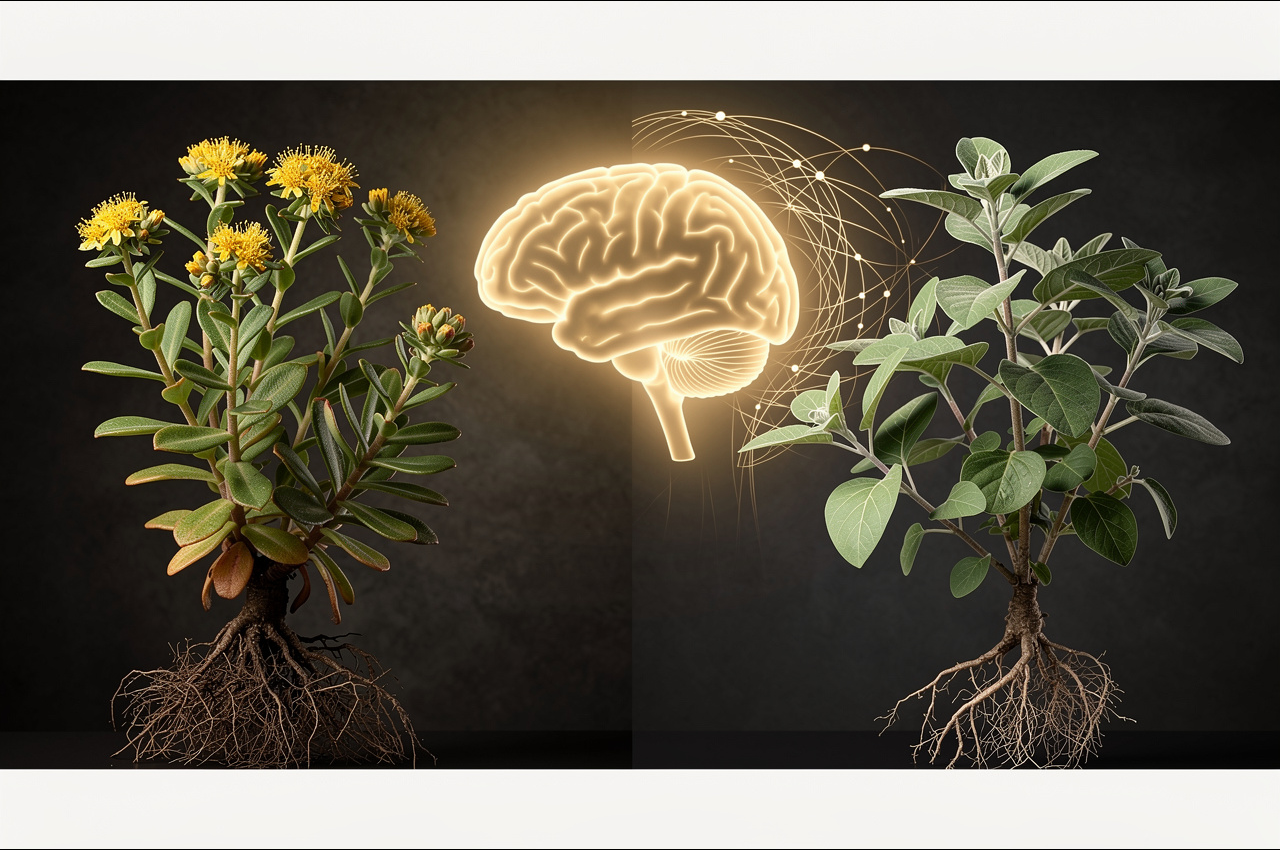
Adaptogens like Rhodiola rosea may reduce mental fatigue and improve resilience to stress, contributing to sharper cognition during demanding tasks.
Vitamin D receptors are widespread in brain tissue, and deficiencies have been connected with cognitive decline and depressive symptoms. Supplementing vitamin D when levels are low can support mood stabilization, neuroprotection, and overall brain health maintenance.
Transforming knowledge about brain nutrition into actionable changes can create lasting benefits in everyday mental performance. Start by incorporating more nutrient-dense foods, adjusting meal composition, and adopting mindful eating habits that support brain vitality.
Include a variety of colorful fruits and vegetables at each meal to supply antioxidants. Choose whole grains instead of refined carbs for sustained energy. Incorporate fatty fish, nuts, and seeds regularly to boost omega-3 intake. Limit processed snacks and sugary beverages to minimize inflammation.
Prioritize home cooking where possible to control ingredient quality and add brain-supporting spices like turmeric and rosemary known for their neuroprotective properties.
Brain health is not solely determined by diet. Adequate sleep, regular physical activity, stress management, and social engagement all synergize with nutrients to optimize brain function. Consistency in a holistic approach ensures the greatest potential for long-term cognitive success.
Empowering your brain with the right nutrients and dietary practices represents a proactive path towards sharper thinking, better memory, and emotional balance. The journey to enhanced mental performance involves embracing nutrient-rich foods, minimizing damaging substances, and nurturing your mind through intentional lifestyle choices.
If you are interested in learning more about personalized strategies to protect and enhance your cognitive health, the friendly staff at Infusion Health are eager to assist. Feel free to reach out using our CONTACT FORM, send us an EMAIL, or call directly at +1 (520) 396-4866. A dedicated team member will connect with you to provide detailed information and guidance tailored to your needs.