30+ Years
of Medical Experience

Exploring the connection between diet and thyroid health is becoming increasingly important as more people embrace plant-based lifestyles. The thyroid gland plays a crucial role in regulating metabolism, energy levels, and overall hormonal balance. As interest in veganism grows, many wonder how a diet composed entirely of plant-based foods might impact thyroid function. Understanding this relationship is essential not only for vegans but for anyone seeking to optimize their hormonal health. This article delves deep into how what you eat influences the thyroid gland, specifically focusing on unique considerations for those following a vegan diet.
The thyroid is a small, butterfly-shaped gland located at the base of the neck. Despite its size, it plays a major role in producing hormones that regulate metabolism, heart rate, temperature, and growth. The primary hormones produced by the thyroid include thyroxine (T4) and triiodothyronine (T3), which influence how the body uses energy. When the thyroid functions properly, it ensures balanced hormone levels that support overall health.
However, either insufficient or excessive hormone production can lead to conditions such as hypothyroidism or hyperthyroidism, respectively. Both of these conditions can significantly impact a person’s quality of life, causing symptoms ranging from fatigue, weight gain, and depression to anxiety and rapid heartbeat.
To maintain optimal thyroid health, certain nutrients are essential because they are directly involved in hormone production or function. The most notable of these are iodine, selenium, zinc, and iron. Each plays a unique role in the synthesis and conversion of thyroid hormones.
Iodine is a critical component of thyroid hormones, making it indispensable in preventing thyroid disorders. Without adequate iodine, the thyroid cannot produce enough hormones, potentially leading to goiter and hypothyroidism.
Selenium is another vital mineral because it is necessary for converting T4 into the active T3 hormone. Selenium also offers antioxidant properties that protect the thyroid gland from oxidative stress and inflammation. Foods like Brazil nuts are excellent sources, but selenium can be obtained from various plant-based foods as well.
Zinc and iron aid thyroid hormone metabolism and proper functioning of the gland. A deficiency in these minerals can contribute to impaired thyroid activity.
One of the primary concerns regarding vegan diets and thyroid health is whether the necessary nutrients are sufficiently consumed. Since veganism excludes all animal products, sources of iodine, selenium, zinc, and iron come predominantly from plant foods, which can vary widely in content based on geography, soil quality, and food preparation methods.
Iodine levels are particularly variable in plant-based foods. Sea vegetables like kelp, nori, and dulse naturally contain iodine, but their iodine content can fluctuate dramatically, sometimes being very high or too low. Common vegan staples such as grains and vegetables often have little to no iodine unless grown in iodine-rich soil.
Selenium can be obtained from nuts and seeds, such as Brazil nuts, sunflower seeds, and whole grains. However, soil selenium levels greatly influence the concentration in plant foods, meaning exposures vary significantly by region.
For zinc and iron, plant sources exist abundantly in legumes, whole grains, nuts, and leafy greens. However, these minerals from plant sources are often less bioavailable because of phytates and other compounds that inhibit absorption. Vegans need to be more mindful of food preparation techniques like soaking, sprouting, and fermenting to improve mineral uptake.
A vegan diet is generally rich in fiber, antioxidants, and phytochemicals, which contribute to overall wellness. Yet, certain factors require careful attention to prevent thyroid dysfunction or exacerbation of existing thyroid issues.
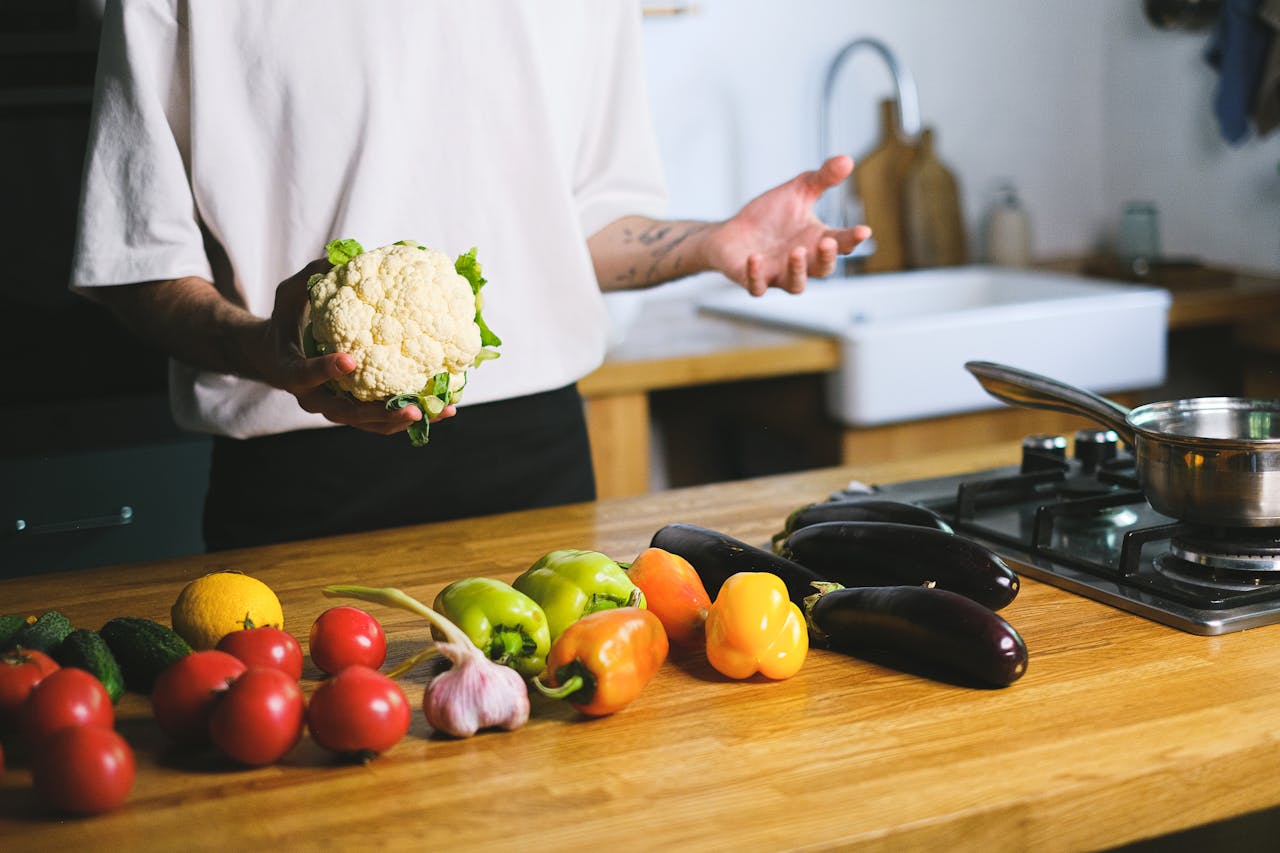
One major challenge is the presence of goitrogens in many plant foods common in vegan diets. Goitrogens are compounds that can interfere with thyroid hormone synthesis by inhibiting iodine uptake. Foods like soy products, cruciferous vegetables (broccoli, cabbage, kale), millet, and some legumes contain varying levels of goitrogens.
While these foods offer outstanding nutritional benefits, excessive consumption without proper preparation or iodine intake may increase the risk of thyroid dysfunction, especially in individuals with borderline iodine status or pre-existing autoimmune thyroid diseases.
Cooking methods such as boiling, steaming, or fermenting deactivate many goitrogens, making these foods safer for thyroid health when consumed in moderation. Vegans should consider balancing raw and cooked forms of these vegetables to minimize any negative impact on thyroid function while enjoying their nutritional benefits.
Hashimoto’s thyroiditis and Graves’ disease are autoimmune diseases affecting the thyroid gland, leading to hypothyroidism or hyperthyroidism. There is an intriguing relationship between diet, immune function, and thyroid autoimmunity, which makes this topic particularly relevant.
A plant-based diet rich in antioxidants, fiber, and anti-inflammatory compounds can potentially support immune system regulation and reduce inflammation, which may be beneficial in autoimmune thyroid disease management. However, careful planning is crucial to avoid nutrient deficiencies that could exacerbate symptoms.
Moreover, some studies suggest that avoiding gluten and reducing processed foods, common practices in vegan lifestyles, might aid in reducing autoimmune flare-ups, though research is still emerging.
Maintaining optimal thyroid function on a vegan diet is achievable with mindful nutrient consumption and lifestyle choices. Prioritizing iodine-rich foods such as iodized salt or carefully sourced sea vegetables can help meet iodine requirements. Moderation is key since excessive iodine intake can also disrupt thyroid balance.
Including selenium-rich foods like Brazil nuts, aiming for 1 to 3 nuts daily, provides a reliable selenium source. Ensuring adequate zinc and iron intake by including legumes, nuts, seeds, and fortified foods — along with absorption-enhancing techniques — prevents mineral deficiency risks.
Regular blood tests to monitor thyroid hormone levels and micronutrient status provide valuable feedback on how well the vegan diet is supporting thyroid function. Working with healthcare providers and possibly registered dietitians specializing in vegan nutrition can support personalized dietary adjustments.
Besides nutrition, maintaining a balanced lifestyle including stress management, regular exercise, adequate sleep, and avoiding environmental toxins also benefits thyroid health. Stress hormones can inhibit thyroid function, so incorporating meditation, yoga, or relaxation techniques into daily routines enhances hormonal balance and overall wellbeing.
In some cases, supplementation might be necessary to ensure adequate intake of critical nutrients. Vegan-friendly supplements providing iodine, selenium, zinc, iron, and vitamin B12 can fill nutritional gaps that food alone might not cover robustly.
It is recommended to consult a healthcare professional before starting supplements to determine appropriate dosages tailored to individual needs, especially for those with thyroid disorders or undergoing thyroid medication.
Scientific investigation into how exclusively plant-based diets influence thyroid health is ongoing. Some studies indicate that well-planned vegan diets do not inherently impair thyroid function and can reduce the risk of some chronic illnesses connected to metabolic and inflammatory pathways.
Other research highlights the risk of iodine insufficiency among vegans if iodine-rich foods or supplements are neglected. Overall, current evidence suggests that the impact of a vegan diet on the thyroid depends heavily on diet quality, nutrient adequacy, and individual predispositions.
Understanding your unique thyroid health status is fundamental to optimizing a vegan diet for hormonal wellness. Identifying whether you have latent hypothyroidism, autoimmune thyroid disease, or normal thyroid function sets the stage for customized dietary planning.
Integrating varied sources of essential nutrients, balancing goitrogen intake, and monitoring thyroid markers help fine-tune your approach. Exploring plant-based recipes emphasizing iodine-rich ingredients and selenium-dense snacks empowers sustained nutritional therapy.
A personalized effort to weave scientific knowledge and practical meal preparation aligns the vegan lifestyle with robust thyroid health.
For those interested in further exploring how plant-based nutrition impacts thyroid wellness or seeking tailored guidance, the friendly staff at Infusion Health are ready to assist. Reach out via our CONTACT FORM, send us an EMAIL, or call us at +1 (520) 396-4866. A knowledgeable team member will be in touch to provide personalized information and support on your journey toward optimal thyroid and overall health.