30+ Years
of Medical Experience


If you have ever typed “is BHRT safe” into a search bar after reading yet another alarming headline, you are not alone. Millions of women search for answers about bioidentical hormone replacement therapy each year, often feeling caught between fear and hope. Much of that fear traces back to a single study that shook the medical world more than two decades ago.
But medicine does not stand still. In this guide, we will separate fact from fiction and walk through the latest evidence from the NIH, the Cleveland Clinic, and the Endocrine Society.
Is BHRT safe? Bioidentical hormone therapy carries risks like all medical treatments, but the risk profile depends on the type of hormone, delivery method, your age, and your health history. FDA-approved bioidentical hormones have a different safety profile than the synthetic hormones studied in the 2002 WHI trial. In November 2025, the FDA removed “black box” warnings from hormone therapy products, reflecting updated science. The safest path is always a personalized evaluation with a qualified provider.
In this article, you will learn:
Bioidentical hormones are chemically identical to the hormones your body naturally produces. The most common are 17-beta-estradiol (your body’s primary estrogen) and micronized progesterone (identical to what your ovaries produce). Many women confuse “natural” with “bioidentical,” but these terms are not interchangeable. Natural hormones come from plant sources like soy or yams, but bioidentical means the molecular structure is an exact match to human hormones.
Some FDA-approved products contain bioidentical molecules, and some compounded preparations do as well. Synthetic hormones, by contrast, have different molecular structures. Conjugated equine estrogens (Premarin) and medroxyprogesterone acetate (Provera) behave differently in your body. Understanding this difference is key to evaluating the research. You can learn more about what bioidentical hormones are in our detailed guide.
Almost every safety fear about BHRT traces back to the Women’s Health Initiative (WHI) study, released in 2002. The WHI was a large clinical trial studying whether hormone therapy could prevent chronic diseases in postmenopausal women. Results linked synthetic hormone therapy (Premarin plus Provera) to increased risks of breast cancer, heart disease, and stroke, causing millions of women to stop hormone therapy overnight.
The WHI studied synthetic hormones, not bioidentical ones. Premarin contains estrogens that do not match human estradiol. Provera is a synthetic progestin, not micronized progesterone. The study did not test transdermal estradiol, micronized progesterone, or individualized dosing. The average participant age was 63, with most women more than 10 years past menopause onset, well outside the optimal treatment window.
Modern bioidentical hormones are molecularly different from the WHI drugs. A JAMA reanalysis (2013) showed women aged 50 to 59 who began hormone therapy within 10 years of menopause had lower all-cause mortality. In July 2025, the NIH published a landmark pooled analysis in Lancet Oncology studying over 459,000 women under 55: estrogen-only therapy was associated with a 14% reduction in breast cancer incidence. The FDA removed “black box” warnings for cardiovascular disease, breast cancer, and dementia from hormone therapy products in November 2025.
Now that you understand the context behind the fear, let us address the five most common safety concerns.
The fact: The NIH’s July 2025 study of 459,000 women found estrogen-only therapy showed a 14% reduction in breast cancer incidence. Combination therapy with synthetic progestins showed a 10% increase, but the French E3N cohort study (Breast Cancer Research and Treatment, 2008) found no increased risk when estradiol was combined with micronized progesterone. The type of progestin makes a measurable difference. Short-term past use (under five years) of combination HRT was not associated with increased risk in the WHI 20-year follow-up.
The fact: The WHI showed increased cardiovascular risk, but in women averaging age 63 using synthetic hormones. The age-stratified reanalysis showed women starting hormone therapy within 10 years of menopause had reduced cardiovascular risk. A Cleveland Clinic review (2025) based on 19 RCTs found “HT is associated with a pretty low absolute risk of death, heart disease, myocardial infarction and angina.” Transdermal estradiol has lower blood clot risk than oral estrogen, and the ACC recommends transdermal delivery for women with cardiovascular risk factors. The FDA removed boxed warnings for cardiovascular disease in November 2025.
The fact: There is no evidence that bioidentical hormone therapy causes weight gain. Temporary water retention can occur during dose adjustment, but this is not true weight gain. The Menopause Charity (UK) states: “Women have a tendency to gain weight in midlife, but there is no evidence that HRT is responsible for this.” Midlife weight gain is driven by age-related metabolic changes.
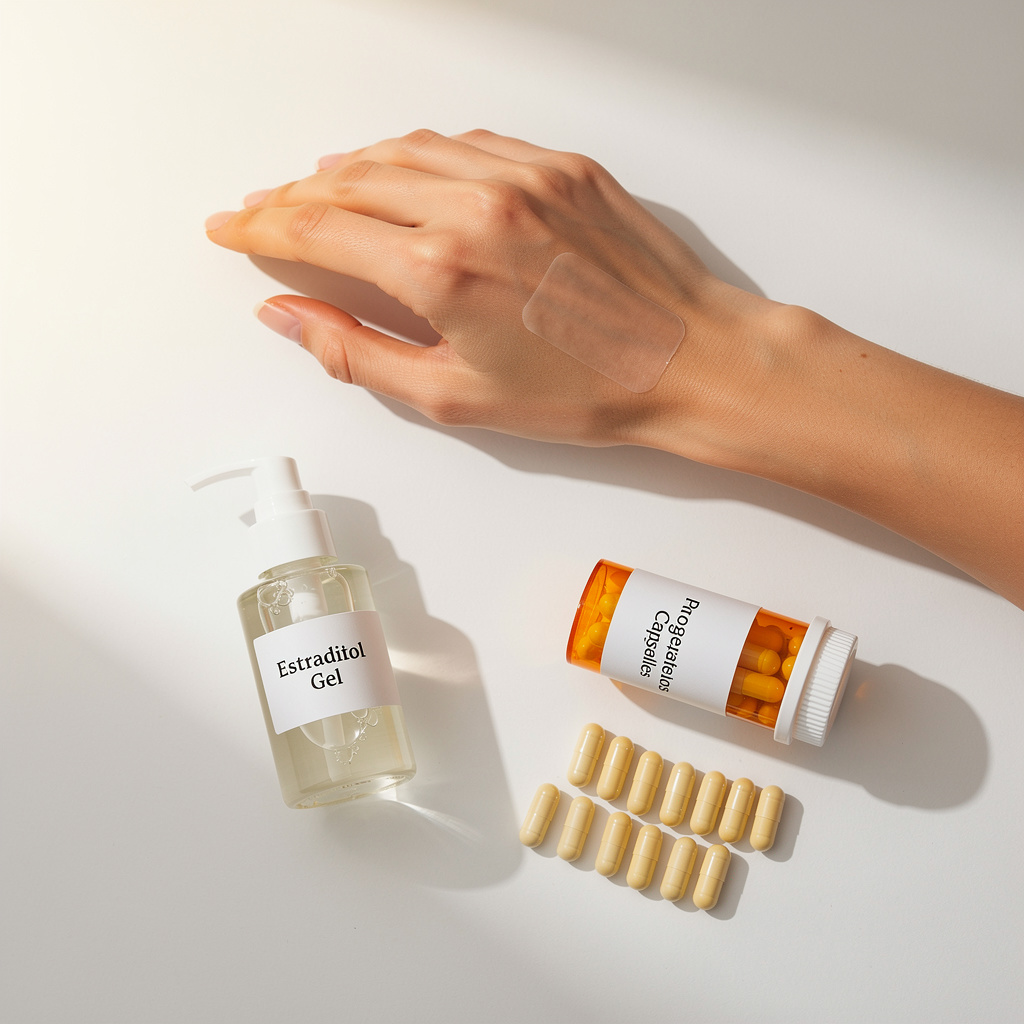
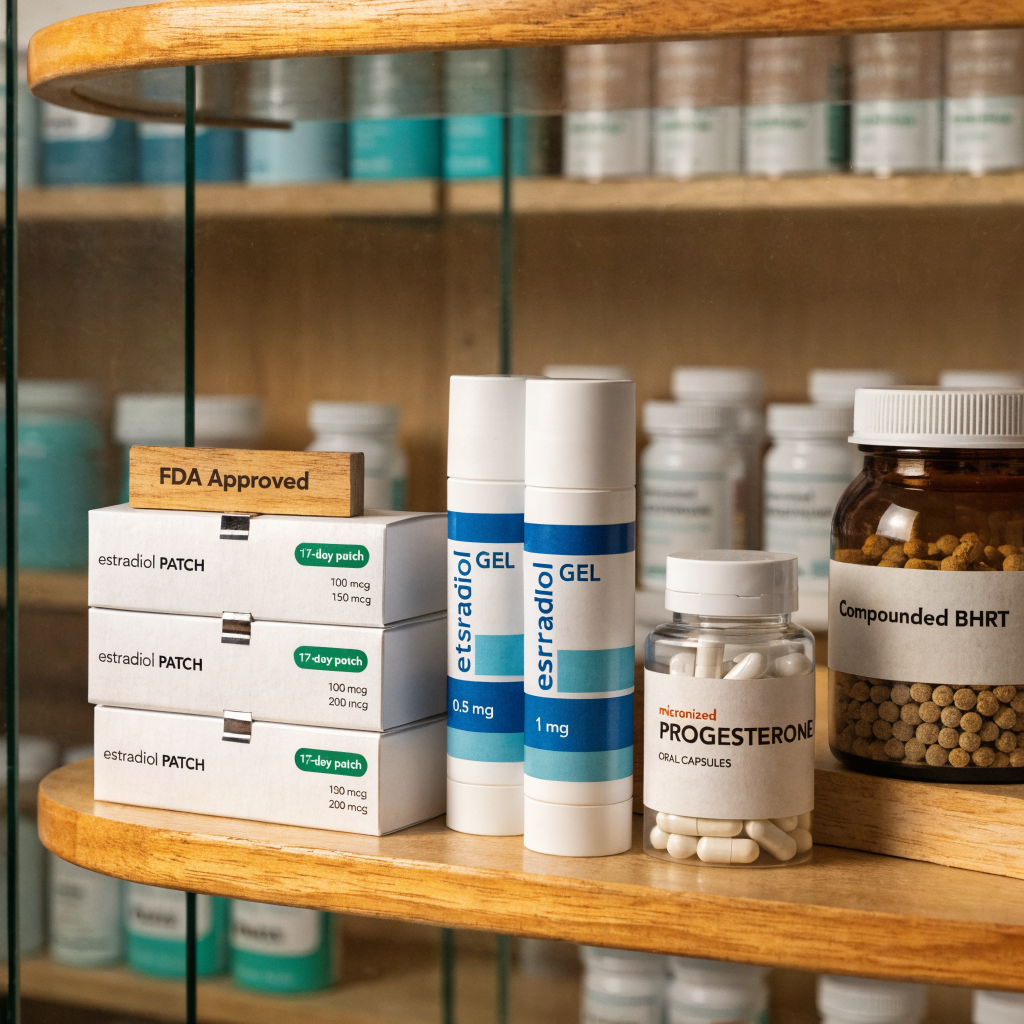
The fact: FDA-approved bioidentical hormones, including estradiol patches, oral micronized progesterone, and estradiol gels, have undergone rigorous safety testing. Compounded bioidentical hormones are custom-mixed and not FDA-approved, meaning they may vary in potency and purity. The Cleveland Clinic notes that claims compounded hormones are safer “remain unsupported.” Both ACOG and The Endocrine Society recommend FDA-approved bioidentical hormones when available. You can read our detailed breakdown of FDA-approved versus compounded bioidentical hormones.
The fact: The FDA’s 2025 label changes removed warnings discouraging long-term use. Cleveland Clinic specialist Dr. Holly Thacker stated her goal is “5 to 10 years of hormone therapy in most women who are open to it and don’t have risk of blood clot.” Safety over time depends on proper monitoring, dose adjustment, and regular follow-up. Many women safely use bioidentical hormone therapy for years or decades under proper medical supervision.
The Department of Health and Human Services described this as an effort to “restore gold-standard science to women’s health” after “more than two decades of fear and misinformation.” The removal of the strongest FDA safety warnings for cardiovascular disease, breast cancer, and dementia from hormone therapy products signals a fundamental shift in the regulatory view of hormone therapy’s risk-benefit profile.
The largest-ever pooled analysis, published in Lancet Oncology, studied over 459,000 women under 55 across four continents. Estrogen-only therapy showed a 14% reduction in breast cancer incidence, with a stronger effect in women who started younger or used it longer. Combination therapy showed a modestly higher risk (10% overall, 18% beyond two years), reinforcing the importance of the specific progestin used.
Multiple medical societies now recommend hormone therapy for women under 60 or within 10 years of menopause. The FDA and HHS cite benefits including up to 30% reduction in all-cause mortality, up to 50% reduction in cardiovascular disease risk, 35% reduction in Alzheimer’s risk, and 50% to 60% reduction in fracture risk. Risks are higher for women starting over age 60 or more than 10 years past menopause onset, which is why individualized evaluation matters.

FDA-approved bioidentical products, including estradiol patches, oral micronized progesterone, and estradiol gels, have passed rigorous safety and efficacy testing. Compounded bioidentical hormones are custom-mixed and not subject to the same FDA approval process. While compounding serves a legitimate purpose for specific patient needs, the Endocrine Society has noted that claims compounded hormones are safer remain unsupported by evidence.
Every woman’s hormone needs are unique, which is why tailored BHRT plans that prioritize FDA-approved options, combined with careful medical supervision, represent the safest approach to bioidentical hormone therapy.
Yes, delivery method matters significantly. Transdermal delivery (patches, gels, creams) has a more favorable safety profile than oral administration. Research shows lower blood clot risk with transdermal estrogen because it bypasses first-pass liver metabolism, which activates clotting factors when you take estrogen orally. The American College of Cardiology recommends transdermal delivery for women with cardiovascular risk factors, and the Cleveland Clinic notes that “transdermal HT poses less risk than oral HT for unfavorable cardiovascular outcomes.”
You can compare BHRT delivery methods and their safety profiles in our comprehensive guide, or learn how choosing the right delivery method affects your safety and results.
BHRT is not appropriate for everyone. Women with the following should have a thorough risk assessment before starting:
These factors do not necessarily mean hormone therapy is off the table. They mean a careful risk-benefit analysis is essential. As the Cleveland Clinic states, “Using any type of hormone therapy is a decision made between you and your healthcare provider after carefully weighing the risks and benefits.” Learn how tailored BHRT plans address your unique health history.
The safety of BHRT depends as much on the quality of medical supervision as on the hormones themselves. Comprehensive blood work (the FDA has warned against salivary testing for dose guidance) and regular follow-up allow your provider to assess symptoms, adjust dosing, and monitor for side effects. A well-monitored BHRT program is a safe BHRT program.
Is BHRT safer than traditional HRT?
FDA-approved bioidentical hormones have a more favorable safety profile than the synthetic hormones used in the WHI study, with lower blood clot risk.
Do bioidentical hormones cause cancer?
The NIH’s 2025 study found estrogen-only therapy reduced breast cancer risk by 14%. Combination therapy with synthetic progestins showed a modest increase, but micronized progesterone did not show the same risk in the E3N cohort study.
Are bioidentical hormones FDA approved?
Many are, including estradiol patches, oral micronized progesterone, and estradiol gels. Compounded bioidentical hormones are not FDA-approved.
What are the side effects of BHRT?
Common adjustment side effects include bloating, breast tenderness, mood changes, and headaches. These typically resolve as hormone levels stabilize. Serious side effects are rare under proper medical supervision.
Is BHRT safe for women over 40?
Women in their 40s and 50s within 10 years of menopause onset are generally considered good candidates, with the timing hypothesis strongly supporting starting within this window.
How long can you safely take bioidentical hormones?
There is no universal time limit. Many women safely use hormone therapy for 5 to 10 years or longer under proper medical supervision. The FDA’s 2025 changes removed previous warnings discouraging longer-term use.
Is compounded BHRT safe?
Compounded preparations are not FDA-approved and may vary in potency. ACOG and The Endocrine Society recommend FDA-approved bioidentical hormones when available.
Can BHRT cause blood clots?
Oral estrogen carries higher clot risk than transdermal delivery. Transdermal estradiol (patches, gels) has significantly lower risk and is recommended for women with clotting risk factors.
Is BHRT safe for breast cancer survivors?
Women with hormone-sensitive breast cancer face a more complex risk-benefit calculation requiring close consultation with an oncologist and hormone specialist.
The question “is BHRT safe” does not have a simple yes-or-no answer, and that is the honest, evidence-based response. Safety depends on the individual, the type of hormone, the delivery method, when you start, and the quality of medical supervision you receive.
The fear generated by the 2002 WHI study was understandable, but two decades of follow-up research, landmark FDA decisions, and the largest-ever pooled analysis of hormone therapy and breast cancer have significantly changed the landscape. The evidence supports bioidentical hormone therapy as a safe, effective option for appropriate candidates when managed by a qualified provider.
At Infusion Health, our providers specialize in personalized, evidence-based hormone optimization for women. We believe every woman deserves to make health decisions based on current science, not outdated fear. If you are considering BHRT or want to understand your personal risk profile, we are here to help. Explore Infusion Health’s BHRT services and learn how tailored BHRT plans address your unique hormone needs, or reach out to schedule a consultation.
This article is for educational purposes only and is not a substitute for professional medical advice, diagnosis, or treatment. Always consult with a qualified healthcare provider before making decisions about hormone therapy.