30+ Years
of Medical Experience

If you have been searching for ways to manage hormonal imbalance, you have probably stumbled down two very different rabbit holes. One leads you toward bioidentical hormone replacement therapy (BHRT), a precision medical approach that uses hormones identical to what your body once produced in abundance. The other leads toward phytoestrogens, plant-derived compounds found in everyday foods like soy, flaxseeds, and legumes that gently interact with your body’s estrogen receptors.
Both options attract millions of women each year who are dealing with hot flashes, brain fog, low energy, mood swings, and a host of other symptoms that can make daily life feel like an uphill battle. The problem is that navigating between these two approaches often feels like choosing between science and nature, as if you cannot have both.
In this guide, we will break down exactly how BHRT and phytoestrogens compare across effectiveness, safety, speed of results, and customization. By the end, you will have a clear framework for deciding which approach (or combination) makes the most sense for your unique situation.
BHRT uses hormones that are chemically identical to your body’s own, directly replacing declining hormone levels. Phytoestrogens are plant compounds that weakly mimic estrogen and can modulate, but not fully replace, your body’s natural hormone activity. In short, BHRT turns up the volume on a fading signal, while phytoestrogens gently adjust the tuning knob.
| Factor | BHRT | Phytoestrogens |
|---|---|---|
| What it is | Hormones chemically identical to your body’s own, derived from plant sources like soy and wild yam | Plant compounds (isoflavones, lignans, coumestans) found in foods like soy, flaxseeds, and legumes |
| How it works | Directly replaces declining hormone levels by binding to receptors with the same affinity as your natural hormones | Weakly binds to estrogen receptors (100 to 1,000x weaker than estradiol); acts as both agonist and antagonist depending on your hormonal environment |
| Source | Prescribed by a healthcare provider; available as FDA-approved formulations or custom-compounded | Found naturally in foods; also available as over-the-counter supplements |
| Potency | High: molecularly identical to human hormones | Low: 100 to 1,000 times less potent than human estrogen |
| Regulation | FDA-approved options are regulated; compounded versions have less oversight | Supplements are not FDA-regulated for safety or efficacy |
| Best for | Moderate to severe hormonal imbalance symptoms requiring precise correction | Mild symptoms or as a dietary approach to support overall hormonal health |
Hormones like estrogen, progesterone, and testosterone act as chemical messengers that regulate nearly every system in your body, from mood and metabolism to sleep quality, body temperature, and libido. When these levels drop or become imbalanced, a cascade of symptoms can follow.
During perimenopause and menopause, estrogen production can decline by as much as 75%. For many women, this brings hot flashes and night sweats, fatigue and low energy, brain fog and difficulty concentrating, mood swings and irritability, unexplained weight gain, vaginal dryness, and decreased libido. These are not minor inconveniences. They are symptoms that can fundamentally alter how you experience daily life.
The search for relief often leads women down two distinct paths: medical hormone replacement or plant-based supplementation. Understanding what bioidentical hormones are and how they work is the first step in evaluating your options.
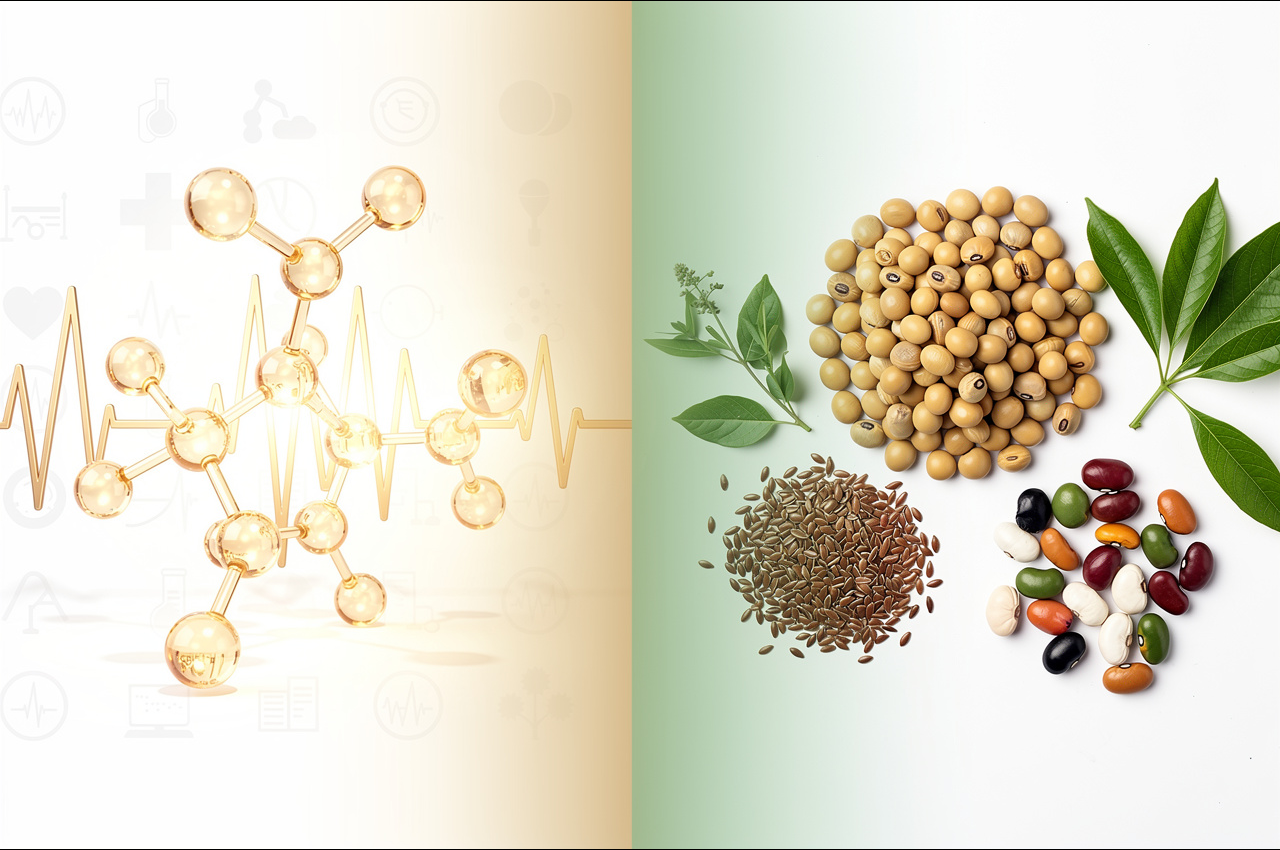
Phytoestrogens are naturally occurring compounds found in plants that have a molecular structure similar enough to estrogen that they can interact with your body’s estrogen receptors. However, “similar” does not mean identical, and that distinction matters more than most people realize.
Isoflavones are the most potent and most researched type. Found in soybeans, tofu, tempeh, edamame, and other legumes, the two key compounds are genistein and daidzein. These are the phytoestrogens most commonly studied for menopausal symptom relief.
Lignans are found in flaxseeds (which contain the highest concentration of any food), whole grains, berries, nuts, and seeds. They are metabolized by gut bacteria into enterolignans, which then interact with estrogen receptors.
Coumestans are found in clover, alfalfa sprouts, and spinach. They are less commonly studied but share similar estrogen-modulating properties.
Here is where the science gets interesting. Phytoestrogens bind to both types of estrogen receptors in your body: ER-alpha and ER-beta, with a higher affinity for ER-beta. What makes them unique is their dual action: depending on your existing hormone levels, they can act as either weak estrogen boosters (agonists) or mild estrogen blockers (antagonists). This behavior is sometimes called selective estrogen receptor modulator-like activity.
The catch? Phytoestrogens are 100 to 1,000 times less potent than your body’s natural estradiol (Patisaul and Jefferson, 2010). This means they cannot produce the same magnitude of estrogenic effect as bioidentical hormones. Your gut microbiome also plays a major role: only about 30 to 50 percent of people have the gut bacteria needed to convert isoflavones into equol, the most active metabolite. If you are not an equol producer, the benefits you get from phytoestrogens may be significantly reduced (Cleveland Clinic, 2024).
Bioidentical hormone replacement therapy takes a fundamentally different approach. Rather than introducing a plant compound that loosely interacts with your receptors, BHRT provides the exact molecule your body is missing. Estradiol is estradiol, progesterone is progesterone, and your body recognizes and processes them exactly as it would its own naturally produced hormones.
It is important to distinguish bioidentical hormones from synthetic hormones. Synthetic options, like conjugated equine estrogens (derived from pregnant mare urine) or synthetic progestins, have a slightly different molecular structure than human hormones. This structural difference can change how your body metabolizes them, sometimes leading to side effects that bioidentical versions may not cause.
Bioidentical hormones, by contrast, have the same chemical bonds and structure as the hormones your ovaries once produced. Your body treats them as its own. This molecular match is why many practitioners and patients prefer bioidentical options over synthetic alternatives (Files et al., 2011).
BHRT is not a one-size-fits-all approach. Treatment begins with comprehensive testing (blood, saliva, or urine) to establish your unique hormone profile. Your practitioner then analyzes those results alongside your symptoms and medical history to create a tailored protocol.
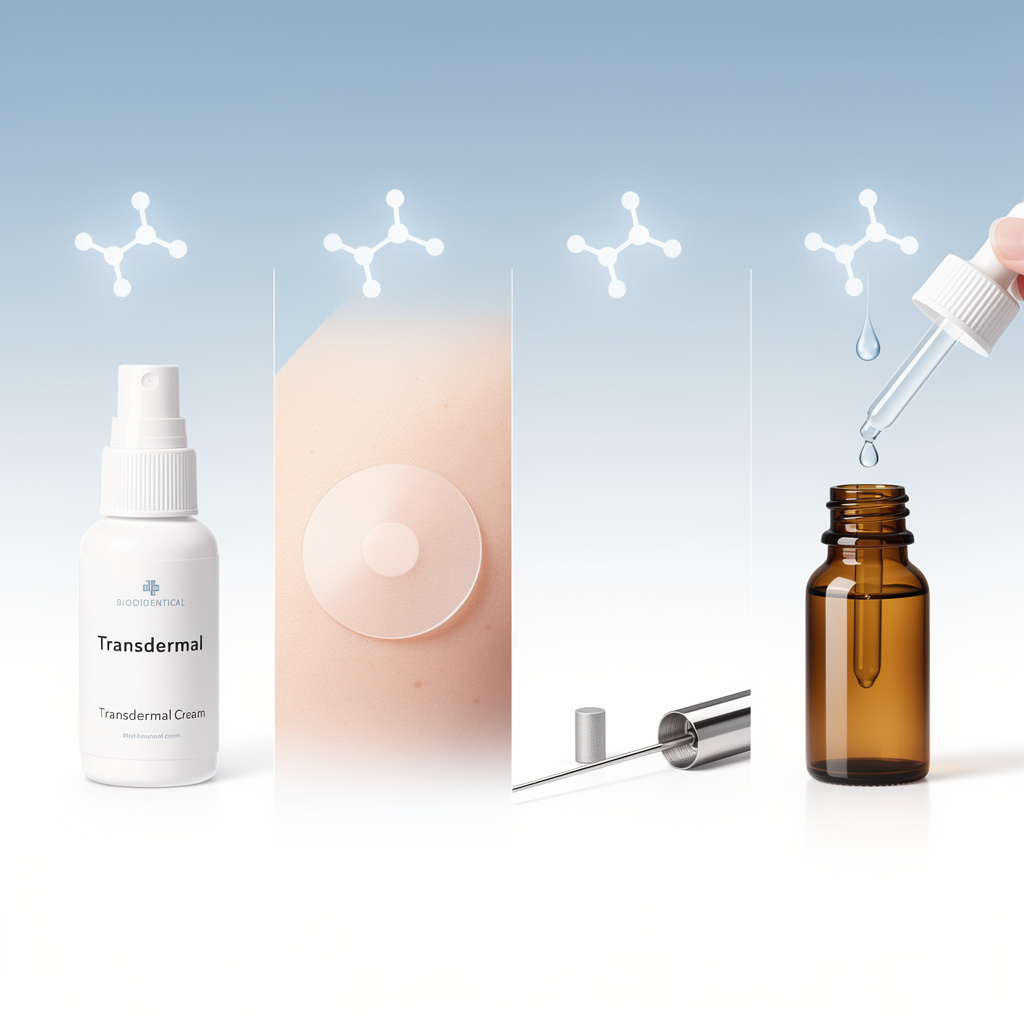
Delivery methods vary widely, including BHRT delivery methods like creams, pellets, pills, patches, and injections. Each has a different absorption profile, and your provider can help you in choosing the right BHRT delivery method for your lifestyle. Regular follow-up testing ensures your levels stay in the optimal range and allows for adjustments as needed.
This is the core scientific difference between the two approaches, and understanding it is essential for making an informed decision.
Phytoestrogens modulate. They interact with estrogen receptors without delivering full estrogenic effects. Think of them as a gentle nudge: they can slightly increase or decrease estrogenic activity depending on what your body needs. But they cannot replace significant estrogen deficits. When your levels have dropped substantially, a gentle nudge may not be enough.
BHRT replaces. Bioidentical hormones fill the receptor sites with the exact molecule your body is missing. This is like turning up the volume on a signal that has faded. The effect is more direct, more predictable, and more powerful.
The lock and key analogy makes this concrete: BHRT provides the exact key that fits the lock (receptor) perfectly. Phytoestrogens provide a similar but imperfect key that jiggles the lock without fully turning it. For mild deficiencies, that jiggling might produce a useful effect. For significant deficiencies, you need the right key.
Individual variability adds another layer of complexity. Some people are equol producers and may get more benefit from phytoestrogens than others, making outcomes highly unpredictable. BHRT, by contrast, delivers consistent results because it is not dependent on your gut microbiome composition.
Hot flashes and night sweats: BHRT is the gold standard, with studies showing up to 80 to 90 percent reduction in moderate to severe cases. Phytoestrogens show modest improvement in mild cases but produce inconsistent results in clinical trials. A comprehensive review in JAMA found insufficient evidence to recommend phytoestrogens as a primary treatment for vasomotor symptoms (JAMA, 2000).
Bone health: BHRT preserves bone density and reduces fracture risk with strong clinical evidence behind it. Phytoestrogen research shows mixed results; some studies suggest modest benefit but nothing comparable to the bone-protective effects of BHRT.
Mood and cognition: BHRT shows clear benefits for mood stability and cognitive function. Phytoestrogen research shows small improvements in visual memory but inconsistent results overall.
Vaginal health: BHRT, especially local or topical application, is highly effective for vaginal dryness and atrophy. Phytoestrogen effects in this area are minimal.
BHRT: FDA-approved options have well-established safety profiles. Risks include blood clots (though transdermal delivery significantly reduces this risk), breast tenderness, and potential concerns related to hormone-sensitive cancers. Compounded versions lack the same level of regulatory oversight, which is why working with a qualified provider is essential.
Phytoestrogens: Generally well-tolerated as part of a normal diet. High-dose supplements may cause gastrointestinal issues. Interestingly, research has noted that phytoestrogens share some molecular properties with synthetic endocrine disruptors like BPA, which raises questions about long-term high-dose supplementation (Patisaul and Jefferson, 2010). Women with thyroid conditions or estrogen-sensitive cancers should consult a provider before using phytoestrogen supplements.
BHRT: Many women notice improvements within days to weeks of starting treatment. Full optimization typically takes three to six months with dosage adjustments along the way.
Phytoestrogens: Effects are subtle and gradual. Clinical trials typically run six weeks to twelve months before measurable changes appear. If you are looking for faster relief from disruptive symptoms, this timeline can feel frustrating.
BHRT: Highly customizable. Your provider can adjust the dose, select specific hormones, choose a delivery method, and create a combination protocol tailored to your exact needs.
Phytoestrogens: One-size-fits-all in supplement form. While you can vary your dietary intake, you cannot precisely dose or control which phytoestrogens your body absorbs and activates.
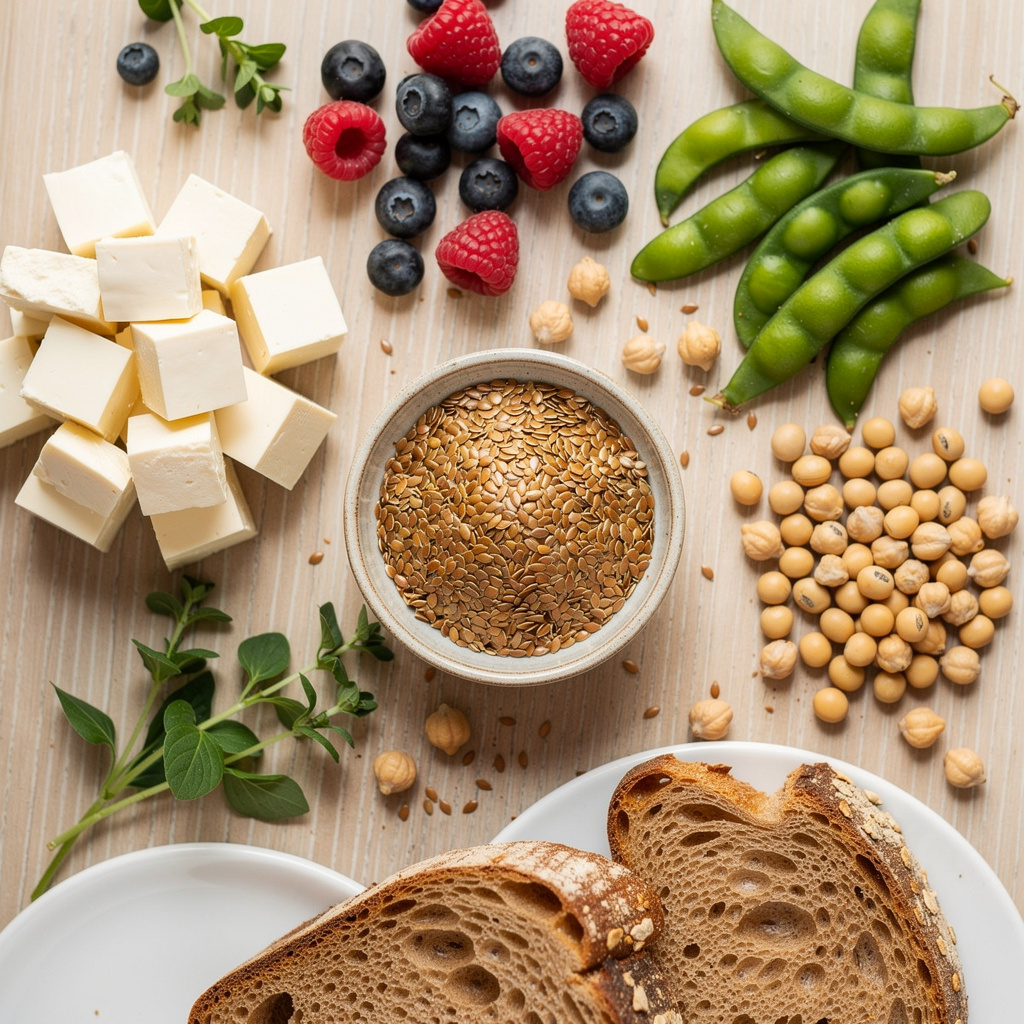
We believe in giving both approaches fair treatment. Phytoestrogens are not an inferior option in every scenario. There are situations where they are a perfectly reasonable first line of defense or a helpful complementary approach:
Mild perimenopausal symptoms such as occasional hot flashes or minor sleep disruption may respond well to dietary phytoestrogens. If your symptoms are manageable and not significantly impacting your quality of life, starting with food-based phytoestrogens is a reasonable approach.
Preventive dietary approach: Women in their 30s and early 40s who want to support long-term hormone health may benefit from incorporating phytoestrogen-rich foods into their regular diet as a proactive measure.
Personal health history: For women who cannot or choose not to use hormone therapy due to medical history concerns, phytoestrogens offer a gentler alternative.
Part of a comprehensive lifestyle approach: Phytoestrogens work best as one piece of a larger wellness puzzle that includes balanced nutrition, regular exercise, stress management, and quality sleep.
The best food sources to incorporate include ground flaxseeds (one to two tablespoons daily), fermented soy products like tempeh and miso, legumes, whole grains, and berries. One important caveat: phytoestrogen supplements are not regulated for safety or potency. Whole food sources are generally the safer choice (Cleveland Clinic, 2024).
BHRT shines brightest when symptoms are significant, hormone levels have measurably declined, and precision matters. Here are the scenarios where BHRT is typically the stronger option:
Moderate to severe menopausal symptoms that disrupt your daily life, sleep, and relationships. When hot flashes wake you multiple times a night or brain fog makes it hard to do your job, you need something more potent than a gentle plant compound.
Significant bone density concerns or osteoporosis risk. BHRT has strong evidence for preserving bone density and reducing fracture risk, something phytoestrogens cannot match.
Confirmed hormone deficiency: When comprehensive testing reveals that your hormone levels have dropped substantially, direct replacement is more effective than modulation.
After lifestyle changes have not been enough. Many women try dietary modifications, supplements, and lifestyle adjustments first. When those steps do not provide adequate relief, BHRT offers a reliable next step.
The key is that BHRT requires proper testing, qualified provider oversight, and ongoing monitoring. This is where personalized BHRT plans at Infusion Health can make a real difference in your outcomes.
This is one of the most common questions we hear, and the answer is more nuanced than a simple yes or no.
Many women naturally use both. You might be on a prescribed BHRT protocol while also eating a diet rich in soy, flaxseeds, and legumes. From a food-based phytoestrogen perspective, this is generally considered safe and reasonable.
The consideration arises with high-dose phytoestrogen supplements. Because phytoestrogens interact with the same estrogen receptors that your BHRT hormones target, concentrated supplements could theoretically compete with your bioidentical hormones at the receptor level. No large-scale studies have specifically examined the interaction between BHRT and high-dose phytoestrogen supplements, so the safest approach is to get your phytoestrogens from whole foods and discuss any supplements with your healthcare provider if you are on BHRT.
Evidence matters. Here is a summary of the most relevant research on BHRT and phytoestrogens:
Patisaul and Jefferson (2010), PMC/NIH: This comprehensive review examined the pros and cons of phytoestrogens. The authors found that health benefits “may be overstated” and noted that phytoestrogens share molecular properties with synthetic endocrine disruptors like BPA. They concluded that effects depend on age, health status, and gut microbiome composition. Source
Files et al. (2011), PMC/NIH: This review of bioidentical hormone therapy confirmed that bioidentical hormones are effective for menopausal symptoms. The study noted that FDA-approved bioidentical products have established safety data, while compounded versions lack large-scale studies. Source
JAMA Review (2000): This study compared phytoestrogens to traditional estrogen replacement therapy and found that “clinically proven health benefits of prescribed ERT far outweigh those of phytoestrogens.” The authors concluded there was insufficient evidence to recommend phytoestrogens in place of ERT. Source
Cleveland Clinic (2024): Reviewed phytoestrogen benefits for brain health, menopause symptoms, bone density, and cancer risk. Found modest evidence for symptom relief and bone health but stated that “more research is needed.” Source
Women’s Mental Health at MGH: Reviewed phytoestrogens for menopause and concluded: “Overall, there did not appear to be evidence supporting the effectiveness of phytoestrogen treatments in the treatment of menopausal vasomotor symptoms.” Source
BHRT uses hormones chemically identical to your body’s own to directly replace declining levels. Phytoestrogens are plant compounds that weakly mimic estrogen and modulate (but do not replace) hormone activity.
No. Phytoestrogens are 100 to 1,000 times weaker than human estradiol. For moderate to severe symptoms, BHRT is significantly more effective. Phytoestrogens may provide modest help for mild symptoms.
According to JAMA and NIH research, no. There is insufficient evidence that phytoestrogens can adequately replace estrogen replacement therapy for significant hormone deficiency symptoms.
Both have different risk profiles. BHRT from FDA-approved sources has established safety data with proper monitoring. Phytoestrogen supplements are unregulated, and their long-term high-dose effects are not well studied. Whole food sources are generally safe.
Flaxseeds have the highest lignan content. Soybeans and soy products like tofu, tempeh, and edamame are rich in isoflavones. Other good sources include chickpeas, lentils, whole grains, berries, and seeds.
Generally yes, when phytoestrogens come from food sources. However, high-dose phytoestrogen supplements may interact with BHRT at receptor sites. Always consult your healthcare provider.
Clinical trials typically run six weeks to twelve months before measurable changes appear. Effects are subtle and gradual compared to BHRT, which often produces noticeable improvements within weeks.
As dietary intake, phytoestrogens are generally well-tolerated. High-dose supplements can cause gastrointestinal issues. People with thyroid conditions or estrogen-sensitive cancers should consult a provider before use.
BHRT hormones are made from plant sources like soy and wild yam but undergo laboratory processing to become molecularly identical to human hormones. Whether that counts as “natural” depends on your definition.
Research shows mixed results. Some studies show modest improvement in hot flashes, but major reviews from JAMA, NIH, and MGH conclude the evidence is not strong enough to recommend phytoestrogens as a primary treatment for menopausal symptoms.
Here is a simple decision framework to help you think through your next step:
If your symptoms are mild and manageable, start with phytoestrogen-rich foods (ground flaxseeds, fermented soy, legumes) and lifestyle changes including regular exercise, stress management, and quality sleep. Give this approach three to six months and evaluate how you feel.
If your symptoms are moderate to severe and are disrupting your sleep, work, relationships, or overall quality of life, BHRT under qualified medical supervision offers more reliable and faster relief. The precision of bioidentical hormones means your provider can tailor the approach to your exact needs.
The most important step you can take is comprehensive hormone testing. Understanding where your levels actually are takes the guesswork out of the equation and points you toward the approach most likely to help.
There is no shame in needing medical support, and there is no requirement to abandon dietary phytoestrogens if they are part of a healthy eating pattern. The best outcomes often come from an informed, integrated approach.
If you are ready to explore your options, the team at Infusion Health can help. Our providers offer comprehensive hormone testing and personalized BHRT plans tailored to your unique needs. Schedule a telemedicine consultation to learn how we can support your hormonal health journey.