30+ Years
of Medical Experience

If you’ve ever brushed off constant fatigue, unexplained weight gain, thinning hair, or mood swings as “just stress” or “part of getting older,” you’re not alone. For millions of women across the world, these persistent symptoms are not a sign of burnout or aging, but a red flag for an underlying thyroid imbalance that goes undiagnosed for years. Research shows that 1 in 8 women will develop a thyroid disorder at some point in her lifetime, and women are 5 to 8 times more likely than men to experience thyroid dysfunction. The thyroid, a small butterfly-shaped gland located at the base of your neck, produces hormones that regulate nearly every system in your body, from your metabolism and energy levels to your reproductive health, mood, and even heart function. When this gland falls out of balance, the ripple effects touch every corner of a woman’s wellness, yet far too many women are told their symptoms are “all in their head” or that their lab results are “normal” when they clearly feel unwell. Thyroid symptoms often overlap with perimenopause and postpartum changes, leading to frequent misdiagnosis and delayed care that can impact your quality of life for years. Understanding the deep, often overlooked link between thyroid health and women’s wellness is the first step to getting the care you need, regaining your energy, and thriving at every stage of life.
The gender gap in thyroid health is not a coincidence, it is driven by a combination of hormonal, genetic, and life stage factors that make women uniquely vulnerable to thyroid imbalances. Unlike men, women experience regular hormonal fluctuations across their menstrual cycle, pregnancy, perimenopause, and menopause, all of which directly impact thyroid function. Estrogen, the primary female sex hormone, increases production of thyroid binding globulin (TBG), a protein that binds to thyroid hormones in the bloodstream, making less free, usable T3 and T4 available to your body’s cells. When estrogen levels are elevated, as they are during pregnancy, while taking high-estrogen birth control, or during perimenopause, TBG levels rise, leading to hypothyroid symptoms even if the thyroid gland is producing adequate amounts of hormone. Progesterone, another key female hormone, helps balance the effects of estrogen on TBG, so when progesterone levels drop (as they do after ovulation, during perimenopause, or after childbirth), thyroid function can suffer even more.
Women are also far more likely to develop autoimmune disorders in general, and Hashimoto’s thyroiditis (the most common cause of hypothyroidism) is an autoimmune condition, in which the immune system mistakenly attacks the thyroid gland, gradually destroying its ability to produce hormones. Genetic factors linked to the X chromosome increase this risk, as women have two X chromosomes that carry genes related to immune regulation. Hormonal fluctuations across the menstrual cycle, pregnancy, and menopause can also trigger autoimmune responses in susceptible individuals, with many women developing Hashimoto’s for the first time after childbirth, when the immune system rebounds after being suppressed during pregnancy to protect the developing fetus.
Every major life stage for women brings hormonal changes that can trigger or worsen thyroid dysfunction. During puberty, the surge of estrogen and progesterone can trigger the onset of thyroid disorders in susceptible girls, leading to symptoms like fatigue, weight gain, and irregular periods that are often dismissed as “normal teenage moodiness.” Across reproductive years, heavy, irregular, or painful periods are a common but frequently overlooked sign of hypothyroidism, as thyroid hormones regulate the menstrual cycle and ovulation. Up to 1 in 4 women develop postpartum thyroiditis within the first year after childbirth, with many cases misdiagnosed as postpartum depression due to overlapping symptoms of fatigue, mood swings, and brain fog. The hormonal fluctuations of perimenopause and menopause are another high-risk period, as declining progesterone and erratic estrogen levels disrupt thyroid function, with symptoms often misattributed to menopause itself, leading to delayed diagnosis and treatment. Chronic stress from life changes like caregiving, career transitions, or relationship shifts also play a role, as elevated cortisol levels suppress thyroid hormone production and worsen existing imbalances.
Thyroid disorders fall into two broad categories: hypothyroidism (underactive thyroid) and hyperthyroidism (overactive thyroid), with several condition-specific variants that disproportionately impact women. Understanding the differences between these disorders can help you recognize symptoms early and seek appropriate care.
Hypothyroidism occurs when the thyroid gland does not produce enough of the active thyroid hormones T3 and T4. The most common cause is Hashimoto’s thyroiditis, an autoimmune condition that slowly damages the thyroid over time. Symptoms of hypothyroidism include persistent fatigue, unexplained weight gain, cold intolerance, constipation, dry itchy skin, thinning hair, heavy or irregular periods, depression, brain fog, and slowed heart rate. Many women live with subclinical hypothyroidism, a condition where TSH levels are slightly elevated but T4 levels are still within the standard “normal” range, yet they experience debilitating symptoms that impact their daily lives. Standard lab reference ranges for TSH often go up to 4.5 mIU/L, but most experts agree that the optimal TSH range for women is between 1 and 2 mIU/L, meaning many women with symptoms are told their labs are normal when they clearly have an imbalance.
Hyperthyroidism occurs when the thyroid gland produces too much T3 and T4. The most common cause is Graves’ disease, an autoimmune disorder that stimulates the thyroid to overproduce hormones. Women are 7 times more likely than men to develop Graves’ disease, and symptoms include unexplained weight loss despite increased appetite, rapid or irregular heartbeat, anxiety, heat intolerance, hand tremors, frequent bowel movements, insomnia, and light or absent periods. If left untreated, hyperthyroidism can lead to serious complications like heart arrhythmias, heart failure, and osteoporosis. Some women experience temporary hyperthyroidism as part of postpartum thyroiditis, as damaged thyroid cells release stored hormones in the first few months after childbirth.
Postpartum thyroiditis is a form of thyroid inflammation that affects up to 10% of women within the first year after childbirth, caused by the immune system rebounding after pregnancy. The first phase typically presents with hyperthyroid symptoms like anxiety, irritability, weight loss, and palpitations, as damaged thyroid cells release stored hormones. The second phase, which can last for months, brings hypothyroid symptoms like extreme fatigue, postpartum depression, hair loss, and difficulty losing pregnancy weight, as the thyroid is depleted of hormone stores. Most women recover normal thyroid function within 18 months, but up to 20% develop permanent hypothyroidism that requires lifelong treatment. Many women with postpartum thyroiditis are misdiagnosed with postpartum depression, as the symptoms are nearly identical, leading to delayed treatment and prolonged suffering.
Thyroid nodules are abnormal growths on the thyroid gland, most of which are benign and require no treatment, but 5-10% are cancerous. Women are 3 times more likely than men to develop thyroid nodules, and thyroid cancer is the fastest growing cancer in women under 30. Risk factors for thyroid cancer include a family history of thyroid cancer, previous radiation exposure to the neck or chest, and Hashimoto’s thyroiditis. The most common type of thyroid cancer, papillary thyroid cancer, is highly treatable, with a 98% 5-year survival rate when caught early. Warning signs that warrant immediate medical evaluation include a visible lump in the front of the neck, difficulty swallowing, hoarseness that lasts more than 2 weeks, or persistent neck pain.
Thyroid symptoms are notoriously nonspecific, meaning they overlap with many other common women’s health issues, leading to frequent misdiagnosis. Many women spend years being told their symptoms are due to stress, depression, anxiety, or menopause, when the root cause is a treatable thyroid imbalance. Below are the most common overlooked symptoms broken down by category.
Hypothyroid symptoms like fatigue, weight gain, low mood, and brain fog are often dismissed as “just stress” or early perimenopause, while hyperthyroid symptoms like anxiety, jitteriness, and insomnia are often mislabeled as panic disorder or generalized anxiety. This misdiagnosis is especially common in women in their 30s, 40s, and 50s, who are often told their symptoms are a “normal part of aging” or “hormonal changes.”
Irregular periods, heavy bleeding that lasts more than 7 days, painful cramping, difficulty conceiving, recurrent miscarriages, low libido, and vaginal dryness are all often linked to thyroid imbalance, as thyroid hormones regulate the menstrual cycle, ovulation, and the health of reproductive tissues. Unexplained infertility is frequently traced back to an undiagnosed thyroid disorder in women, with studies showing that treating hypothyroidism can improve fertility outcomes in up to 70% of women with unexplained infertility.
Unexplained weight gain or the inability to lose weight despite consistent diet and exercise, constant fatigue even after 7-9 hours of sleep, persistent cold intolerance even when others are comfortable, slow resting heart rate, and high cholesterol that does not respond to dietary changes or medication are classic signs of hypothyroidism. For hyperthyroidism, unexplained weight loss despite increased appetite, rapid or irregular heartbeat, jitteriness, heat intolerance, and insomnia are common warning signs that are often misattributed to anxiety or a high-stress lifestyle.
Dry, flaky, or itchy skin, thinning hair that falls out in clumps, brittle nails that break easily, loss of the outer third of the eyebrows (a classic sign of hypothyroidism), and puffiness in the face and under the eyes are all visible signs of thyroid dysfunction, as thyroid hormones regulate skin cell turnover, hair growth cycles, and nail strength. Many women write off these changes as cosmetic issues or side effects of aging, when they are actually a sign of an underlying thyroid imbalance that can be treated.
One of the biggest barriers to proper thyroid care for women is the overreliance on a single TSH test to diagnose thyroid dysfunction, which misses many cases of subclinical and early thyroid disease. If you have persistent thyroid symptoms but have been told your labs are normal, you are not alone, and there are steps you can take to get an accurate diagnosis.
Most standard thyroid testing only measures TSH (thyroid stimulating hormone), a hormone produced by the pituitary gland that signals the thyroid to produce more T3 and T4. However, TSH alone does not provide a full picture of thyroid health. A comprehensive thyroid panel includes TSH, free T4, free T3, reverse T3, thyroid peroxidase (TPO) antibodies, and thyroglobulin antibodies. TPO antibodies are used to diagnose Hashimoto’s thyroiditis, while reverse T3 is an inactive form of T3 that can build up when the body is under chronic stress, leading to hypothyroid symptoms even if TSH and T4 are within standard normal ranges. Many laboratories use broad “normal” reference ranges that include people with thyroid dysfunction, so optimal ranges are often narrower. For most women, an optimal TSH level is between 1 and 2 mIU/L, while many labs list up to 4.5 mIU/L as normal, meaning many women with symptoms are incorrectly told their thyroid is functioning properly.
Studies show that women are more likely than men to have their pain and symptoms dismissed by healthcare providers, and thyroid symptoms are no exception. If you go to your doctor with persistent symptoms and are told your labs are “normal” or that your issues are due to stress or menopause, do not give up. First, ask for a full thyroid panel that includes TPO antibodies. Bring a detailed symptom journal that tracks your symptoms alongside your menstrual cycle, diet, stress levels, and sleep patterns to help your provider identify patterns. If your concerns are still dismissed, seek out a functional medicine practitioner, an endocrinologist, or a naturopathic doctor who specializes in thyroid health. You know your body better than anyone, and you deserve care that addresses the root cause of your symptoms rather than just masking them with antidepressants or anti-anxiety medications.
For many women, especially those with early-stage Hashimoto’s or subclinical thyroid imbalances, natural lifestyle and dietary changes can significantly improve symptoms and slow the progression of thyroid disease. These strategies work best when paired with medical treatment, not as a replacement for it.
Certain nutrient deficiencies are strongly linked to thyroid dysfunction, especially in women, who are more likely to experience deficiencies due to menstrual blood loss, pregnancy, and dietary restrictions. Addressing these deficiencies is a critical first step to supporting thyroid health.
Iodine is a critical building block of thyroid hormones, and deficiency can lead to hypothyroidism and goiter. However, too much iodine can also trigger thyroid dysfunction, especially in women with Hashimoto’s thyroiditis. The safest way to get iodine is from whole food sources like seaweed, fatty fish, dairy products, and eggs, rather than high-dose supplements, unless a blood test confirms a deficiency. Avoid kelp supplements, which can contain dangerously high levels of iodine that worsen autoimmune thyroid activity.
Selenium is required to convert the inactive T4 hormone into the active T3 form that your body can use. Just one or two Brazil nuts per day provides more than enough selenium for most people, and other good sources include shellfish, chicken, and eggs. Zinc supports T3 production and regulates immune function, and low zinc levels are closely linked to hypothyroidism. Iron is also critical for thyroid hormone production, and iron deficiency anemia is extremely common in women, especially those with heavy menstrual bleeding, which can significantly worsen hypothyroid symptoms. If you have low iron levels, work with a provider to supplement safely, as high-dose iron can cause digestive upset.
For women with Hashimoto’s thyroiditis, reducing chronic inflammation is key to slowing the autoimmune attack on the thyroid. Start by eliminating pro-inflammatory foods like processed sugars, refined grains, fried foods, and excessive alcohol. Many women with Hashimoto’s find significant symptom relief by eliminating gluten, as gluten can trigger an immune response that cross-reacts with thyroid tissue, worsening autoimmune activity. Focus on a diet rich in whole, unprocessed foods: leafy green vegetables, fatty fish like salmon and sardines, nuts, seeds, and antioxidant-rich fruits and vegetables. Limit highly processed soy products, as they can interfere with thyroid hormone absorption, and moderate your intake of raw cruciferous vegetables like kale, broccoli, and cauliflower, as they contain goitrogens that can block thyroid hormone production when consumed in very large amounts raw. Cooking cruciferous vegetables neutralizes goitrogens, so you do not have to avoid them entirely. Another key step to support thyroid health is limiting exposure to endocrine-disrupting chemicals (EDCs) that interfere with thyroid hormone production and function. Common EDCs include bisphenol A (BPA) found in plastic water bottles and food containers, phthalates found in cosmetics and cleaning products, and flame retardants found in furniture and electronics. Opt for glass food containers, choose fragrance-free personal care products, and avoid heating plastic containers to reduce your exposure to these harmful chemicals that can exacerbate thyroid dysfunction.
Chronic stress is one of the most underrecognized contributors to thyroid dysfunction in women. When you are under constant stress, your body produces high levels of cortisol, the primary stress hormone, which suppresses the hypothalamic-pituitary-thyroid (HPT) axis, the system that regulates thyroid hormone production. High cortisol also increases reverse T3, the inactive form of T3, which blocks active T3 from binding to cell receptors, leading to hypothyroid symptoms even if your thyroid is producing adequate amounts of hormone. Chronic stress also leads to HPA axis dysfunction, a condition where your body’s stress response system becomes dysregulated, further impairing thyroid function. Prioritizing stress management is a non-negotiable part of supporting thyroid health for women. Practices like meditation, gentle yoga, deep breathing exercises, regular low-impact movement like walking or swimming, and getting 7-9 hours of quality sleep per night can lower cortisol levels and support healthy thyroid function. Avoid over-exercising, which can raise cortisol levels and worsen thyroid symptoms over time.
While natural lifestyle changes can support thyroid health, many women require medical intervention to restore hormone balance and relieve symptoms. Working with a knowledgeable provider to find the right treatment plan for your specific condition is critical to feeling your best.
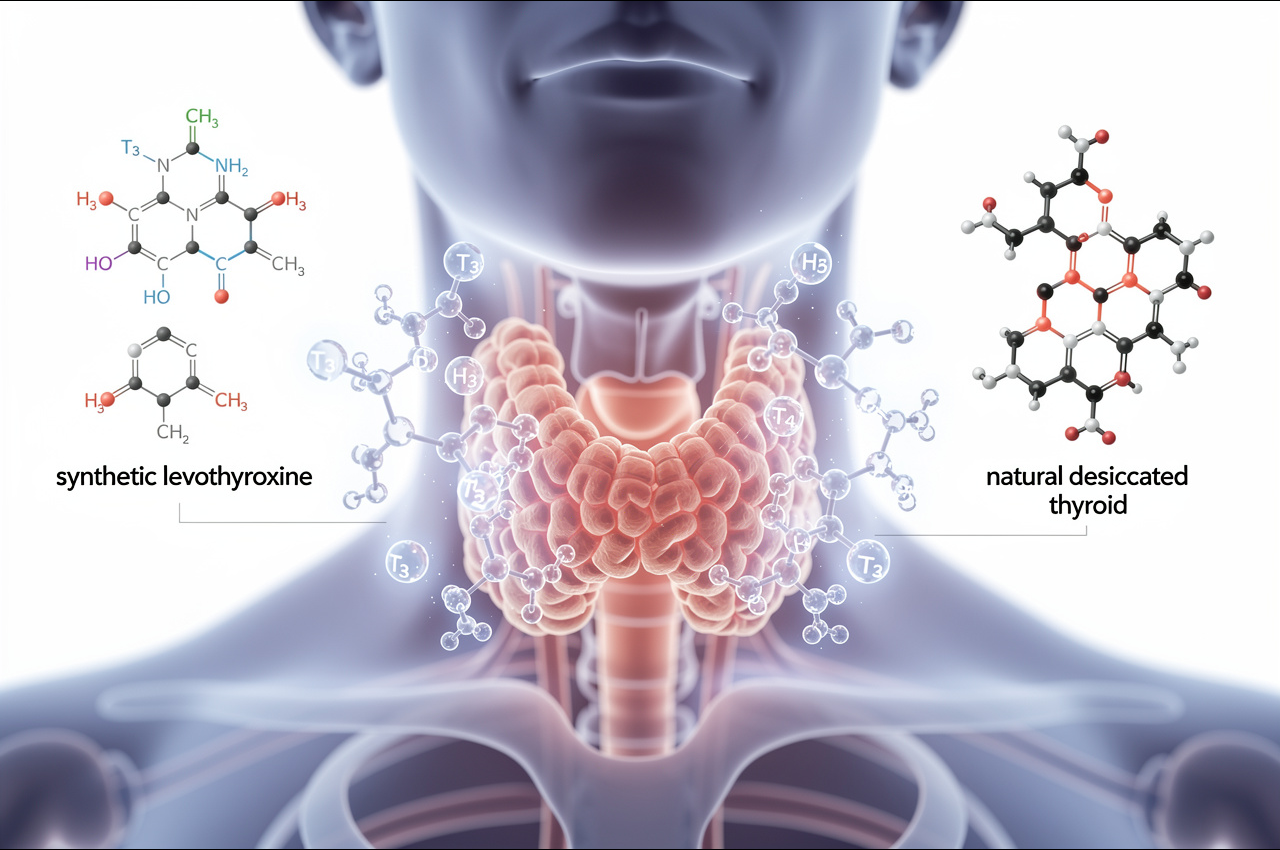
The standard first-line treatment for hypothyroidism is levothyroxine, a synthetic form of the T4 hormone that the body converts to the active T3 form. Many women find that levothyroxine alone does not fully resolve their symptoms, as some people have difficulty converting T4 to T3, or have underlying issues like adrenal dysfunction or nutrient deficiencies that interfere with hormone absorption. In these cases, a provider may prescribe a combination of T4 and T3 medication, or a desiccated thyroid medication derived from porcine thyroid, which contains both T4 and T3 in a form that closely mirrors the hormones produced by the human thyroid. It is important to work closely with your provider to adjust your dosage over time, as thyroid needs change throughout different life stages, including during pregnancy, perimenopause, and menopause. Do not settle for feeling “almost normal” your symptoms should be fully resolved with the right treatment plan.
Treatment for hyperthyroidism depends on the severity of the condition and its underlying cause. Anti-thyroid medications like methimazole or propylthiouracil (PTU) work by blocking the thyroid from producing excess hormones, and are often used as a first-line treatment, especially in pregnant women. Beta blockers are commonly prescribed to manage symptoms like rapid heartbeat, tremors, and anxiety while anti-thyroid medications take effect. For more permanent relief, radioactive iodine therapy is used to destroy overactive thyroid cells, which usually leads to hypothyroidism that requires lifelong levothyroxine treatment. In some cases, surgery to remove part or all of the thyroid gland is recommended, especially if there are large nodules, thyroid cancer, or if other treatments are not effective.
The vast majority of thyroid cancers are papillary thyroid cancer, which has a 98% 5-year survival rate when caught early. Treatment typically involves surgery to remove the affected lobe of the thyroid or the entire gland, followed by a dose of radioactive iodine to destroy any remaining cancer cells. After surgery, you will need to take levothyroxine for life to replace the hormones your thyroid no longer produces, and to suppress TSH levels to prevent cancer recurrence. Recovery from thyroid surgery is usually quick, with most women returning to normal daily activities within 2 weeks, though you may experience a sore throat and mild fatigue for a few days after the procedure. Regular follow-up appointments with an endocrinologist are critical to monitor for cancer recurrence and adjust your medication dosage as needed.
Thyroid health is not just about relieving symptoms like fatigue and weight gain, it is a foundational pillar of overall wellness that impacts every aspect of a woman’s life, from her reproductive health to her risk of chronic disease later in life. Prioritizing your thyroid health can have far-reaching benefits that extend far beyond the scale or your energy levels.
Untreated thyroid dysfunction is a leading, often overlooked cause of infertility and pregnancy complications in women. Hypothyroidism can interfere with ovulation, making it harder to conceive, and increases the risk of miscarriage, preterm birth, and low birth weight. Hyperthyroidism raises the risk of preterm birth, preeclampsia, and low birth weight, as well as miscarriage in severe cases. Managing thyroid levels to the optimal range before conception and monitoring levels closely throughout pregnancy is critical for both the mother and baby’s health. Thyroid medication dosage requirements often increase during pregnancy, so regular testing is essential to keep levels stable and support a healthy pregnancy.
When thyroid hormones are in balance, your metabolism functions at its optimal level, making it far easier to maintain a healthy weight and have consistent, steady energy throughout the day. No more relying on multiple cups of coffee to get through the afternoon, no more unexplained weight gain that refuses to budge despite diet and exercise, and no more feeling completely drained after a full night of sleep. Balanced thyroid hormones also support stable mood, reducing irritability, anxiety, and depression that often accompany hormonal imbalances, making it easier to show up as your best self for your family, career, and personal life.
Untreated hypothyroidism is linked to a host of chronic health conditions, including high cholesterol, heart disease, osteoporosis, and cognitive decline. Untreated hyperthyroidism can lead to dangerous heart arrhythmias, heart failure, and osteoporosis. By managing your thyroid health, you can significantly reduce your risk of these conditions and support overall longevity and quality of life. For women navigating perimenopause and menopause, balanced thyroid hormones can also reduce the severity of common menopausal symptoms like hot flashes, night sweats, and mood swings, making this transition far more manageable.
Thyroid health is not a niche concern, it is a foundational pillar of women’s wellness that touches every aspect of your life, from your energy and mood to your fertility, metabolism, and long-term risk of chronic disease. Far too many women suffer in silence, dismissed by healthcare providers, told their symptoms are normal, or left feeling like they are failing at managing their health when the root cause is an undiagnosed thyroid imbalance. By learning to recognize the signs of thyroid dysfunction, advocating for comprehensive testing, and working with a provider to create a personalized treatment plan that may include natural support and medical interventions, you can take control of your thyroid health and thrive at every stage of life. If you are struggling with persistent symptoms that you suspect may be linked to your thyroid, you don’t have to navigate this alone. The friendly, knowledgeable staff at Infusion Health is here to help you get the answers and support you need to feel your best. Reach out to us today by filling out our CONTACT FORM, sending an email to INFO@INFUSIONHEALTH.ORG, or calling +1 (520) 396-4866. A member of our team will be in touch shortly to provide you with more information, answer your questions, and help you take the first step toward optimal thyroid and overall wellness.