30+ Years
of Medical Experience

Living with an autoimmune condition can feel like navigating a complex path, where your immune system mistakenly attacks your own body. Managing inflammation is a key aspect of alleviating symptoms and improving overall health for individuals with autoimmune diseases. While medication plays a critical role, the power of nutrition and anti-inflammatory foods is gaining recognition as an essential element in symptom control and long-term wellness.
Inflammation is the body’s natural response to injury or infection, but in autoimmune diseases, this response becomes chronic and harmful. The immune system, instead of protecting the body, treats healthy tissues as foreign invaders, leading to persistent inflammation. This prolonged inflammatory state contributes to pain, fatigue, and organ damage, making it crucial to adopt strategies, such as targeted dietary changes that can reduce inflammatory triggers and soothe immune responses.
Foods rich in antioxidants, omega-3 fatty acids, and certain phytonutrients can modulate immune function and reduce inflammatory markers. By including these nutrient-dense options, individuals may experience reduced joint pain, improved energy, and overall better management of autoimmune symptoms. Inclusion of the right foods can help re-balance immune activity and support cellular repair mechanisms.
Vegetables like spinach, kale, and Swiss chard offer an abundance of vitamins A, C, and K, along with magnesium and iron. These nutrients play critical roles in immune regulation and combating oxidative stress. Their high antioxidant content helps neutralize free radicals, which contribute to chronic inflammation in autoimmune disorders.
Fish such as salmon, mackerel, and sardines are rich in omega-3 fatty acids EPA and DHA, known for their anti-inflammatory properties. These healthy fats can decrease the production of inflammatory compounds, leading to lessened disease activity and improved joint mobility. Regular consumption is linked to a reduction in autoimmune flare-ups and symptom severity.
Berries—including blueberries, strawberries, and raspberries—contain powerful antioxidants, such as flavonoids and vitamin C. These compounds help protect cells from inflammatory damage and promote healthy immune function. Incorporating berries into daily meals or snacks can be a delicious way to enhance your anti-inflammatory diet.
Turmeric contains curcumin, a natural compound with potent anti-inflammatory effects. Curcumin inhibits molecules that play key roles in inflammation and autoimmune pathways. Including turmeric in your cooking or as a supplement may help reduce swelling and discomfort experienced in various autoimmune conditions.
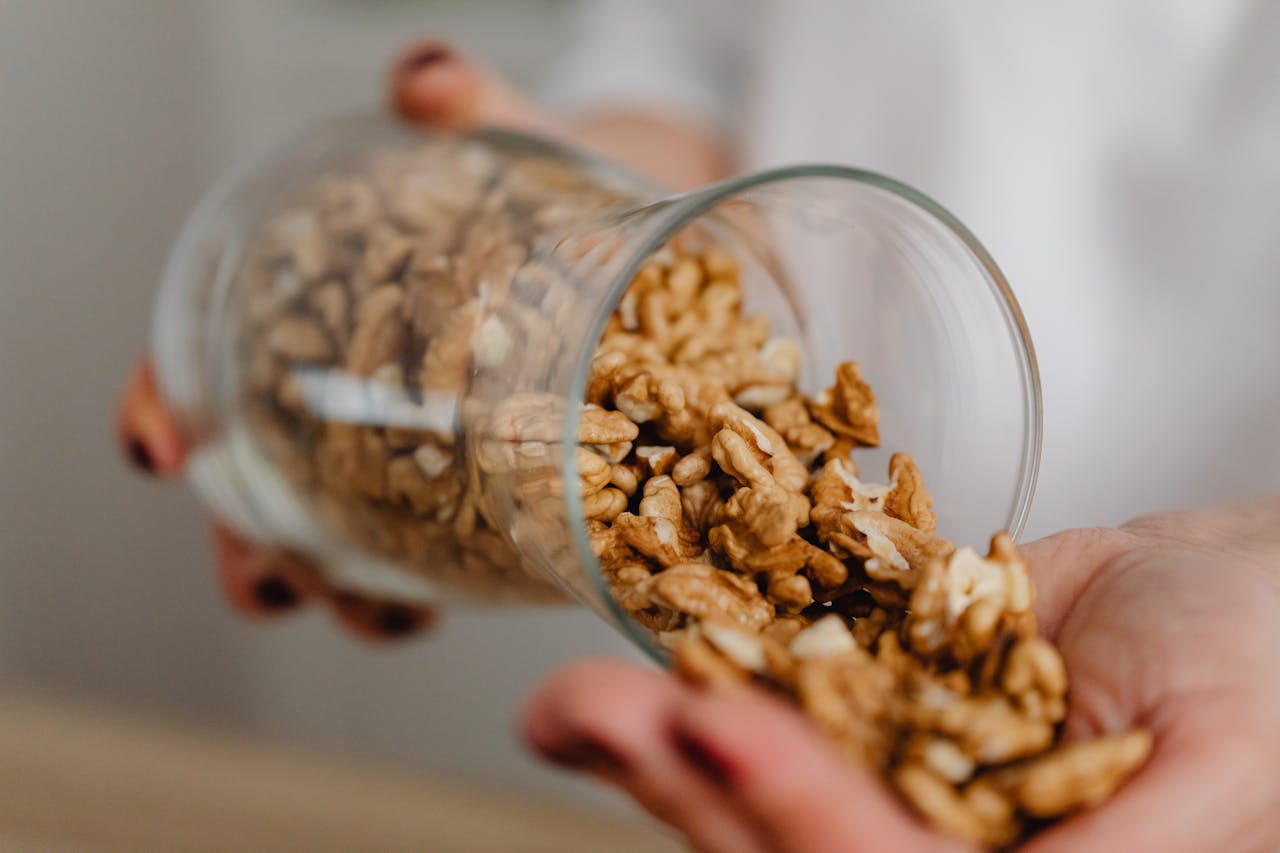
Almonds, walnuts, flaxseeds, and chia seeds are rich sources of vitamin E, fiber, and essential fatty acids. These nutrients support healthy immune responses and suppress inflammatory signals. Regular consumption of nuts and seeds can contribute to improved cardiovascular health and reduced autoimmune-related inflammation.
Maintaining a healthy gut microbiome is vital since gut health strongly influences immune function. Fermented foods like yogurt, sauerkraut, and kimchi provide beneficial probiotics that support digestive health and reduce systemic inflammation. A balanced gut flora can help decrease autoimmune symptoms and enhance nutrient absorption.
Oats, quinoa, and brown rice contain fiber and antioxidants that help reduce inflammatory markers. Unlike refined grains, whole grains stabilize blood sugar levels and support gut health, which are critical for managing immune system balance. Choosing whole grains over processed options contributes to a well-rounded, anti-inflammatory diet.
Making lasting dietary changes requires mindful planning and consistency. Start by gradually introducing these anti-inflammatory foods into your weekly meals. Experiment with new recipes that combine leafy greens, berries, nuts, and spices such as turmeric. Monitor your symptoms and energy levels to observe positive changes. Consulting with nutrition professionals can tailor these recommendations to your specific autoimmune condition and overall health goals. If you or a loved one are seeking personalized guidance on how to integrate these anti-inflammatory foods to better manage autoimmune disease symptoms, consider reaching out to Infusion Health. Our compassionate and knowledgeable staff is available to provide support and detailed information tailored to your needs. Please contact us using our CONTACT FORM, send an EMAIL, or call us directly at +1 (520) 396-4866. One of our caring team members from Infusion Health will be in touch to help guide you on your journey toward improved health and wellbeing.