30+ Years
of Medical Experience

As we get older, it’s natural to notice changes in memory, processing speed, and mental clarity. However, these shifts do not have to define our later years. Age-related cognitive decline refers to the gradual decrease in cognitive abilities that can affect memory, attention, and problem-solving skills. While some decline is expected, there are proven strategies to help preserve brain function and maintain sharpness. Understanding the underlying causes and mechanisms behind cognitive aging is the first step to adopting effective techniques to protect mental health and cognitive vitality.
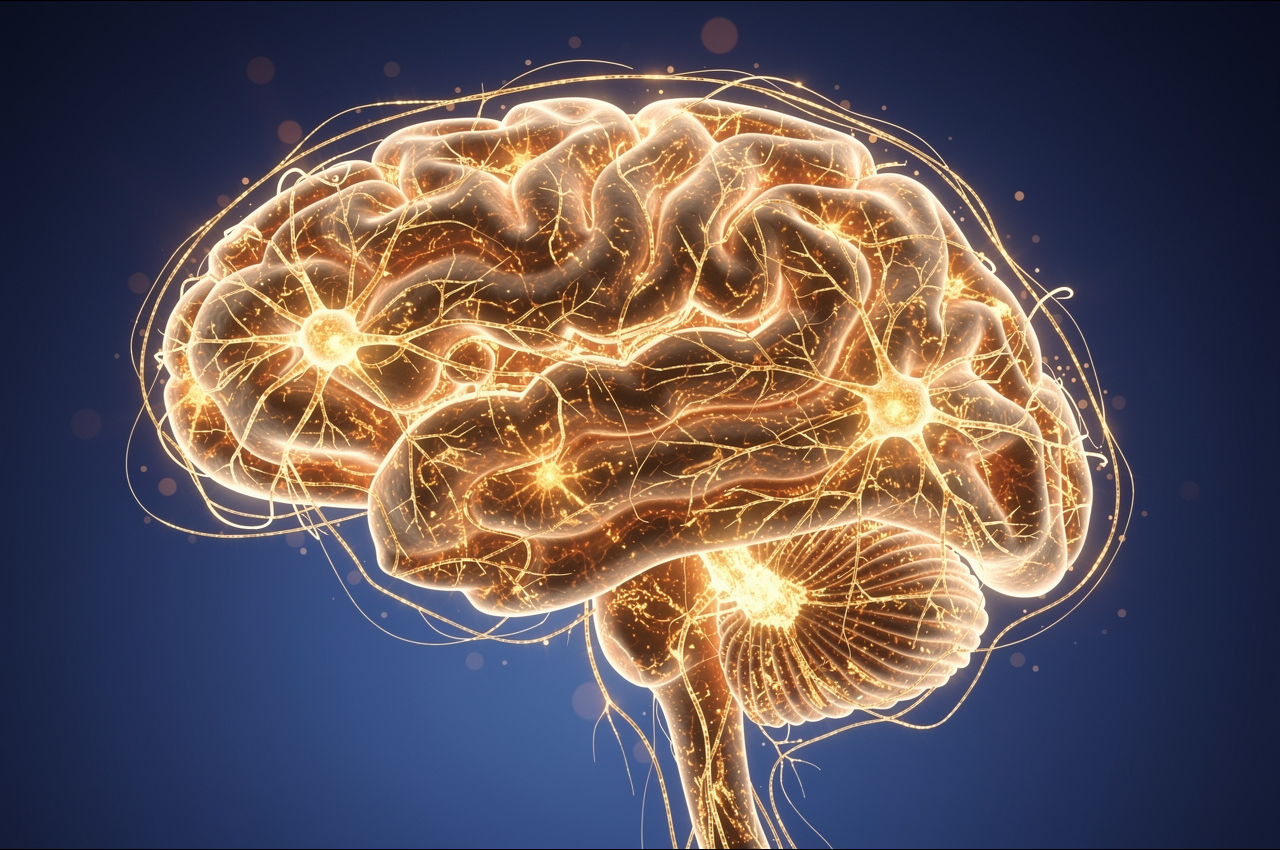
Your brain is an incredibly complex organ that controls every aspect of your daily life. Neural networks coordinate thoughts, memories, emotions, and physical actions. As time passes, factors like oxidative stress, inflammation, and reduced blood flow can impact brain cells and connections. Maintaining brain health is essential to delay cognitive decline. Scientific research continually highlights that certain lifestyle choices influence brain plasticity, resilience, and overall function across the lifespan. Focusing on areas such as nutrition, exercise, mental stimulation, and social engagement can play a critical role in supporting brain vitality.
What we eat significantly affects cognitive abilities as we age. Diets rich in antioxidants, healthy fats, vitamins, and minerals can help protect brain cells from damage and support neurotransmitter health. A nutrition plan focused on whole foods, colorful fruits and vegetables, lean proteins, and omega-3 fatty acids has shown promising results in promoting cognitive longevity.
Omega-3 fatty acids, commonly found in fatty fish such as salmon and mackerel, are essential for maintaining cell membrane integrity and reducing inflammation in the brain. Antioxidants like vitamin E, vitamin C, and flavonoids combat oxidative stress, one of the significant culprits in neural damage. B vitamins are critical for converting food into energy and for neurotransmitter synthesis, playing a direct role in memory and cognitive function. Incorporating these nutrients into your daily meals can slow the onset of cognitive decline and enhance mental clarity.
Engaging in regular physical activity is one of the most effective ways to boost brain health. Cardiovascular exercise increases blood flow, delivering vital oxygen and nutrients to neural tissue. This promotes neurogenesis, the formation of new brain cells, particularly in the hippocampus, a region critical to memory formation. Furthermore, exercise stimulates the release of growth factors that support synaptic plasticity and protect against cognitive deterioration.
Aerobic exercises such as walking, cycling, or swimming performed at moderate intensity several times a week provide extensive benefits for mental function. Strength training exercises also contribute by improving metabolic health and reducing systemic inflammation. Combining aerobic and resistance training offers comprehensive advantages by enhancing cardiovascular fitness and muscular strength, both linked to better cognitive outcomes. Consistency in physical activity is essential for long-term brain protection.
Continuous mental stimulation is crucial in maintaining cognitive reserve, the brain’s ability to compensate for age-related changes. Learning new languages, playing musical instruments, or mastering complex hobbies challenges neural networks and fosters resilience. The key lies in stepping out of routine and embracing novel, cognitively demanding activities to promote brain plasticity.
Actively engaging in puzzles, strategy games, or reading complex materials enhances executive functions such as planning, reasoning, and problem-solving. These cognitive functions tend to decline with age if not regularly exercised. By intentionally incorporating intellectually stimulating tasks into daily life, it is possible to sustain and even improve cognitive abilities well into older adulthood.
Humans are inherently social creatures, and meaningful social relationships significantly impact brain function. Regular social interactions reduce feelings of isolation and depression, which are associated with faster cognitive decline. Engaging in conversations, group activities, and community involvement keeps the brain active and improves emotional well-being.
Loneliness can accelerate mental decline, so it is vital to nurture social ties throughout life. Volunteering, joining clubs, or participating in group fitness classes are excellent ways to sustain social involvement. These connections create opportunities for shared learning, emotional support, and mental stimulation, all of which contribute to preserving cognitive health.
Chronic stress elevates cortisol levels, a hormone that, when persistently high, damages hippocampal neurons involved in memory and learning. Stress also disrupts sleep and exacerbates inflammation, both detrimental to brain function. Effectively managing stress through relaxation techniques is crucial in protecting the brain against premature aging.
Mindfulness meditation, deep breathing exercises, and yoga have been scientifically validated to reduce stress and improve attention and emotional regulation. Regular practice of these techniques can lower cortisol, improve sleep quality, and enhance overall cognitive performance. Incorporating these approaches into daily life is an accessible and natural way to support long-term brain health.
Sleep plays a critical role in memory consolidation, toxin clearance from the brain, and restoring neural function. Poor sleep patterns are linked with increased risk of cognitive decline and neurodegenerative disorders. Ensuring sufficient, high-quality sleep each night can dramatically improve mental clarity, attention, and memory retention.
Adopting a consistent sleep schedule by going to bed and waking up at the same times daily supports circadian rhythms essential for restorative sleep. Creating a relaxing pre-sleep routine, minimizing exposure to blue light from screens, and maintaining a comfortable sleep environment also contribute to better sleep quality. Avoiding stimulants like caffeine and heavy meals close to bedtime can further support restful sleep.
Certain natural supplements have gained attention for their potential cognitive benefits. Compounds such as curcumin, resveratrol, and phosphatidylserine demonstrate antioxidant and anti-inflammatory properties that might help protect neurons. Omega-3 supplements provide benefits when dietary intake is insufficient. However, it is essential to consult healthcare professionals to determine suitable supplementation tailored to individual needs.
Advances in personalized medicine and neurotherapies are offering new hope for managing age-related cognitive changes. Techniques like transcranial magnetic stimulation and cognitive training programs customized using artificial intelligence seek to enhance cognitive function in innovative ways. Staying informed about these emerging options can empower individuals to make proactive decisions about their brain health journey.
Successfully mitigating cognitive decline involves a holistic approach. Combining nutritious eating, physical exercise, mental engagement, social connection, stress management, and sound sleep forms the foundation of a brain-healthy lifestyle. Tailoring these components to personal preferences and circumstances increases sustainability and effectiveness.
Establishing achievable daily and weekly targets encourages lasting habit formation. Monitoring improvements in mood, memory, and focus helps maintain motivation. Seeking support from friends, family, or professionals can provide accountability and additional guidance. Continuous learning about cognitive health keeps individuals informed and empowered to make adjustments as needed.
Our brains deserve the same care and attention we devote to our bodies. By adopting scientifically supported practices and embracing a proactive mindset, it is entirely possible to reduce the impact of aging on cognition and enjoy a fulfilling, mentally vibrant life. For those eager to learn more or explore personalized strategies to enhance brain health, you are encouraged to reach out to the friendly staff at Infusion Health. You can connect through our CONTACT FORM, send a message via EMAIL, or speak directly by calling +1 (520) 396-4866. A knowledgeable team member from Infusion Health will be pleased to provide further information and support on your journey toward optimal cognitive wellness.