30+ Years
of Medical Experience

Your cortisol results came back, and the number sits squarely in the normal range. But was the sample taken at 8 a.m. or 8 p.m.? That question changes everything.
Cortisol is one of the most time-sensitive measurements in routine lab work. Your body makes more of it when you wake up and less as the day winds down, so the same value can look ordinary at one clock hour and quite different at another. A result without its collection time is hard to interpret.
We will walk through the daily rhythm, what morning vs evening cortisol results each answer, what else can shift a number, and the questions to bring to your next appointment. This is general information to support a conversation with your clinician, not medical advice, and nothing here is a reason to change the timing of a test your clinician has ordered.
Cortisol is a steroid hormone made by your adrenal glands, the small organs that sit above your kidneys. It helps regulate energy, blood sugar, blood pressure, and the body’s response to stress. It is not released at a steady rate all day.
It follows a diurnal rhythm, also called a circadian rhythm: a predictable daily curve. It rises sharply in the hours before waking, peaks roughly between 7 and 9 a.m., then declines to its lowest point around midnight to 3 a.m. (the evening trough).
The MedlinePlus cortisol test page describes this pattern in plain language, and a peer-reviewed review lays out the same physiology in detail (Cuesta and colleagues).
Think of it as your body’s built-in alarm clock. It rises to prepare you for wakefulness, then falls so rest can happen. Because the curve is so steep, a value of 10 mcg/dL can be perfectly expected at 8 a.m. and look quite different at 8 p.m. “Normal” is a time-anchored word.
A single cortisol number without its collection time is like knowing your latitude without your longitude. It tells you part of the story and leaves the rest guessable.
The BMJ is blunter about it: “random untimed cortisol levels are of limited clinical value” (Investigating cortisol excess or deficiency). A lone value may help a clinician screen for extremes, but it cannot, on its own, confirm that your daily rhythm is functioning normally.
That is why the collection time is essential metadata, not a footnote. When your result arrives, the timestamp on it is doing real interpretive work: it tells your clinician which reference range applies and where on the curve your sample was taken.
The time your clinician selected for your draw is not arbitrary. Each clock time answers a different clinical question.
Early morning sampling, typically 8 to 9 a.m., is the standard convention when the question is whether cortisol production is adequate, because healthy levels are highest then and a shortfall shows clearly. Clinical guidance such as the NICE Clinical Knowledge Summary on suspected adrenal insufficiency writes this timing in. Late-night sampling answers the opposite question: by evening, cortisol should be at its lowest, so a late sample asks whether that decline happened as expected.
In other words, the ordering clinician picked a moment on the curve that targets a specific question. Your job is not to second-guess that timing but to understand it, and the checklist at the end shows you how.
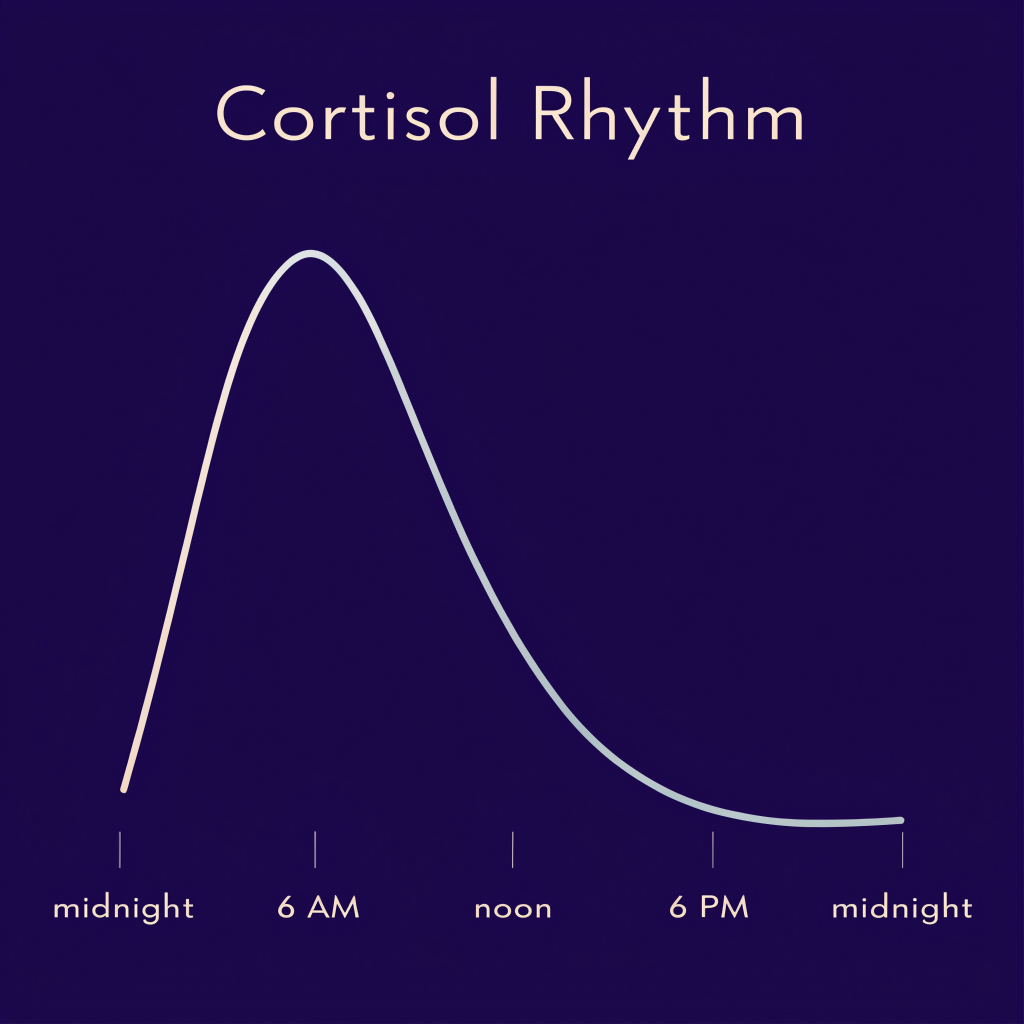
Here is the practical core of the morning vs evening cortisol question: reference ranges are matched to collection time. A laboratory does not publish one universal “normal cortisol” number, because no such number exists across a 24-hour day. It publishes ranges for specific windows, and the right one matches the clock time printed on your result.
The 6 to 10 a.m. blood draw is the most common cortisol collection, catching the natural morning peak. Published ranges vary by laboratory, assay method, and population: they are population-derived and lab-specific.
For context, the Cleveland Clinic lists 10 to 20 mcg/dL at 6 to 8 a.m., Labcorp publishes 6.2 to 19.4 mcg/dL for morning collection, and MedlinePlus lists 5 to 25 mcg/dL at 8 a.m. Three reputable sources, three different windows, same morning physiology.
| Collection Time | Typical Blood Range (varies by lab) | What It Reflects |
|---|---|---|
| 6 to 10 a.m. | 6.0 to 20.0 mcg/dL | Morning peak and the awakening period |
| 4 to 8 p.m. | 2.7 to 10.5 mcg/dL | Natural decline through the day |
When your clinician reviews a morning value, they look at where it falls in that morning window: a value toward the low end of a time-matched range raises one set of questions, a value above it raises another. This is a clinical reading, made with your full picture in mind. A number does not resolve it on its own, and it is not a self-check.
By late afternoon and evening, a healthy curve has dropped considerably. Cleveland Clinic lists 3 to 10 mcg/dL at 4 p.m., and the University of Chicago Medicine laboratory catalog gives 2.7 to 10.5 mcg/dL for the 4 to 8 p.m. window. A value that reads as unremarkable at 8 a.m. could sit above an evening range, and a value that looks low against a morning range may be exactly what the evening curve predicts.
Late-night samples, often collected around 11 p.m. to midnight, are frequently saliva-based and reflect free cortisol, the fraction not bound to proteins in the blood. At that hour, cortisol should be at its lowest. A late-night sample therefore asks a specific question: has the day’s decline actually happened?
The same number tells a different story depending on when it was collected, which is why timing is recorded with the result.
There is one more moment worth knowing: the cortisol awakening response, a natural surge in the 30 to 60 minutes after waking. Because the rise is fast, protocols that measure it specify collection windows within that first hour, and a sample taken slightly earlier or later can look different.
This is context, not instruction: it explains the precise timing language on a collection instruction and why your clinician asks when exactly you woke. If your clinician has given you a collection instruction, follow it as written.
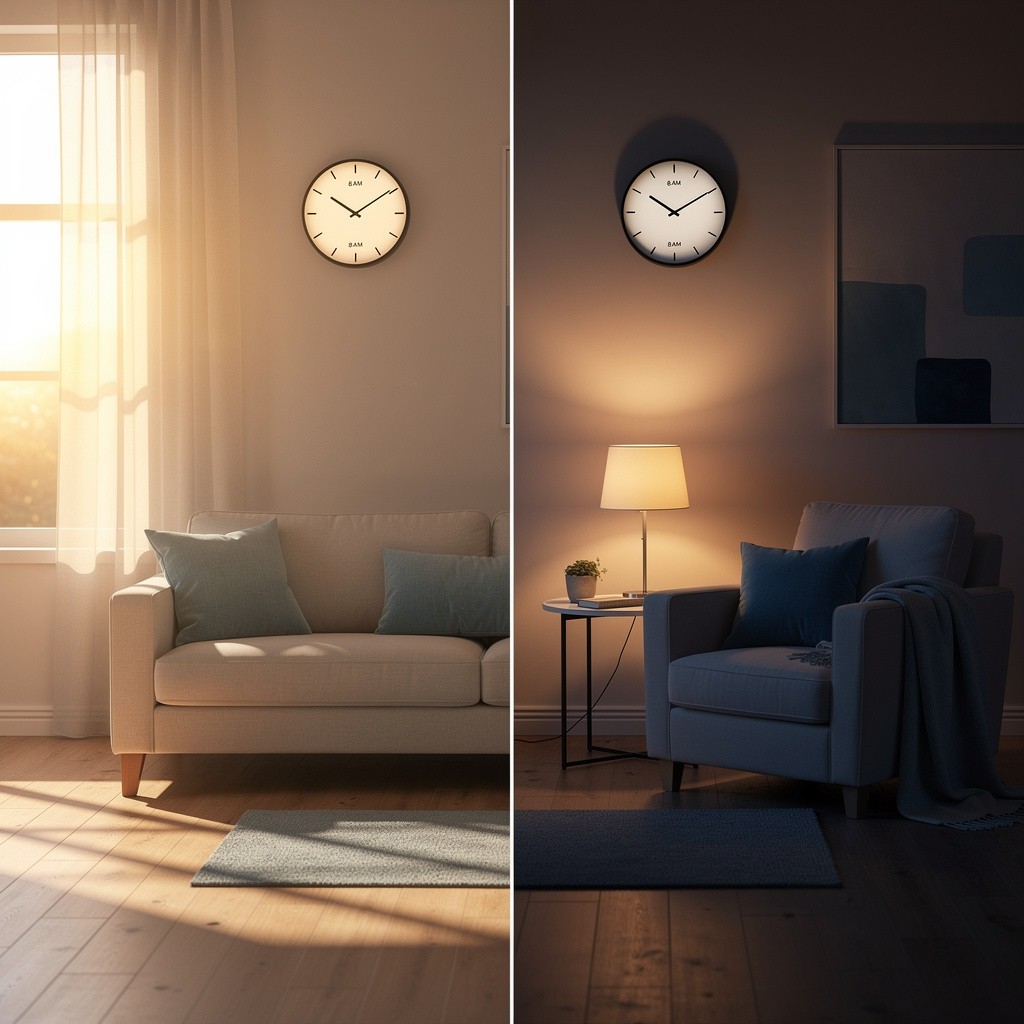
Timing is the headline, but a few other pre-analytical details shape what a cortisol result can tell you. Here is the honest version, without selling you anything.
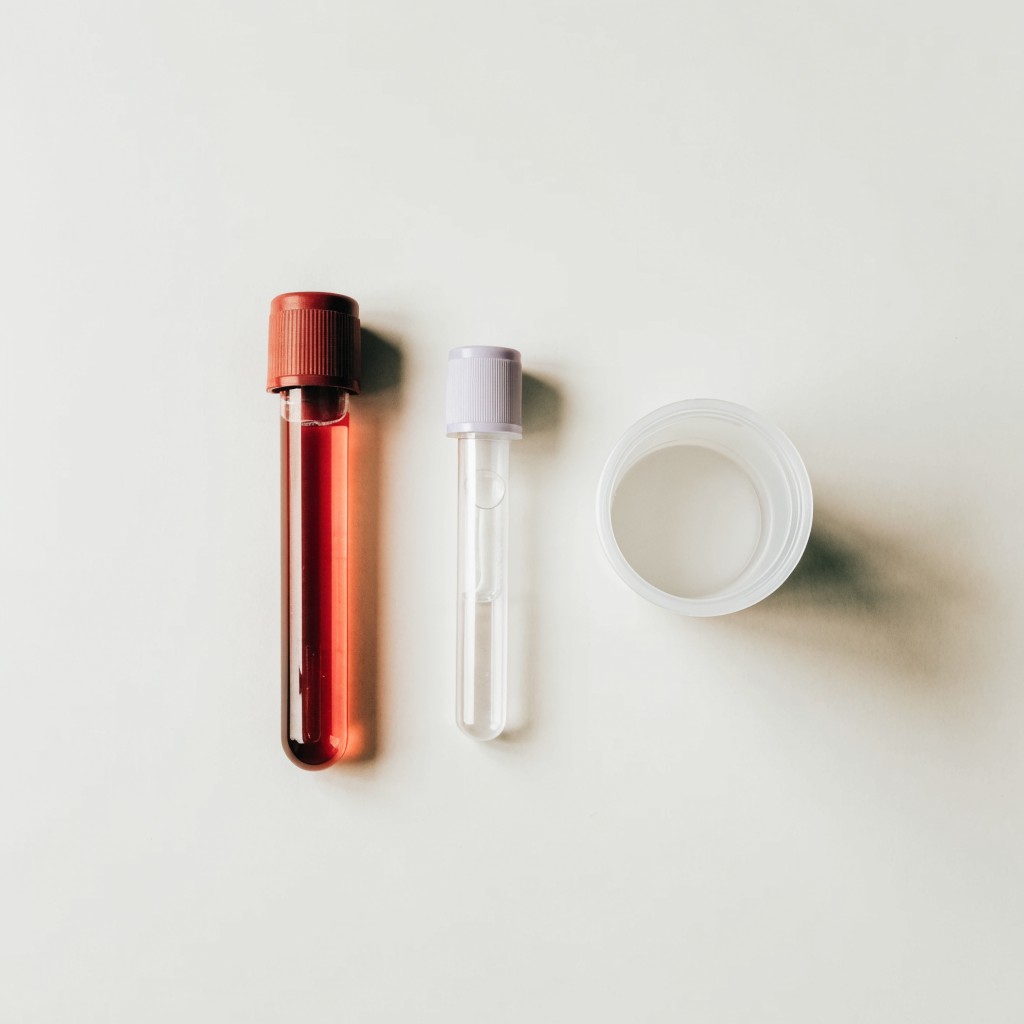
Each sample type captures a different slice of the same rhythm and carries its own timing requirements. Blood is typically drawn at a specific clock time and reports total cortisol in circulation. Saliva measures free cortisol and is well suited to late-night or repeated time points, since a small tube can be collected outside the clinic.
A 24-hour urine collection gathers everything your body exported across a full day, trading the clock-time question for total daily output.
For a fuller look at what each test type measures, see our guide to advanced hormone testing for chronic fatigue relief.
None of these is better than the others in the abstract. They answer different questions, which is why sample type and collection time travel together on the order. For preparation details, see our functional lab test prep guide; our specialized lab testing page lists the collection formats.
Cortisol is responsive to the day you are having. Beyond collection time, a handful of factors can transiently move a value (Medscape’s serum cortisol overview covers the main ones):
The right move is to mention these to your clinician so they can factor them into the reading. The wrong move is self-correcting: never skip, delay, or adjust a test your clinician has ordered because of one item on this list. Context belongs in the conversation, not a decision you make alone.
You may eventually encounter two different kinds of range language. A laboratory reference range is built from population data by the lab that runs the assay, and it is matched to the collection time and method used. It flags values outside what is statistically typical for that window.
A published review of pitfalls in diagnosing cortisol excess walks through how much collection timing and assay differences can move a result.
You may also see the word “optimal” used to describe a narrower target inside the lab range. That framing appears in some functional and wellness contexts, and it is a different concept from a laboratory reference range.
Neither type of range proves or disproves anything on its own. Your clinician knows which range applies to your situation and how it fits your symptoms, and that interpretation, not the label, carries the meaning.
Cortisol naturally varies from day to day, even in people with no health concerns at all. One measurement is a snapshot of one day, at one time, under one set of conditions.
That is why repeating a test before reaching any conclusion is ordinary clinical practice rather than a sign that something went wrong the first time (BMJ clinical review). Repeat confirmation does not guarantee a definitive answer, and a clinician may still need your symptoms, history, and other tests to complete the picture.
Everything so far exists to make one thing easier: an informed conversation at your next appointment. This section is about questions, not self-management. If booking time with your clinician is the practical hurdle, our telemedicine consultation page explains how remote visits work.
Treat these as conversation starters, not demands: fair to raise before a test is ordered or when a result comes back.
| Question to Ask | Why It Matters |
|---|---|
| Was the collection time recorded with my result? | Timing is essential context for reading any cortisol value |
| Does the reference range match the time my sample was collected? | Ranges match collection windows, so the right one depends on the clock time |
| Was anything else going on that day: illness, poor sleep, a stressful week? | Collection conditions can transiently affect the number |
| Should this be repeated to confirm the reading? | Day-to-day variation is normal and repeat confirmation is standard practice |
| How do my symptoms fit alongside these results? | Lab values are one piece of the clinical picture |
Still working out why a test was ordered? Our piece on the link between adrenal dysfunction and chronic fatigue gives background, and the adrenal dysfunction library collects our related articles in one place.
One short, matter-of-fact flag: severe weakness, dizziness or fainting when standing, abdominal pain with vomiting or fever, or sudden darkening of the skin can be signs of adrenal insufficiency or adrenal crisis. If those show up, seek urgent medical care now. The NICE guidance on suspected adrenal insufficiency lists these as red-flag presentations.
This is separate from the routine interpretation questions above; it belongs with urgent care, not a blog post.
Special situations deserve their own conversation. If you are pregnant, trying to conceive, supporting a child through testing, living with a chronic condition, or taking hormone or steroid medication, timing and interpretation have extra considerations only your clinician can weigh for your case. Bring your questions to them directly.

If you remember nothing else, let it be these points:
A cortisol result is not a verdict, it is a snapshot with a timestamp, and you know what that timestamp does. Walk into your next appointment knowing why the clock time was chosen, which range matches it, and what else was happening that day. That preparation turns a confusing page of numbers into a conversation you can have, and an informed conversation is where good care starts.