30+ Years
of Medical Experience

If you have ever struggled with persistent fatigue, unexplained weight fluctuations, frustrating brain fog, or mood swings that seem to come out of nowhere, you may have written these symptoms off as stress, poor sleep, or just a natural part of getting older. For millions of people worldwide, however, these subtle (and sometimes not so subtle) signs are actually the result of an underperforming thyroid gland, a small butterfly-shaped organ in your neck that regulates nearly every system in your body. The good news is that what you put on your plate every day can have a profound impact on how well your thyroid functions, with the right dietary choices reducing inflammation, supporting hormone production, and minimizing discomfort associated with common thyroid conditions like hypothyroidism and hyperthyroidism. Whether you have been diagnosed with a thyroid disorder, are managing a condition like Hashimoto’s thyroiditis, or simply want to keep your thyroid working at its best as you age, understanding which foods to prioritize and which to limit can make a world of difference in your overall wellness.
The thyroid gland produces two key hormones, T3 (triiodothyronine) and T4 (thyroxine), that act as the body’s metabolic master regulators, controlling everything from heart rate and body temperature to energy levels, brain function, skin health, and weight management. When the thyroid is underactive and produces too few of these hormones, a condition called hypothyroidism occurs, leading to symptoms like chronic fatigue, weight gain, dry skin, hair loss, and depression. When the thyroid is overactive and produces too many hormones, hyperthyroidism develops, causing rapid weight loss, anxiety, heart palpitations, and insomnia. Unlike genetic predispositions or unavoidable environmental exposures like radiation or certain medications, your daily food choices are entirely within your control, making dietary adjustments a low-risk, high-reward strategy for supporting thyroid health. The nutrients you consume (or lack) directly impact the thyroid’s ability to synthesize hormones, convert them to their active usable forms, and protect itself from oxidative damage caused by the hormone production process.
Iodine is one of the most critical building blocks of T3 and T4 hormones, and the human body cannot produce this mineral on its own, so it must be obtained entirely through diet or supplements. When iodine intake is consistently too low, the thyroid cannot produce enough hormones to meet the body’s needs, leading to hypothyroidism and in severe cases, a painful, swollen thyroid gland called a goiter. For much of the early 20th century, iodine deficiency was the leading cause of thyroid disorders in the United States, until the introduction of iodized table salt in the 1920s drastically reduced rates of deficiency across the country. Today, however, mild iodine deficiency is becoming more common again, driven by reduced use of table salt in home cooking, the rise of processed foods that use non-iodized salt, and the growing popularity of low-sodium and vegan diets that avoid iodized salt and animal products, which are common sources of iodine. It is important to strike a balance with iodine intake, as too much iodine can also be harmful, especially for people with autoimmune thyroid conditions, so moderation is always key. Iodine-rich foods include iodized salt, seaweed, fatty fish like salmon and tuna, dairy products, and eggs, all of which can be easily added to a regular meal plan.
Selenium is a trace mineral that plays a starring role in supporting optimal thyroid function, acting as a powerful antioxidant that protects the thyroid gland from oxidative stress caused by the hormone production process. It also helps the body convert the inactive T4 hormone into the active T3 form that your cells can actually use to regulate metabolism and other bodily functions. Without adequate selenium, this conversion process is slowed, leading to symptoms of hypothyroidism even if your thyroid is producing normal levels of T4. Selenium also supports a balanced immune response, which is especially important for people with autoimmune thyroid conditions like Hashimoto’s thyroiditis, where the immune system mistakenly attacks healthy thyroid tissue, leading to chronic inflammation and eventual decline in thyroid function. Multiple studies have shown that people with Hashimoto’s often have lower levels of selenium, and supplementing with selenium has been shown to reduce thyroid antibody levels and improve symptoms like fatigue and brain fog in many cases.
Adding selenium-rich foods to your diet is simple and delicious, with many common foods providing more than enough of this critical mineral for daily needs. Some of the best food sources of selenium include Brazil nuts, sardines, wild-caught salmon, eggs, sunflower seeds, brown rice, and chicken. Just one to two Brazil nuts per day provides the full recommended daily intake of selenium for most adults, so it is important not to overconsume them, as excess selenium can cause adverse side effects like hair loss, digestive upset, and even nerve damage in severe cases. For people who do not like Brazil nuts, a 3-ounce serving of sardines or tuna provides about 80% of the daily recommended selenium intake, making them an easy, shelf-stable addition to lunches or snacks. Eggs are another versatile option, with one large egg providing roughly 15% of your daily selenium needs, plus a boost of iodine and high-quality protein to keep you full and support overall health. Other easy ways to add selenium to your meals include sprinkling sunflower seeds on salads or oatmeal, and swapping white rice for brown rice in your favorite stir-fry and side dish recipes.
Now that you understand the key nutrients that support thyroid function, it is time to dive into the specific foods you can add to your diet to keep your thyroid running smoothly. The best thyroid-friendly diet is built on whole, unprocessed foods that are rich in vitamins, minerals, antioxidants, and fiber, while limiting foods that contain high levels of goitrogens, added sugars, and unhealthy fats that can disrupt hormone balance. Prioritizing these foods not only supports your thyroid but also improves your overall health, boosting your energy, supporting healthy weight management, and reducing your risk of chronic conditions like heart disease and diabetes. The goal is not to follow a restrictive, short-term diet, but to build sustainable, long-term eating habits that support your thyroid and overall wellness for years to come.
Whole grains are often mistakenly avoided by people with thyroid issues, but they are an important source of B vitamins, fiber, and trace minerals that support overall health, including thyroid function. The key is to choose whole, unrefined grains instead of processed grains like white bread, white pasta, and pastries, which are high in added sugars and empty calories that can increase systemic inflammation and worsen thyroid symptoms. Good whole grain options for a thyroid-friendly diet include quinoa, oats, brown rice, millet, and sorghum. These grains are naturally gluten-free, which is an added benefit for people with gluten sensitivity or celiac disease, as gluten can trigger inflammatory responses that worsen autoimmune thyroid conditions in many people. It is important to note that some whole grains, like oats, can be cross-contaminated with gluten during processing, so if you have a sensitivity, look for certified gluten-free options to avoid adverse reactions. Additionally, avoid taking calcium or iron supplements at the same time as your thyroid medication, as these minerals can interfere with the absorption of synthetic thyroid hormones like levothyroxine. If you do take these supplements, take them at least 4 hours apart from your medication for optimal absorption and effectiveness.
Protein is a critical macronutrient for thyroid health, as it provides the building blocks needed for hormone production and helps repair damaged tissue in the thyroid gland. Lean, high-quality proteins are also highly filling, which can help with weight management, a common challenge for people with hypothyroidism who struggle with a slowed metabolism. Some of the best protein options for a thyroid-friendly diet include wild-caught fish like salmon, sardines, and mackerel, which are also rich in iodine and omega-3 fatty acids that reduce inflammation and support brain and heart health. Poultry like chicken and turkey, grass-fed beef, and eggs are also excellent choices, as they provide both complete protein and key thyroid-supporting nutrients like selenium and iodine. For people who follow a plant-based diet, there are still plenty of high-quality protein options that support thyroid health, as long as you choose wisely to avoid goitrogenic plant proteins that can interfere with hormone production.
If you follow a vegetarian or vegan diet, you may be concerned about getting enough thyroid-supporting nutrients, but with a little planning, it is easy to meet your needs without compromising your dietary preferences. Fermented soy products like tempeh, miso, and natto are excellent plant-based protein options, as the fermentation process reduces the levels of goitrogens found in unprocessed soy, making them safe for most people with thyroid issues in moderation. Legumes like lentils, chickpeas, and black beans are also great sources of protein and fiber, and when cooked properly, they have minimal levels of goitrogens that are unlikely to cause issues for most people. Other plant-based protein options that support thyroid health include chia seeds, hemp seeds, pumpkin seeds, and quinoa, which is a complete protein that also provides fiber, iron, and B vitamins. If you follow a strict vegan diet, you may need to supplement with iodine and selenium, as these minerals are more commonly found in animal products, so talk to your healthcare provider about testing your levels and determining if supplementation is right for your individual needs.
Just as important as adding thyroid-supporting foods to your diet is limiting or avoiding foods that can interfere with thyroid function, especially if you have been diagnosed with a thyroid condition. Many common foods contain compounds called goitrogens, which can block the uptake of iodine and interfere with the production of thyroid hormones, leading to worsened symptoms of hypothyroidism and increased thyroid antibody levels in people with autoimmune thyroid disease. While some goitrogenic foods are highly nutritious and safe to eat in moderation for people with normal thyroid function, consuming them in large amounts or in their raw form can cause significant issues for people with existing thyroid dysfunction. Understanding which foods to limit can help you avoid unnecessary inflammation and hormone disruption.
Soy is one of the most common sources of goitrogens in the modern diet, and while small amounts of fermented soy are generally safe for most people, highly processed soy products can be very problematic for thyroid health. Unfermented soy products like soy milk, soy protein isolate, tofu, edamame, and soy-based meat alternatives contain high levels of isoflavones, a type of phytoestrogen that can interfere with iodine uptake and disrupt thyroid hormone production by binding to thyroid receptors and blocking the action of natural thyroid hormones. Multiple studies have shown that people who consume large amounts of processed soy regularly have higher rates of hypothyroidism and higher levels of thyroid antibodies, especially if they already have an existing thyroid condition. For people with Hashimoto’s thyroiditis, it is best to avoid unfermented soy products entirely, and limit fermented soy to small amounts, like 1 to 2 servings of tempeh per week. If you do choose to eat soy, opt for organic, non-GMO options whenever possible, as genetically modified soy is often treated with high levels of pesticides that can further disrupt endocrine function and increase inflammation.
Cruciferous vegetables like broccoli, kale, cauliflower, Brussels sprouts, cabbage, and collard greens are packed with nutrients like vitamin C, fiber, and antioxidants, so they are often touted as superfoods for overall health. However, these vegetables also contain goitrogens, specifically compounds called thiocyanates, which can interfere with iodine uptake and thyroid hormone production when consumed in very large amounts, especially in their raw form. The good news is that cooking cruciferous vegetables deactivates most of these goitrogenic compounds, so eating them cooked in moderation is safe for most people with thyroid issues, even those with hypothyroidism. For people with normal thyroid function, eating raw cruciferous vegetables in normal serving sizes, like a cup of raw kale in a smoothie, is generally not a cause for concern, but if you have been diagnosed with hypothyroidism or Hashimoto’s, it is best to steam, roast, or sauté your cruciferous vegetables instead of eating them raw, and limit your intake to 1 to 2 servings per day. Other foods that contain moderate levels of goitrogens include strawberries, peanuts, and peaches, so these should also be consumed in moderation if you have a thyroid condition to avoid potential disruption to hormone production.
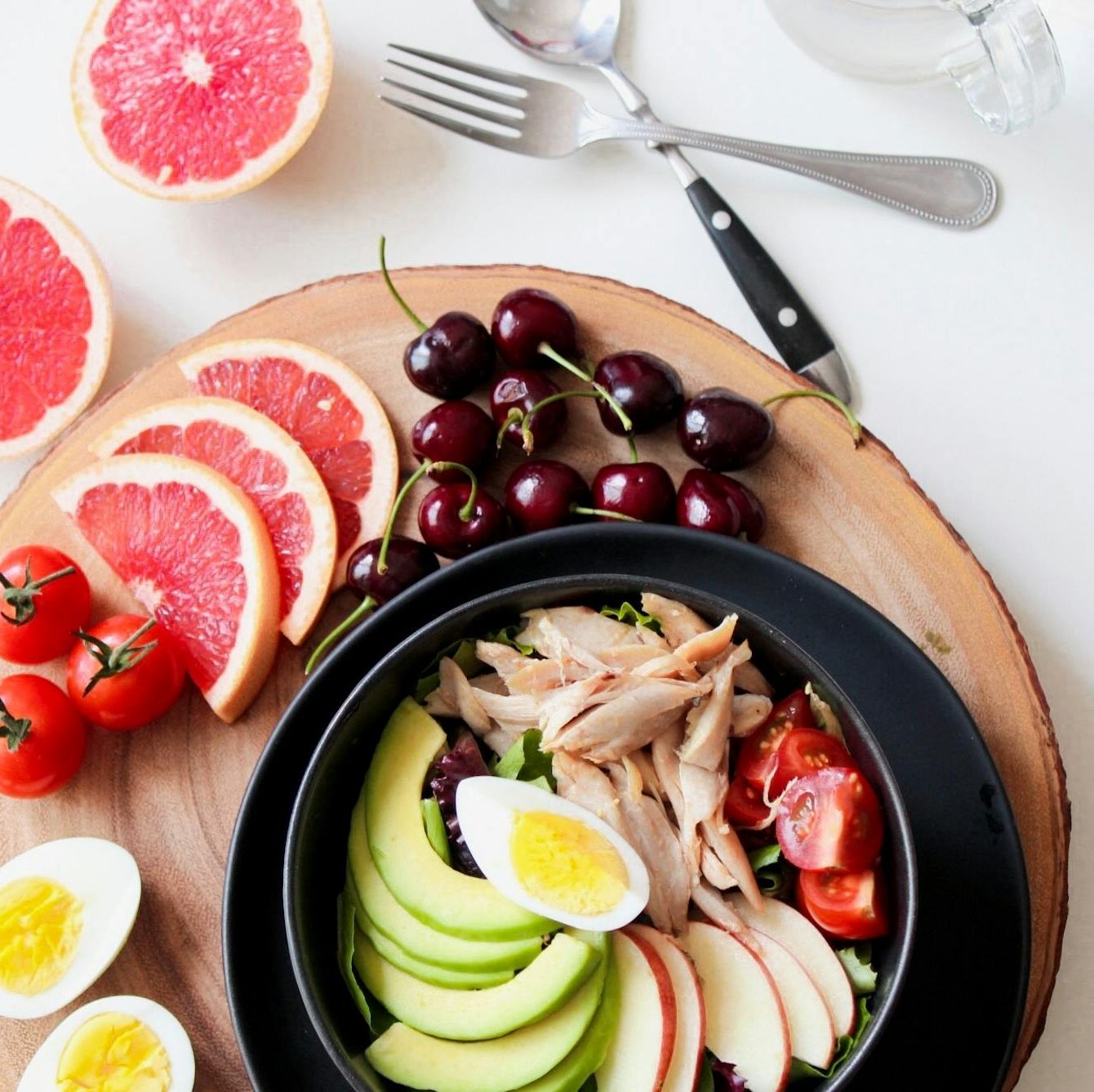
Building a thyroid-friendly diet does not have to be complicated or restrictive, but having a plan in place can help you stay consistent and avoid reaching for processed, goitrogen-heavy convenience foods when you are short on time. The key to long-term success is to focus on adding nutrient-dense foods to your diet rather than strictly cutting out foods, which can lead to feelings of deprivation and make it harder to stick to your plan long-term. Start by planning your meals around thyroid-supporting proteins, whole grains, and cooked vegetables, and add small amounts of healthy fats like avocado, olive oil, and nuts to keep you full and support hormone production. Aim to eat a balance of protein, fiber, and healthy fats at every meal to keep your blood sugar stable, as blood sugar fluctuations can increase inflammation and worsen thyroid symptoms. Preparing meals at home as often as possible will also help you control the ingredients in your food, avoiding hidden additives, excess sodium, and processed soy that are common in restaurant and takeout meals.
Meal prepping is one of the easiest ways to ensure you always have thyroid-friendly options on hand, even on your busiest days. Start by setting aside an hour or two on the weekend to batch cook staples like quinoa, brown rice, and roasted vegetables like sweet potatoes, carrots, and cooked broccoli. Hard boil a dozen eggs for quick snacks or breakfast options, and portion out servings of canned sardines or wild-caught salmon for easy, nutrient-dense lunches. Make a large batch of lentil soup or chicken and vegetable stew that you can reheat throughout the week for quick, comforting dinners that are free of processed ingredients. Pre-portion 1 to 2 Brazil nuts into small containers for a daily selenium boost, and keep pre-washed greens like spinach and kale on hand for quick salads or side dishes, just remember to cook them if you have a thyroid condition to deactivate goitrogens. By prepping these staples ahead of time, you will be less likely to order takeout or grab processed snacks that are high in unhealthy fats, added sugars, and goitrogens that can disrupt thyroid function. You can also use weekends to try new thyroid-friendly recipes, like baked salmon with roasted Brussels sprouts, or quinoa bowls with roasted vegetables and tahini dressing, to keep your meal plan interesting and enjoyable.
While general dietary guidelines for thyroid health are a great starting point, everyone’s thyroid function is unique, and what works for one person may not work for another. Factors like the specific type of thyroid condition you have, your individual nutrient levels, food sensitivities, and overall health status can all impact which dietary choices are best for you. For example, people with Hashimoto’s thyroiditis, the most common cause of hypothyroidism in the United States, often benefit from a gluten-free diet, as gluten can trigger autoimmune responses that worsen thyroid inflammation in up to 80% of people with the condition. On the other hand, people with hyperthyroidism may need to limit their iodine intake, as excess iodine can worsen symptoms of overactive thyroid and increase the risk of thyroid storm, a life-threatening complication of hyperthyroidism. If you have been diagnosed with a thyroid condition, or are experiencing persistent symptoms of thyroid dysfunction like fatigue, weight changes, or brain fog that do not improve with lifestyle changes, it is a good idea to work with a healthcare provider or registered dietitian who specializes in thyroid health. They can order tests to check your nutrient levels, including iodine, selenium, vitamin D, iron, and B vitamins, and help you create a personalized meal plan that meets your unique needs. They can also help you navigate confusing, often conflicting information about thyroid diets online, and ensure that you are not unnecessarily cutting out nutritious foods that are actually safe for your condition.
Making small, consistent changes to your diet can have a huge impact on your thyroid health and overall wellness, with many people seeing a reduction in symptoms like fatigue, brain fog, and weight fluctuations within just a few weeks of adjusting their food choices. Remember that you do not have to make drastic changes overnight, start by adding one or two thyroid-supporting foods to your meals each week, and gradually cut back on processed soy and raw cruciferous vegetables if you have a thyroid condition. If you are interested in learning more about how to tailor your diet to support your thyroid, or want to get tested for nutrient deficiencies that may be impacting your hormone levels, the friendly staff at Infusion Health is here to help. You can reach out to our team by filling out our CONTACT FORM, sending an EMAIL to info@infusionhealth.org, or calling +1 (520) 396-4866. A member of our staff will be in contact with you shortly to provide more information and help you create a plan that works for your unique health needs.